US Urges Thailand and Cambodia to End Border Clashes
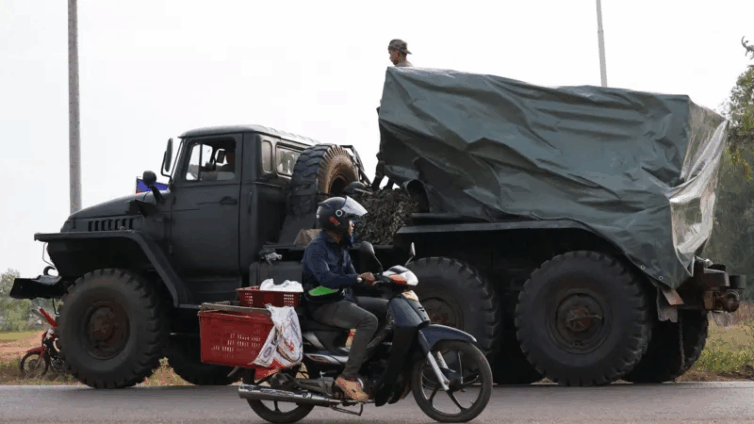
The United States has called for an immediate end to hostilities between Thailand and Cambodia, as clashes along their border entered a third day, resulting in at least ten confirmed fatalities and the displacement of hundreds of thousands of people.
Secretary of State Marco Rubio stated that both nations must adhere to de-escalatory measures previously outlined in a peace accord brokered by former US President Donald Trump in October. Trump himself indicated he would “make a phone call” to attempt to halt the fighting, which represents the most significant escalation since deadly clashes in July.
Both Thailand and Cambodia have accused each other of initiating the renewed conflict, which has involved air strikes and artillery exchanges. Thailand’s Defence Ministry, in a statement on Wednesday, maintained that its military actions were “limited in scope and employed as a last option.”
“Peace must come with the safety and security of our citizens, full stop,” the ministry’s spokesman said.
Cambodia, however, has strongly condemned Thailand, alleging the launch of “aggressive military attacks” targeting civilian infrastructure and “sacred cultural sites,” including historic temples situated in the disputed border region.
Adding to the tensions, Cambodia announced its withdrawal from the South East Asian Games, currently being hosted in Thailand. The Cambodian National Olympic Committee explained the decision stemmed from “serious concerns and requests” voiced by the families of its athletes, adding that it was “not made lightly.”
United Nations Secretary-General António Guterres has also weighed in, urging both sides to “exercise restraint and avoid further escalation.” He highlighted the devastating consequences of the dispute, including “significant civilian casualties, damage to civilian infrastructure, and displacement on both sides.”
The current escalation began on July 24th with a Cambodian rocket barrage into Thailand, swiftly followed by retaliatory Thai air strikes. This triggered five days of intense fighting, resulting in numerous deaths among both soldiers and civilians. A ceasefire was initially agreed upon later in July, facilitated by Malaysian Prime Minister Anwar Ibrahim and Trump, who had threatened to halt tariff negotiations if the violence continued.
While Trump claimed a historic achievement in ending the border conflict with the October ceasefire agreement, tensions have remained high. This week’s violence has spread to at least six provinces in north-eastern Thailand and five provinces in Cambodia’s north and north-west.
The dispute over the 800km land border between Thailand and Cambodia dates back over a century, originating from the demarcation of boundaries following the French occupation of Cambodia. Several countries, including the UK, US, and Japan, have issued travel warnings for the border areas due to the renewed fighting.
Image Source: MYJOYONLINE