UK Government Eases Inheritance Tax on Family Farms
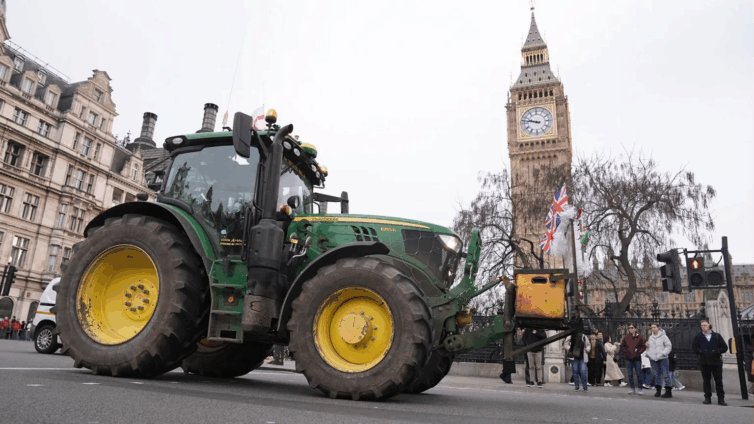
The UK government has significantly softened its proposed tax on inherited farmland, raising the threshold for the levy from £1 million to £2.5 million. This U-turn comes after sustained protests from farmers and growing unease within the Labour party.
Originally announced in last year’s Budget, the plan aimed to impose a 20% tax on agricultural assets exceeding £1 million inherited from April 2026, effectively ending the 100% tax relief enjoyed by farmers since the 1980s. The move was intended to curb tax avoidance by wealthy investors and protect smaller farms.
However, Environment Secretary Emma Reynolds announced the change after Parliament adjourned for the Christmas break. “We have listened closely to farmers across the country, and we are making changes today to protect more ordinary family farms,” she stated. “It’s only right that larger estates contribute more, while we back the farms and trading businesses that are the backbone of Britain’s rural communities.”
The National Farmers’ Union has welcomed the revised proposal. “It takes out many family farms from the eye of a pernicious storm,” said Tom Bradshaw, Head of the NFU, in an interview with BBC Radio 5 Live.
While acknowledging the government’s responsiveness, Gavin Lane, president of the Country Land and Business Association, cautioned that the issue isn’t fully resolved. “The government deserves credit for recognising the flaws in the original policy and changing course,” he said. “However, this announcement only limits the damage – it doesn’t eradicate it entirely. Many family businesses will own enough expensive machinery and land to be valued above the threshold, yet still operate on such narrow profit margins that this tax burden remains unaffordable.”
Farmers like Ben Ardern, a third-generation beef and dairy farmer from Buxton, Derbyshire, who has been at the forefront of the protests, see it as a step forward. “It’s a step in the right direction,” Ardern told the BBC. “The government should drop it for family farms… and just tax the people who have got the money to tax. The big corporations that have just buried money into land – they’re not farmers, they have just done it to avoid tax. Farmers haven’t bought land to avoid tax, we’ve bought land to farm it and grow food.”
The initial proposal sparked 14 months of protests outside Parliament, and even led to internal dissent within the Labour party. Markus Campbell-Savours, a Labour MP, voted against the plan and was subsequently suspended, becoming an independent MP. John Whitby, a Labour MP from the Rural Research Group, described the climbdown as “fantastic news.”
However, some within Labour are critical of the timing. A source within the party described the announcement as “bizarre,” adding, “they were made to vote for it so recently.”
Conservative leader Kemi Badenoch signaled the fight isn’t over, stating on social media: “This fight isn’t finished. Other family businesses are still affected by Labour’s tax raid, and we will keep pushing until the tax is lifted from them too.”
Liberal Democrat spokesperson Tim Farron MP demanded a full reversal of the tax, saying: “It is utterly inexcusable that family farmers have been put through over a year of uncertainty and anguish since the government first announced these changes. We demand that the government scrap this unfair tax in full, and if they refuse to, Liberal Democrats will submit amendments in the new year to bring it down.”
Reform UK deputy leader Richard Tice criticized the change as insufficient. “This cynical climbdown – whilst better than nothing – does little to address the year of anxiety that farmers have faced in planning to protect their livelihoods… with British agriculture hanging by a thread, the government must go further and abolish this callous farms tax.”
Under the revised plan, a couple can now pass on up to £5 million in qualifying assets tax-free, leveraging the spousal exemption. Assets exceeding the £2.5 million threshold will be subject to a 50% relief. The government estimates that approximately 1,100 estates will pay more inheritance tax in 2026/27 under the new rules, down from an initial projection of 2,000.
A Treasury source confirmed that the threshold change will cost the government £130 million, but emphasized that “the principle of reforming the tax system remains. It’s right that the wealthiest estates pay their fair share, but smaller farms will get help.” This climbdown represents the latest in a series of policy reversals since the government’s election in July 2024, including adjustments to winter fuel payments and welfare cuts.
Image Source: MYJOYONLINE
New Posts



Advertisement
Trending