Trump Announces $12 Billion Farm Aid Package
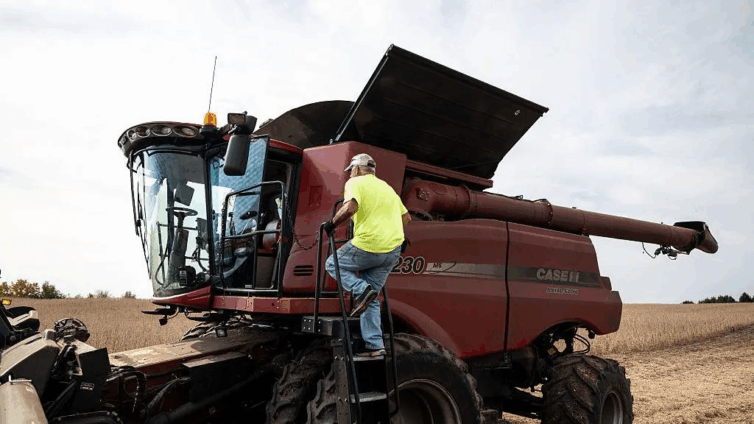
US President Donald Trump is set to unveil a twelve‑billion‑dollar farm aid package at the White House on Thursday, aiming to support American farmers hurt by low crop prices and ongoing trade disputes.
The plan allocates eleven billion dollars for one‑time payments to row‑crop growers under the Agriculture Department’s Farmer Bridge Assistance programme, with the remaining one billion earmarked for crops not covered by the scheme.
Trump will announce the package at 1400 EST (2100 GMT) alongside Treasury Secretary Scott Bessent and Agriculture Secretary Brooke Rollins, in front of members of Congress and representatives of corn, cotton, sorghum, soybean, rice, cattle, wheat and potato sectors.
According to a White House official, the payments are intended to help farmers market this year’s harvest, plan next year’s crops and act as a bridge until broader policies improve market conditions.
Farmers such as Mark Legan, a livestock, corn and soybean producer from Putnam County, Indiana, told the BBC that the aid would bolster his bottom line, allowing him to replace tractors and other machinery that he has postponed buying as prices fell.
Legan added that, although he expects the new package to resemble the relief he received during Trump’s first term, it will not fully offset persistent cost pressures from soaring seed and chemical prices.
The aid comes amid polls showing growing concern among Americans over rising living costs – an issue Trump has sometimes dismissed as a political hoax.
Trade tensions with China, the world’s top buyer of US soybeans and sorghum, have sharply reduced export volumes. After a recent meeting with Chinese President Xi Jinping, the White House said China pledged to purchase at least twelve metric tonnes of US soybeans by the end of 2025, rising to twenty‑five tonnes annually for the following three years, though only a quarter of that amount has been delivered so far.
Bessent told CBS that China is likely to meet its commitment by the end of February, but emphasised the need for the bridge aid because “the Chinese actually used our soybean farmers as pawns in the trade negotiations”.
On Saturday, Trump signed an executive order establishing food‑supply‑chain security task forces and launching an assessment of anticompetitive behaviour in the agricultural sector.
While the measure directly targets US producers, Ghanaian agribusinesses watch closely, as any shift in US export patterns could affect Ghana’s wheat and soybean import volumes, influencing local prices and the competitiveness of home‑grown alternatives.
Image Source: MYJOYONLINE