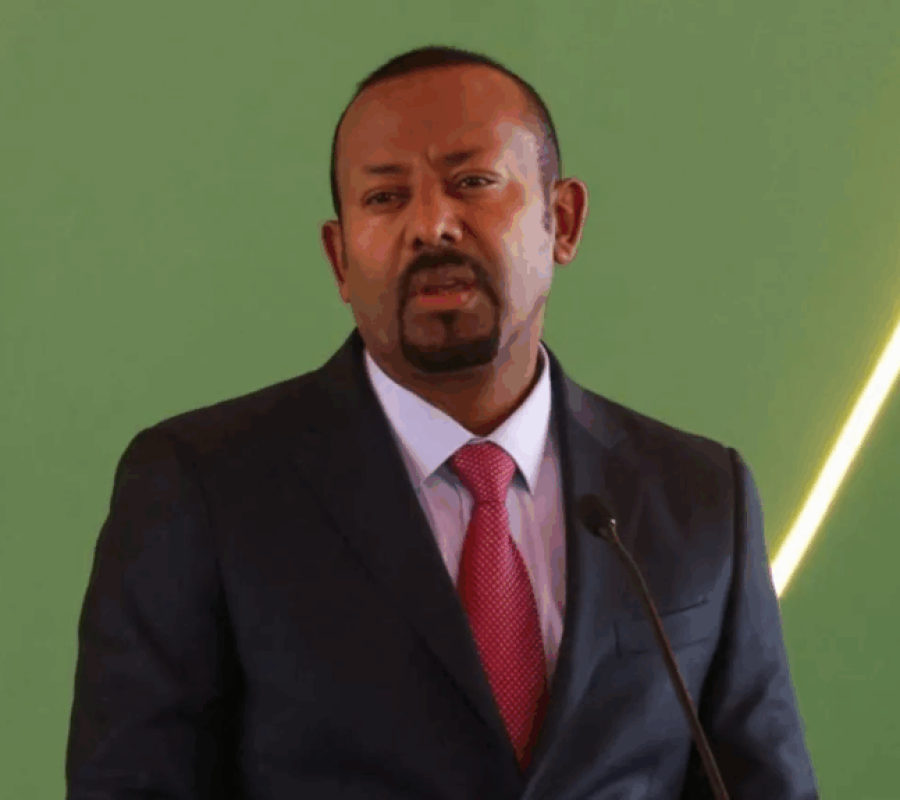
Standard Chartered hosts inaugural digital assets summit in Accra
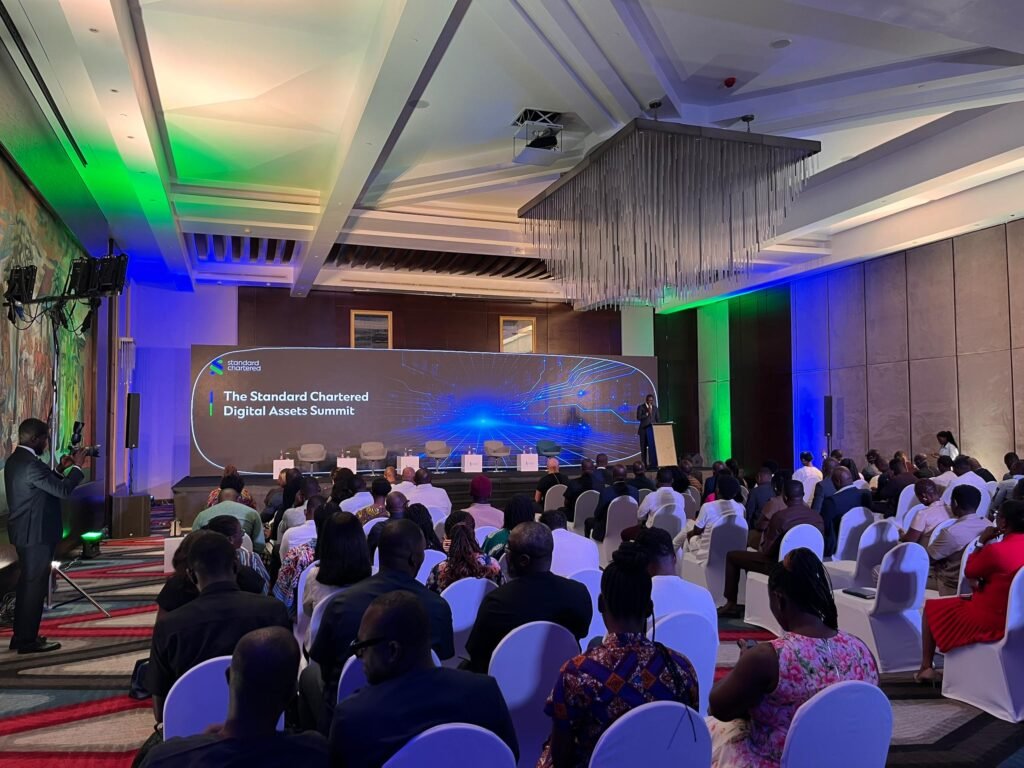
Standard Chartered’s inaugural Digital Assets Summit in Accra highlighted a pivotal moment in Africa’s financial evolution, as the continent grapples with the transformative potential of blockchain technology and digital currencies. The summit brought together regulators, financial leaders, and technology experts to examine how stablecoins and other digital assets could reshape payment systems while addressing the regulatory challenges that accompany such innovation.
Rene Michau, Standard Chartered’s Global Head of Digital Assets, presented compelling data suggesting the global stablecoin market could expand from its current $300 billion valuation to approximately $2 trillion by 2028. This projection reflects not merely speculative enthusiasm but observable trends in emerging markets where businesses and consumers are increasingly seeking more efficient payment mechanisms.
“The most transformative trend for cross-border payments will be stablecoins and other forms of digital money,” Michau stated, pointing to the persistent friction in intra-African trade caused by existing payment infrastructure. His remarks underscored a growing consensus that digital assets are no longer peripheral innovations but central components in the ongoing evolution of money itself.
This perspective was echoed by Bank of Ghana First Deputy Governor Dr. Zakari Mumuni, who noted that over three million Ghanaians already participate in the digital asset ecosystem, representing billions of dollars in economic activity. Mumuni’s assertion that “the question is no longer whether digital assets will shape African finance. They already are” reflects the rapid transition from experimental technology to practical financial infrastructure.
The summit discussions revealed a nuanced approach Rather than advocating for wholesale replacement of traditional financial systems, speakers emphasized digital assets as complementary tools. Jojo Bannerman, Executive Director and Head of Markets at Standard Chartered Bank Ghana PLC, clarified that “digital assets are an additional tool within the ecosystem,” with existing regulations around payments and currency sovereignty remaining intact.
Standard Chartered’s perspective aligns with other recent financial innovation initiatives in Ghana, such as the Islamic Finance Research Institute of Ghana’s international training program focused on expanding financial inclusion through ethical banking practices.
Practical applications highlighted included cross-border trade scenarios where Ghanaian traders could make near real-time payments to regional suppliers without the lengthy settlement periods, multiple currency conversions, or physical cash risks that currently impede commerce. Such efficiency gains could significantly improve working capital management by reducing the need for businesses to hold idle foreign currency balances.
Beyond payments, the summit explored the tokenization of financial assets as a growing opportunity. Michau noted that while tokenized money market funds and equities currently dominate the tokenized asset market, sustainable growth requires parallel development in both asset and money tokenization. He identified stablecoins, central bank digital currencies, and tokenized bank deposits as critical components of future market infrastructure.
The conversation naturally extended to the intersection of digital assets and artificial intelligence, with participants examining how programmable money could facilitate machine-to-machine transactions as AI systems gain greater autonomy. This forward-looking perspective acknowledged that financial innovation rarely occurs in isolation but rather as part of broader technological convergence.
Regulatory considerations formed a crucial counterpoint to the enthusiasm for innovation. Michau stressed that successful adoption depends on “balancing innovation with regulation, ensuring that new forms of money operate within trusted and well-supervised frameworks.” This sentiment aligns with ongoing efforts by African regulators, including the Bank of Ghana and Securities and Exchange Commission, to develop frameworks that harness innovation’s benefits while protecting financial stability, consumers, and anti-money laundering standards.
Standard Chartered executives positioned Ghana as strategically well-placed to navigate this transition, citing growing engagement among regulators, financial institutions, technology providers, and market participants. Xorse Godzi, CEO of Standard Chartered Bank Ghana PLC, framed digital assets as a strategic opportunity for the country to advance financial inclusion, efficiency, and innovation—but emphasized that realizing this potential demands sustained collaboration among all stakeholders.
Dalu Ajene, CEO and Head of Coverage for Africa at Standard Chartered, cautioned that Africa’s opportunity extends beyond mere adoption to building “trusted, scalable and regulated market infrastructure.” This note of prudence captured the summit’s underlying theme: that the promise of digital assets can only be fulfilled through careful attention to the foundational elements that ensure their responsible integration into Africa’s financial landscape.
Image Source: MYJOYONLINE