Donor Sperm With Cancer Gene Used to Conceive Nearly 200 Kids
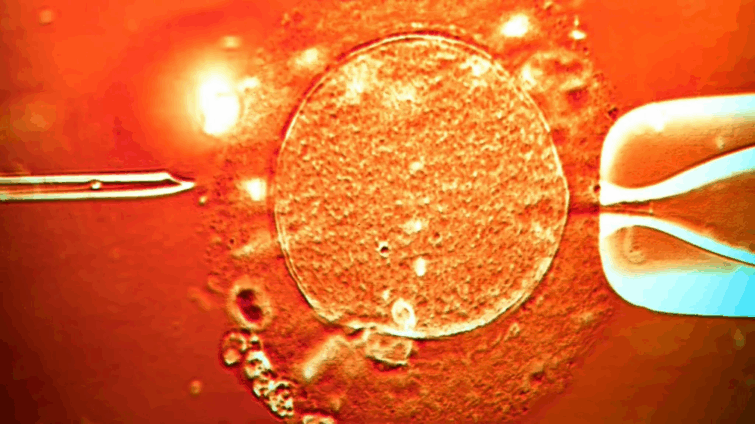
A sperm donor unknowingly carrying a genetic mutation that significantly increases cancer risk has fathered at least 197 children across Europe, a major investigation has revealed. The discovery has sparked serious concerns about donor screening and the potential for a wave of cancer diagnoses among the donor’s offspring.
The mutation, affecting the TP53 gene crucial for preventing cancerous cell growth, means children conceived with the donor’s sperm face an up to 90% lifetime risk of developing cancer, particularly in childhood and later in life as breast cancer. Sadly, some children born from the donor’s sperm have already died from cancer-related illnesses.
While the donor’s sperm was not directly sold to clinics in the UK, the BBC has confirmed that a “very small” number of British families utilized his sperm during fertility treatments in Denmark. These families have since been notified by authorities.
The European Sperm Bank, based in Denmark, admitted to using the donor’s sperm for an extended period – approximately 17 years, starting in 2005 – and acknowledged that the number of children conceived from his donations exceeded recommended limits in some countries. They expressed their “deepest sympathy” to the affected families.
The investigation, a collaborative effort by 14 public service broadcasters including the BBC, under the umbrella of the European Broadcasting Union’s Investigative Journalism Network, uncovered the scale of the issue. Doctors first raised concerns earlier this year at the European Society of Human Genetics after identifying 23 children with the genetic variant out of 67 known cases, with ten already diagnosed with cancer.
The actual number of children fathered by the donor is believed to be at least 197, and potentially higher as data from all countries involved is still being compiled. The number of children who have inherited the dangerous mutation remains unknown.
“We have many children that have already developed a cancer. We have some children that have developed already two different cancers and some of them have already died at a very early age,” stated Dr Edwige Kasper, a cancer geneticist at Rouen University Hospital in France, who initially presented the data.
Céline, a single mother in France, learned her 14-year-old daughter, conceived using the donor’s sperm, carries the mutation. “She says she has absolutely no hard feelings towards the donor but says it was unacceptable she was given sperm that wasn’t clean, that wasn’t safe, that carried a risk,” the report indicates. She is preparing for the possibility of multiple cancer diagnoses throughout her daughter’s life.
The donor’s sperm was distributed to 67 fertility clinics across 14 countries. The UK’s Human Fertilisation and Embryology Authority (HFEA) was notified by Danish authorities and has informed the affected British families. Peter Thompson, the HFEA’s chief executive, confirmed that only a “very small number” of women were impacted.
Authorities are advising concerned parents to contact the fertility clinic they used and the relevant fertility authority in their country. The BBC has chosen not to release the donor’s identification number, citing his good faith donation and the fact that UK cases have been contacted.
Currently, there are no international regulations governing the number of times a sperm donor’s sample can be used. While individual countries have limits – Belgium restricts usage to six families, and the UK to ten – these have been breached in some instances. The European Sperm Bank is “in dialogue” with authorities in Denmark and Belgium regarding these breaches.
Experts acknowledge the challenges of comprehensive donor screening. “You can’t screen for everything,” explained Prof Allan Pacey, deputy vice president of the Faculty of Biology Medicine and Health at the University of Manchester. “We only accept 1% or 2% of all men that apply to be a sperm donor in the current screening arrangement so if we make it even tighter, we wouldn’t have any sperm donors – that’s where the balance lies.”
The European Society of Human Reproduction and Embryology has proposed a limit of 50 families per donor, but acknowledges this won’t eliminate the risk of inherited genetic diseases. Sarah Norcross, director of the Progress Educational Trust, emphasized the potential psychological trauma for children discovering they have hundreds of half-siblings. “More needs to be done to reduce the number of families that are born globally from the same donors,” she stated.
Despite the risks, experts maintain that using donor sperm from licensed clinics is generally safer than natural conception, as donors undergo more rigorous screening. However, this case underscores the need for increased vigilance and international cooperation in donor regulations.
Image Source: MYJOYONLINE