Why Electricity and Water Tariffs Jump 9.86% and 15.92%
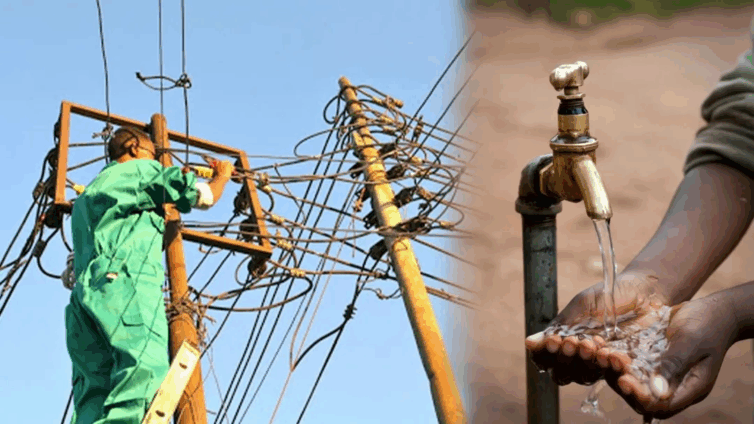
Ghana’s Public Utilities Regulatory Commission approved a 9.86% rise in electricity tariffs and a 15.92% increase in water tariffs for 2026 under the new Multi‑Year Tariff Order (MYTO).
The commission had already raised utility prices in 2025, approving a combined 18.34% hike for electricity and a 4.02% increase for water. These adjustments were spread across quarterly reviews, with water tariffs adjusted once in the second quarter and electricity tariffs raised three times to reflect generation, distribution costs and currency depreciation.
Looking ahead, the MYTO sets a five‑year framework but retains quarterly reviews to preserve the real value of tariffs against prevailing economic conditions. In practice, an improving macro‑environment could trigger a downward adjustment, while a weaker outlook may require further hikes.
State utilities submitted extensive proposals, arguing severe financial stress. ECG sought a 225% increase, NEDCO 174%, GRIDCo 75% and VRA 59% for electricity distribution charges. On the water side, Ghana Water Company Limited (GWCL) pushed for a 280% rise, warning that without it the utility could face a nationwide shutdown.
“We cannot risk a shutdown of water services,” GWCL Managing Director Mrs. Abena Agyapong stated. “Our treatment plants are already strained by illegal mining that has polluted raw water beyond viable treatment levels.”
The commission’s chairperson, Mr. Kofi Adom, noted, “The adjustments reflect the current macro‑economic reality and the genuine cost pressures faced by our utilities, while ensuring tariffs remain affordable for households.”
This is not the first episode of tension. Under the 2022‑2025 MYTO, electricity tariffs rose by 27.15% and water tariffs by 21.55%. Earlier, the 2018 review reduced residential electricity tariffs by 17.5% and non‑residential rates by 30% in response to a weaker economy. By 2020, Covid‑era revenue shocks, soaring inflation and mounting arrears forced the regulator to approve more moderate mid‑20% increases.
Macro‑economic indicators have improved: inflation fell from 23.5% in January to 6.3% in November, while the cedi appreciated by 30.4% against the dollar. The introduction of mini‑grid tariffs for island communities also featured in the commission’s calculations.
In parallel, a seven‑member technical committee drafted a privatisation roadmap for electricity distribution. The committee presented three options: full private ownership, zonal division to private operators, or private management of low‑voltage networks. Energy Minister John Jinapor clarified, “The government is not selling ECG; we are delegating operational responsibilities to private partners across designated zones.”
The International Monetary Fund has welcomed renewed private‑sector engagement as a way to inject capital discipline, reduce losses and modernise the network. While the modest 2026 hikes may give utilities breathing space, they do not guarantee performance gains. Households remain wary that further price pressures could strain already stretched budgets.
Image Source: MYJOYONLINE