Parliament Approves Free Tertiary Education for People with Disabilities
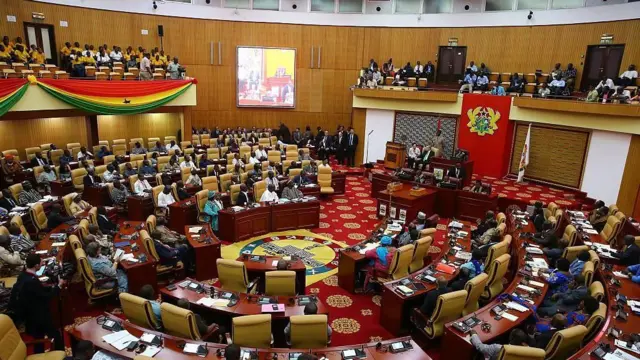
Parliament on Thursday, December 11, 2025, unanimously approved the Ghana Education Trust Fund (GETFund) Amendment Bill, 2025, providing legal backing for crucial educational policies including free tertiary education for Persons with Disabilities (PWDs) and free education for individuals with Special Needs.
The passage of this bill represents a major step towards greater social inclusion and educational access in Ghana, solidifying previous policy commitments into legally enforceable rights.
The amendment also ensures continued funding for the Free Senior High School (SHS) policy.
The GETFund Amendment Bill, 2025, aims to update the original GETFund Act (2000, Act 581) to reflect current government educational priorities. Key provisions now enshrined in law include:
- Free SHS Funding: The bill guarantees sustained financial support for the Free SHS policy through direct allocation from GETFund.
- Tertiary Education for PWDs: Eligible Persons with Disabilities will now have their full tertiary education costs covered by the state, removing a significant financial obstacle.
- Special Needs Education: The law ensures free education for Persons with Special Needs at all levels, with adequate resources allocated to specialized institutions and supportive learning environments.
The socio-economic impact of this legislation is expected to be substantial, particularly for PWDs. Data from the Ghana Statistical Service (GSS) reveals that educational attainment rates among PWDs are significantly lower than the national average, often due to financial constraints and a lack of accessible infrastructure.
The guaranteed funding from GETFund – sourced from a 2.5% value-added tax (VAT) – is vital for the long-term sustainability of these social interventions, protecting them from annual budget fluctuations.
This commitment to PWDs and individuals with Special Needs aligns with Ghana’s obligations under the UN Convention on the Rights of Persons with Disabilities and the Sustainable Development Goals (SDG 4), which advocate for inclusive and equitable quality education.
While the bill’s passage is a cause for celebration, the focus now shifts to effective implementation and transparent resource allocation. Significant investment will be required to upgrade infrastructure, procure assistive technologies, and train staff at tertiary institutions and special schools to accommodate the anticipated increase in students.
Disability rights advocates and educational sector unions are expected to closely monitor the Ministry of Education and the GETFund Secretariat to ensure allocated funds translate into high-quality, accessible learning environments for all beneficiaries.
Image Source: MYJOYONLINE