Oxfam in Ghana donates medical equipment and essential drugs worth GH₵1.5 million to Kasoa Polyclinic

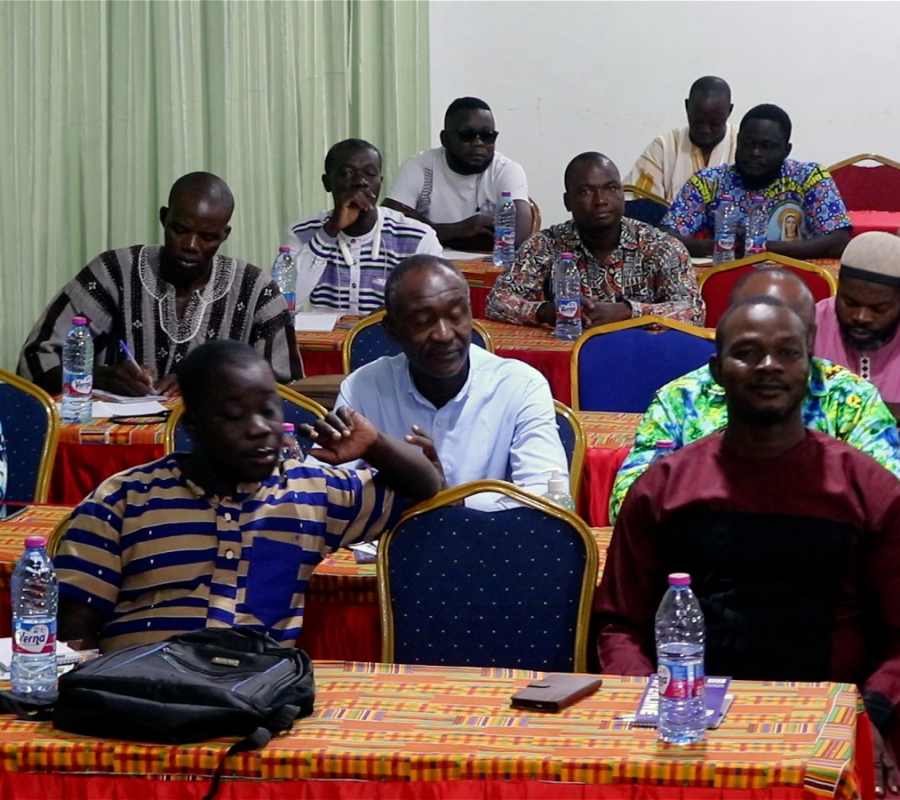
In a significant boost to maternal healthcare infrastructure in Ghana’s Central Region, Oxfam has delivered medical equipment and essential drugs valued at approximately GH₵1.5 million to the Kasoa Polyclinic. The donation, unveiled at a ceremony held at the clinic on Tuesday, aims to strengthen maternal and reproductive healthcare services for one of the country’s most populous municipalities.
The contribution includes a comprehensive range of essential items: delivery beds, maternity beds, oxygen cylinders, neonatal resuscitation equipment, blood pressure monitors, newborn weighing scales, suction machines, delivery kits, essential medicines, and medical theatre wear. These supplies address critical gaps in the clinic’s capacity to provide quality care, particularly for expectant mothers and newborns.
This donation forms part of the Power to Choose (P2C) Project, a seven-year initiative implemented by Oxfam in Ghana in partnership with local organizations including the Planned Parenthood Association of Ghana (PPAG), WiLDAF Ghana, SEND Ghana, Norsaac and PARDA. Funded by Global Affairs Canada through Oxfam Quebec, the project focuses on improving sexual and reproductive health and rights for young people, with special attention to adolescent girls and young women in vulnerable and marginalized communities.
According to Oxfam Ghana’s Country Director, Mohammed-Anwar Sadat Adam, the initiative has already trained approximately 102 health workers in specialized areas such as youth-friendly services, emergency obstetric and neonatal care, family planning, gender-based violence response, respectful maternity care, and inclusive healthcare delivery. This capacity-building component complements the provision of physical resources by ensuring that healthcare providers have the skills necessary to utilize the equipment effectively.
Local health officials welcomed the timing of the donation, noting that quality healthcare delivery depends on three fundamental pillars: skilled manpower, adequate financial resources, and appropriate equipment. The Acting Medical Superintendent of Kasoa Polyclinic, Dr. Papa Kojo Arthur, emphasized that the new supplies would significantly enhance the clinic’s ability to manage maternal and child health cases, potentially contributing to reductions in maternal and perinatal mortality rates in the municipality.
The Kasoa Polyclinic serves as a key healthcare provider for the Awutu Senya East municipality, a rapidly growing area that has faced increasing pressure on its health infrastructure. By strengthening the clinic’s capacity to deliver quality maternal and reproductive healthcare, the donation addresses both immediate service needs and longer-term health outcomes for the community.
Oxfam representatives urged the beneficiary facility to ensure proper utilization and maintenance of the donated equipment to guarantee its longevity and continued benefit to the community. This emphasis on sustainability reflects a broader trend in development assistance that prioritizes not just the delivery of resources, but also the establishment of systems that ensure their effective, ongoing use.
As Ghana continues to work toward improving maternal health indicators—particularly in reducing the country’s maternal mortality ratio—investments in frontline healthcare facilities like the Kasoa Polyclinic represent a strategic approach. By targeting both the availability of essential medical supplies and the competencies of healthcare providers, initiatives such as the Power to Choose Project aim to create sustainable improvements in healthcare access and quality.
For the residents of Kasoa and surrounding areas, the enhanced capabilities of the local polyclinic mean greater access to comprehensive maternal healthcare services without the need for referral to larger medical centers. This decentralization of specialized care can lead to earlier detection of complications, more timely interventions, and ultimately better health outcomes for mothers and children in the region.