NADMO: Indiscipline Hampers Ghana's Flood Control Efforts
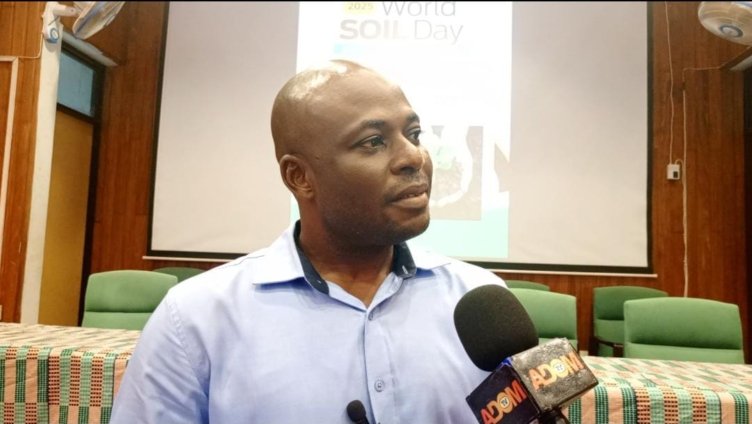
NADMO has cautioned that ongoing public indiscipline is significantly hindering efforts to manage flooding, especially in Ghana’s urban areas.
Jamal-Deen Ibrahim Seidu, the Kumasi Metropolitan Assembly (KMA) NADMO Administrator, identified irresponsible waste disposal, unauthorized construction, and a lack of respect for drainage regulations as the primary causes of flooding in the Ashanti Region.
Speaking on the sidelines of the World Soil Day celebration at the Soil Research Institute of the Council for Scientific and Industrial Research (CSIR-SRI) in Kumasi, Mr. Seidu emphasized that a change in public behaviour is crucial for effective flood control.
“Floods in the Ashanti Region are largely a result of indiscipline,” he stated. “People throw rubbish into gutters, block waterways, and build on waterlogged land. When the rains come, the water has nowhere to go.”
He revealed that a new law, currently awaiting presidential assent, will grant NADMO the authority to demolish structures built illegally in flood-prone areas, a measure he believes will strengthen enforcement capabilities.
“We need the legal power to act decisively,” Mr. Seidu noted, explaining that weak enforcement has historically allowed for the continued encroachment on vital waterways.
Despite these challenges, the region experienced a relatively low number of flood incidents in 2025, which Mr. Seidu attributed to increased public education and awareness campaigns.
“Because of the heightened sensitisation, we did not experience any flood cases that got out of control, especially here in the Kumasi metropolis,” he stated.
NADMO has also been actively conducting regular clean-up exercises throughout the Kumasi metropolis, clearing blocked gutters and removing waste to ensure the free flow of rainwater, interventions which he said helped prevent major flooding during the rainy season.
Mr. Seidu further appealed to the government to prioritize the redesign and upgrade of existing drainage systems, arguing that many are outdated and inadequate to cope with the increasing rainfall associated with climate change and rapid urbanisation.
The World Soil Day event, themed “Healthy Soil for Healthy Cities,” brought together researchers, students, local authorities, and environmental groups, all of whom underscored the importance of responsible land use and effective waste management.
Mr. Seidu urged residents to refrain from dumping waste into waterways, respect designated drainage easements, and report any instances of illegal construction, stressing that tackling flooding is a collective responsibility.
“Together we can turn the tide against flooding,” he concluded.
Image Source: MYJOYONLINE