MI6 Chief Warns of Acute Threat from Russia
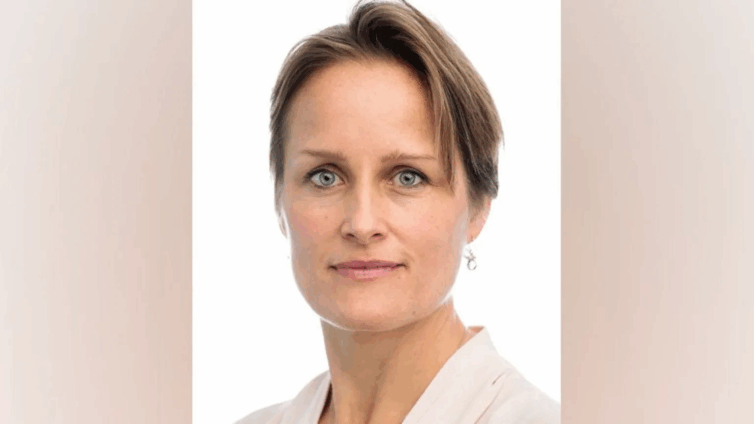
Britain’s new intelligence chief, Blaise Metreweli, is set to deliver a stark warning about the escalating threat from Russia in her first public address later today.
Ms. Metreweli will focus on what she terms ‘hybrid warfare’ tactics employed by Moscow, encompassing cyberattacks and the suspected use of drones near vital UK infrastructure by Russian-backed groups. She will characterize Russia as an aggressive, expansionist, and revisionist power, posing an acute danger to global security.
The MI6 director, who assumed office on October 1st, becoming the first woman to lead the agency, will reaffirm Britain’s unwavering support for Ukraine amidst the ongoing conflict. “Britain will be keeping up the pressure on President Vladimir Putin on Ukraine’s behalf,” she is expected to state.
Monday’s speech will also highlight recent sanctions imposed on Russian entities involved in information warfare, alongside similar measures taken against two China-based firms accused of indiscriminate cyber activities targeting the UK and its allies. According to sources, these sanctions, while impactful on the Russian economy – forcing a shift in exports towards China and India – have not altered President Putin’s resolve in Ukraine.
Ms. Metreweli’s background underscores a significant emphasis on technology within the Secret Intelligence Service. Having joined MI6 in 1999, her career path led her through ‘Q Branch,’ the agency’s top-secret research and development division responsible for creating cutting-edge espionage tools.
She is anticipated to urge all MI6 officers to become proficient in technology, stating, “We must be as comfortable with lines of code as we are with human sources, as fluent in Python as we are in multiple languages.” This call to action reflects the evolving landscape of espionage, where data and digital skills are paramount.
The need for technological adaptation is driven by the increasing sophistication of surveillance and counterintelligence measures. In an era of biometric scanning and instant identification, traditional espionage methods are becoming less reliable. MI6 must demonstrate its continued relevance by embracing innovation, sources say.
In a separate address, Chief of the Defence Staff, Sir Richard Knighton, will advocate for a “whole of society” approach to bolstering national resilience in the face of growing threats. Speaking at the Royal United Services Institute in London, he will argue that defence and security are not solely the responsibility of the military.
“The situation is more dangerous than I have known during my entire career,” Sir Richard is expected to say. He will further emphasize that Russia aims to “challenge, limit, divide and ultimately destroy Nato.”
Sir Richard will outline the need to leverage the UK’s collective strengths – including its universities, industries, and essential services like the rail network and the National Health Service – to enhance deterrence. “A new era for defence doesn’t just mean our military and government stepping up – as we are – it means our whole nation stepping up,” he will state.
He will also announce £50 million in funding for new defence technical excellence colleges, addressing a skills gap identified by the Royal Academy of Engineering. The announcement comes as France and Germany explore implementing voluntary national service programs, and follows a previously dismissed proposal for compulsory service in the UK.
The debate surrounding the UK’s overall response to an increasingly uncertain world is gaining momentum, with both military leaders and policymakers calling for a more comprehensive and proactive strategy.
Image Source: MYJOYONLINE