MFWA Condemns Ghana's Crackdown on Free Speech
The Media Foundation for West Africa (MFWA) has raised serious concerns over a growing trend of arrests and detentions of bloggers and activists by state authorities, ostensibly to combat the spread of false news.
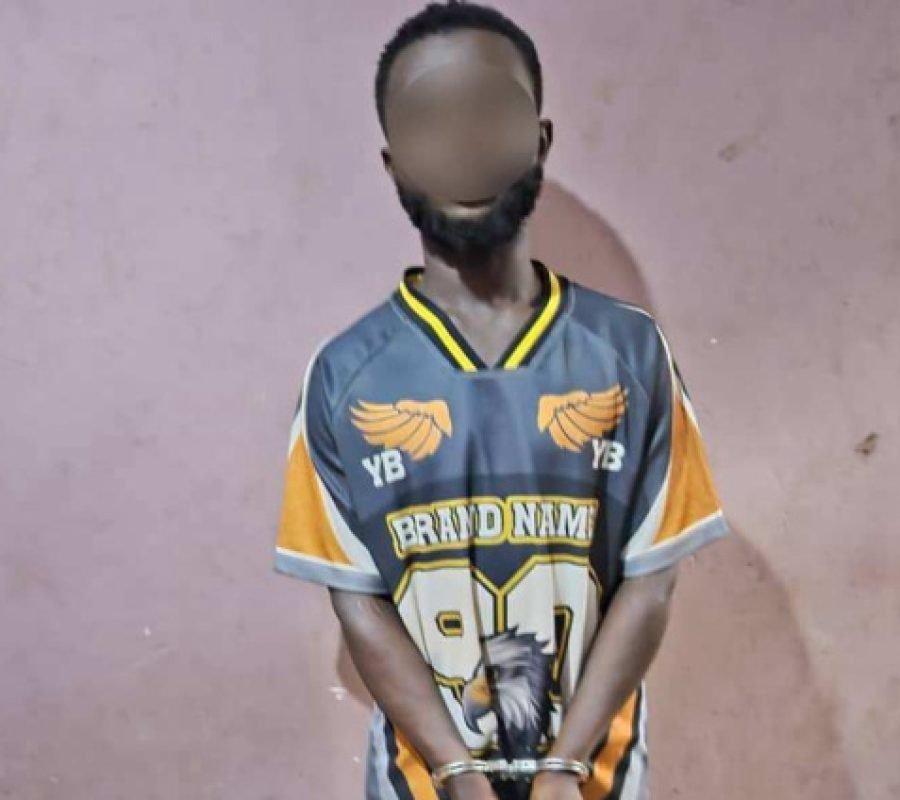
The recent arrest of Wendell Nana Yaw Yeboah of Democracy Hub is the latest in a series of incidents that the MFWA says signals a worrying step back for Ghana’s democratic principles, echoing the repressive tactics of the now-repealed Criminal Libel Law.
According to the MFWA, the Ghana Police Service, National Security, and other state agencies are increasingly being used to settle scores and address reputational concerns of public officials, rather than relying on established legal channels like civil suits.
The Cases
On November 26, 2025, the Criminal Investigations Department (CID) arrested Mr. Yeboah following a petition from the ‘Ashanti Democrats’ on behalf of three Regional Ministers – Ashanti, Eastern, and Western – over allegations of complicity in illegal mining, commonly known as ‘galamsey’. He had previously issued a retraction and apology on November 18, admitting the claims were unsubstantiated.
Just days prior, on November 20, 2025, blogger Samuel Amadotor was arrested and detained based on a complaint filed by Okatakyie Boakye Danquah Ababio II, a former Board Chairman of the National Communications Authority (NCA), accused of “publication of false news.”
The MFWA also highlighted the September 8, 2025 arrest of Kwame Baffoe, known as Abronye DC, the Bono Regional Chairman of the New Patriotic Party (NPP). He was charged with “offensive conduct conducive to breach of the peace” and “publication of false news” after criticizing the Inspector General of Police.
Further back, on August 12, 2025, Akyemkwaa Nana Kofi Asare, a presenter with Wontumi TV, was reportedly abducted by unidentified armed men after linking President John Mahama to a fatal military helicopter crash. He was later found at Police Headquarters in Accra.
That same day, TikTok creators Prince Ofori and Yayra Abiwu, popularly known as Fante Comedy and Akosua Jollof, were arrested for remarks made during a live session suggesting the President and a government official should have perished in the helicopter crash.
On May 17, 2025, Alfred Ababio Kumi, a former parliamentary aspirant, was arrested by National Security operatives following social media allegations of judicial misconduct. He was later charged with publication of false news on May 23, 2025.
The ‘Twin Laws’
The MFWA points to Section 208 of the Criminal Offences Act, 1960 (Act 29) and Section 76 of the Electronic Communications Act (Act 775) as the legal basis for these arrests – statutes the organization refers to as the “Twin Laws” that effectively revive the spirit of the repealed Criminal Libel Law.
The organization argues that the “fear and panic” provision within Section 208 is a relic of colonial rule intended to suppress dissent. While Section 76 of the Electronic Communications Act is intended to curb misinformation, the MFWA contends it is often applied arbitrarily to protect powerful figures.
Adding to the concern, the MFWA notes that the proposed Misinformation, Disinformation, Hate Speech and Publication of Other Information (MDHI) Bill, 2025, while aiming to repeal the “twin laws,” contains provisions that could replicate their restrictive effects. The definition of “hate speech” within the bill is considered overly broad and potentially capable of encompassing legitimate political criticism.
A Setback for Freedom
“It is deeply disappointing that this pattern of criminalising speech has once again reared its head,” the MFWA stated. The repeal of the Criminal Libel Law in 2001 was intended to foster a more open and democratic society, but the current reliance on arrests and detentions represents a betrayal of that progress.
The MFWA emphasizes that while it does not endorse the content of the statements made by those arrested, criminal prosecution is a disproportionate response. Civil remedies, such as rejoinders, arbitration by the National Media Commission, or defamation suits, are the appropriate avenues for addressing reputational harm.
Call to Action
The MFWA is calling for the immediate dropping of criminal charges against all those arrested, and for authorities to respect the constitutional rights of detainees. They also urge the judiciary to prioritize non-custodial sentences in speech-related cases.
Furthermore, the organization is demanding urgent legislative reform, specifically the repeal of Section 208 of the Criminal Offences Act and Section 76 of the Electronic Communications Act. Finally, they are calling for a revision of the MDHI Bill to ensure it reinforces civil pathways for resolving speech disputes and avoids reintroducing repressive elements.
The MFWA warns that Ghana’s reputation as a leader in media freedom in Africa is at risk if arbitrary arrests for speech offenses continue. “The nation cannot claim to be a champion of free expression while such practices persist,” they concluded.
Image Source: MYJOYONLINE