Researcher warns of air pollution in Kumasi schools
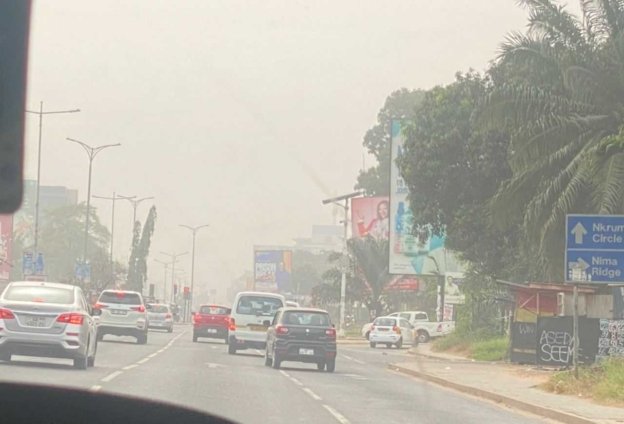
A study released in August 2024 found PM2.5 levels in six senior high schools in Kumasi repeatedly exceeded World Health Organisation safe limits, exposing thousands of students to hazardous air.
Conducted from September 2022 to August 2023, the monitoring used calibrated air‑quality sensors that recorded particulate concentrations well above the WHO 10 µg/m³ annual guideline. Dr Victoria Owusu‑Tawiah, lead researcher, told the Ghana News Agency the readings were “worryingly high”, comparing clean air to a bucket with five dust grains versus fifteen in the schools.
PM2.5 particles are invisible to the naked eye but can penetrate deep into the lungs, raising the risk of asthma, chronic lung disease and other health complications, especially for children whose bodies are still developing.
The study showed pollution peaked during the dry season when Harmattan dust combined with smoke from open burning, vehicle emissions and household cooking fires. Levels were almost double those recorded in the rainy season, and mornings and evenings – when traffic and domestic burning surge – were the most polluted times of day. Saturdays also recorded the highest weekly averages due to increased weekend cooking and waste burning.
Using the international Air Quality Index, most school readings fell into the “unhealthy for sensitive groups” category, signalling danger for children, asthmatics and anyone with respiratory conditions.
Dr Owusu‑Tawiah called for urgent action: stop open burning, promote cleaner cooking methods, plant trees around school compounds and base outdoor activities on real‑time air‑quality alerts.
She warned that the problem extends beyond school gates: “Kumasi is growing fast, and if we don’t act now, more children will suffer from breathing problems and other health issues.” She urged schools, government agencies and parents to work together to protect students and curb pollution around learning environments.
Air pollution remains one of Ghana’s deadliest public‑health threats. The State of Global Air 2025 report recorded over 32,000 Ghanaian deaths in 2023 – about 14 % of all deaths – making it the country’s second leading risk factor after high blood pressure. The World Health Organisation estimates that polluted air cut nearly nine months from the average Ghanaian’s life expectancy.
Experts say the findings underscore the need for coordinated policy, stricter enforcement of emission standards and community‑level interventions to safeguard the health of Ghana’s youngest citizens.
Image Source: MYJOYONLINE