Ghana’s cocoa sector is facing a significant threat from illegal mining, commonly known as ‘galamsey,’ with Kuapa Kooko, a leading indigenous cooperative, sounding the alarm over polluted water sources and degraded farmlands.
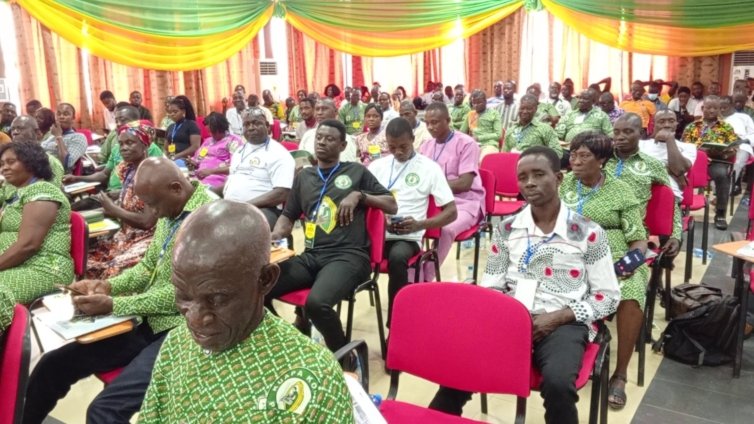
Speaking at a stakeholder engagement, James Agyekum Kwarteng, National President of Kuapa Kooko, emphasized that galamsey is a major challenge for cocoa farming communities within their operational areas.
“The galamsey is really worrying us. Even the water we use to farm has been polluted almost everywhere,” he stated. According to Mr. Kwarteng, the contamination of rivers and streams used for irrigation is driving up production costs and jeopardizing the livelihoods of cocoa farmers.
He further explained that the long-term viability of cocoa farming is at risk if immediate action isn’t taken to protect farmlands. Kuapa Kooko is actively educating its members against leasing their lands to illegal miners, highlighting the sustained benefits of cocoa cultivation.
“We tell them about the impact of galamsey and what it can do to their lands, and how cocoa remains more profitable in the long term,” Mr. Kwarteng added.
Emmanuel Arthur, Managing Director of Kuapa Kooko, also revealed broader challenges, including declining cocoa yields and limited access to financial resources. The cooperative, with a potential annual output of 80,000 metric tonnes, only managed to sell 12,000 metric tonnes during the past year – a figure described as “far below expectations.”
Mr. Arthur attributed this shortfall partly to the discontinuation of the syndicated loan system by COCOBOD, which previously provided crucial support to Licensed Buying Companies (LBCs). “Cocoa buying cannot thrive without funding. The banks help us, but they can do better than what they’re doing now,” he said, appealing for increased support from local banks, backed by the Bank of Ghana.
Kuapa Kooko is urging the government to provide targeted assistance to indigenous cocoa companies, enabling them to compete effectively with foreign-owned businesses in the sector. “Since we are a cooperative, we can handle everything from farming to retailing. Government should trust us and support us to grow,” Mr. Arthur stated.
Despite these hurdles, Kuapa Kooko is pursuing expansion plans, including the establishment of a cocoa processing factory within the next two years. Feasibility studies are currently underway, with Kumasi and Takoradi among the potential locations.
The cooperative maintains that tackling galamsey is paramount to safeguarding Ghana’s cocoa industry, a vital source of income for millions and a cornerstone of the national economy.
Image Source: MYJOYONLINE