Iran Warns Israeli Attacks in Lebanon Threaten Ceasefire With US
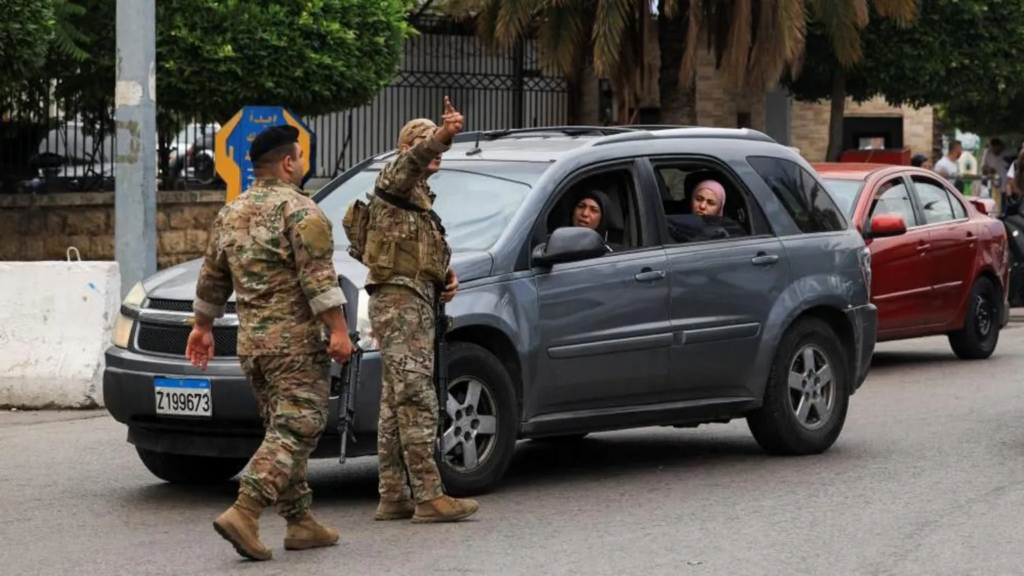
Iran has warned that Israeli military operations against Hezbollah in Lebanon could jeopardise the fragile ceasefire between Tehran and Washington, after Israeli Prime Minister Benjamin Netanyahu ordered strikes on the southern suburbs of Beirut.
Foreign Minister Abbas Araghchi said the agreement with the United States was “unequivocally a ceasefire on all fronts, including in Lebanon,” adding that “its violation on one front is a violation of the ceasefire on all fronts.” The statement marks the most explicit Iranian linkage yet between the Lebanon theatre and the broader US-Iran truce that came into force on April 8.
Netanyahu said “terror targets” in Dahieh, the densely populated southern suburb of Beirut, would be struck in response to what he described as Hezbollah rocket and drone attacks on Israeli civilians and other violations of a ceasefire announced in April that has so far failed to end the fighting.
The situation escalated further when Iran’s Tasnim news agency, which is affiliated with the powerful Islamic Revolutionary Guard Corps, reported that Tehran could suspend indirect negotiations with the US. The agency also warned that Iran and its allies would “activate other fronts, including the Bab al-Mandab Strait” at the entrance of the Red Sea, a threat that carries significant implications for global shipping and energy markets.
While Iranian authorities have not publicly commented on the Tasnim report, state television said the probability of the ceasefire with the US ending was high if Israel did not curtail its offensive in Lebanon. The development illustrates how deeply intertwined the various theatres of conflict across the Middle East have become, with actions in one arena threatening to unravel diplomatic progress in another.
The United States has attempted to separate events in Lebanon from its negotiations with Iran, which has long provided Hezbollah with significant ideological, military, and financial backing. Tehran, however, insists that any agreement must include provisions for peace in Lebanon. On Sunday, a US official said Secretary of State Marco Rubio had proposed a plan for “gradual de-escalation” to both Netanyahu and Lebanese President Joseph Aoun.
The Israeli military has struck Beirut twice since the ceasefire between Israel and Lebanon came into force on April 16, most recently on Thursday. However, reports suggest the White House has been pressuring Israel to limit its military action in Beirut to avoid jeopardising efforts to strike a broader deal.
Tensions between Iran and the US also flared in the Strait of Hormuz over the weekend. Washington said it struck Iranian military sites, while Tehran claimed it responded by targeting a US base in Kuwait. The exchange of strikes pushed Brent crude, the global benchmark for oil prices, up by almost five dollars a barrel to $97.44 on Monday.
Oil prices have been volatile since Israel and the US launched strikes against Iran on February 28, with potential peace deals and further escalations pulling the market in opposite directions. The three-month-long conflict has effectively closed the Strait of Hormuz waterway, through which roughly a fifth of the world’s oil and liquefied natural gas supplies normally pass.
President Donald Trump has repeatedly suggested in recent days that Washington and Tehran are close to a permanent deal and that negotiations are progressing. No formal agreement has yet been reached, however, and the risk of further escalation remains considerable.
Image Source: MYJOYONLINE