Ghana Urged to Claim Lithium Ownership
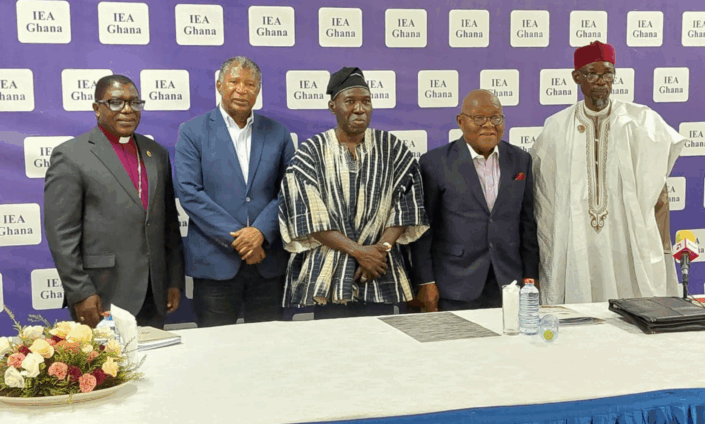
The Institute of Economic Affairs (IEA) is advocating for the Government of Ghana to assert full ownership of the nation’s lithium resources, partnering with the private sector for mining operations while prioritizing the development of a comprehensive lithium value chain to maximize benefits for Ghanaians.
The IEA proposes the establishment of a state-owned Ghana Lithium Company (GLC) to spearhead the effective exploitation and management of this valuable mineral. According to the Institute, the government has already invested US$32 million in the Ewoyaa project, exceeding the contribution of Barari DV, the private entity seeking ownership of the mine.
“The GLC should be mandated to develop the entire lithium value chain from raw lithium to batteries in Ghana,” the IEA stated.
Speaking at a press conference in Accra on Tuesday, Dr Charles Mensah, Chairman of the IEA, highlighted the potential economic windfall. He explained that, based on the current market price of US$9,000 per tonne of lithium carbonate, Ghana could generate approximately US$172 billion from processing the estimated 3.6 million tonnes of spodumene concentrate at the Ewoyaa Mine.
Dr Mensah further emphasized the strategic importance of lithium, stating, “As a strategic mineral, it is critical for Ghana’s energy transition and economic transition into the modern economy.” He urged the government to proceed with caution, advising against decisions influenced by fluctuating global prices.
“I tell people who make such arguments that what they are advising is ‘voodoo economics’,” he added.
Professor Aaron Mike Oquaye, an IEA Fellow and former Speaker of Parliament, called on Parliament to suspend the ratification of the revised lithium agreement. He argued that doing so would prevent the state from being disadvantaged, a pattern he observed in previous natural resource agreements.
“Ghana’s current mining legislation and agreements have held the country back and need to be overhauled,” Prof. Oquaye stated. He drew a comparison to Dubai’s success, questioning, “The models are there now, and knowledge is explosively abundant. Do you think if Dubai were collecting royalties, they would have been where they are today? So why should we do the contrary?”
Prof. Oquaye also cautioned local mining communities against rushing into exploitation, warning that hasty actions could lead to outcomes similar to those seen in other mining areas across the country.
Mr Inusah Fuseini, a former Minister of Lands and Natural Resources, described the lithium discovery as a “golden opportunity” for Ghana to transform its economic prospects. He pointed out that the parliamentary debate surrounding the agreement – specifically the proposed 10 per cent royalty rate versus the legally mandated five per cent – provides a strong basis for rejection and renegotiation.
“The basis upon which they arrived at 10 per cent royalties does not exist in law, and that is what parliamentarians are saying,” Mr Fuseini explained. “So the agreement itself is tainted by illegality. Why then should we ratify it? For me, it offers a very good opportunity to renegotiate.”
Sheikh Aremeyaw Shaibu, spokesperson for the National Chief Imam, stressed the importance of engaging local mining communities in the process, ensuring they understand the implications and can actively participate in maximizing the national benefits from the lithium resource.
Image Source: MYJOYONLINE