Warner Bros Battle Turns Hollywood Upside Down
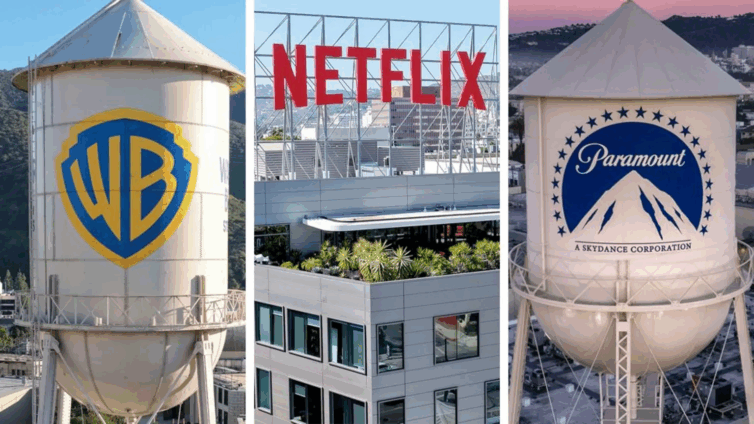
Hollywood is reeling from the potential collapse of Warner Bros., with industry workers describing the situation as a “disaster, catastrophe and nightmare.” A fierce battle between streaming giant Netflix and media conglomerate Paramount is underway to acquire the historic studio, sparking fears of further upheaval and job losses in Tinseltown.
The possible sale – whether a complete takeover by Paramount Skydance or a partial acquisition by Netflix – is causing distress among creatives. Warner Bros., responsible for iconic films like Casablanca, Goodfellas, Batman, and Harry Potter, is seen as a vital part of the entertainment landscape. Its loss would mean fewer opportunities for filmmakers and actors.
Interviews conducted by the BBC with dozens of individuals in the industry reveal a deep anxiety, with many weighing the perceived evils of both potential buyers. Netflix is often blamed for contributing to the decline of traditional movie theatres, while Paramount is linked to billionaire owners with ties to former President Donald Trump.
“David Ellison is a right-wing billionaire Trumper,” a camera assistant stated, referring to the Paramount Skydance CEO and son of Oracle co-founder Larry Ellison. “Netflix is much more historically inclined not to micromanage production.”
Should Netflix succeed, it is expected to acquire Warner Bros.’ most valuable assets – the 102-year-old studio itself, HBO, and its extensive library of films and television shows. Warner Bros.’ legacy television networks, including CNN, TNT Sports, and Discovery, would likely be sold off separately.
Paramount Skydance’s $108 billion (£81bn) hostile takeover bid, however, is backed by significant foreign investment from Saudi Arabia, Abu Dhabi, Qatar, and a fund initiated by Jared Kushner, Donald Trump’s son-in-law. This has raised concerns about potential censorship and undue government influence.
Former President Trump himself weighed in, stating, “it’s imperative that CNN be sold,” further highlighting the political dimension of the deal.
This potential sale comes amidst a period of significant disruption in Hollywood, following the simultaneous actors’ and writers’ strikes in 2023 which brought film and television production to a standstill. While 2022 saw a surge in activity after the easing of Covid-19 restrictions, the industry has yet to recover.
The fallout from the strikes and the changing media landscape has led to mergers and closures. Earlier this year, David Ellison’s Skydance Media acquired Paramount, resulting in thousands of job losses. The announcement of Warner Bros’ availability for sale triggered an initial bid from Paramount, which was then superseded by a deal with Netflix.
Many within the industry point to Warner Bros Discovery CEO David Zaslav as the central figure in the studio’s decline. He earned $51.9 million last year while Warner Bros. reported losses exceeding $11 billion and a nearly 7% drop in stock value.
“I watched Warner Bros struggle since David Zaslav became the CEO and ran it into the ground,” an actor, who wished to remain anonymous for fear of jeopardizing future work with Netflix or Paramount, told reporters. He lost his home as a result of the industry downturn.
Comparisons have been drawn between Zaslav and the infamous Gordon Gekko from the 1987 film Wall Street, known for his mantra “greed is good.” A producer on the Warner Bros. lot echoed this sentiment, saying, “Zaslav is just Gordon Gekko – he came in, broke it and sold it all. He said I will make all shareholders rich and who cares what the history of this place is.”
Warner Bros. disputed this characterization, with head of communications Robert Gibbs stating, “Under the leadership of David and the talented team at WBD over the past three and a half years, the studio has regained its leadership position with a unique slate of films led by original content, seen the relaunch of the DC Universe under a single unified leadership team with ten year plan and the streaming service has launched globally and become profitable for the first time ever.”
For many film workers, the identity of the buyer is secondary to their concerns about the industry’s future. They are focused on adapting to a shrinking market and the increasing use of artificial intelligence in entertainment.
“Every morning, no matter how much I tell myself to stay positive, I wake up feeling like I’ve failed in every direction,” said an actor, now homeless with his family, relying on assistance from friends and food banks. “I would rather see Netflix purchase Warner Bros than foreign money.”
However, others fear Netflix’s dominance and its impact on movie theatres. “I think it’s a disaster,” a film exhibitor, also requesting anonymity, stated. “This is a company openly, proudly saying theatres aren’t necessary anymore. That’s scary. It’s a nightmare.”
Netflix has attempted to address these concerns, asserting its intention to “maintain Warner Bros’ current operations and build on its strengths, including theatrical releases for films.”
Some in Hollywood remain optimistic, pointing to Netflix’s restoration of The Egyptian Theatre on Hollywood Boulevard as a sign of good faith. Sound technician John Evans noted, “I think it’s a good sign,” adding that streaming is now a common way for people to consume film and television.
Despite the uncertainty, life on the Warner Bros. backlot continues, with tourists taking photos and productions moving forward. “I’ve gone through seven mergers,” a producer remarked. “But if you make good stuff, you make good stuff.” However, the producer also acknowledged the potential for further disruption, joking, “I joke about Elon walking in and doing this, but he could. When you have people worth a trillion dollars, there are no rules.”
Image Source: MYJOYONLINE