Ghana's Highlife Music Honored by UNESCO
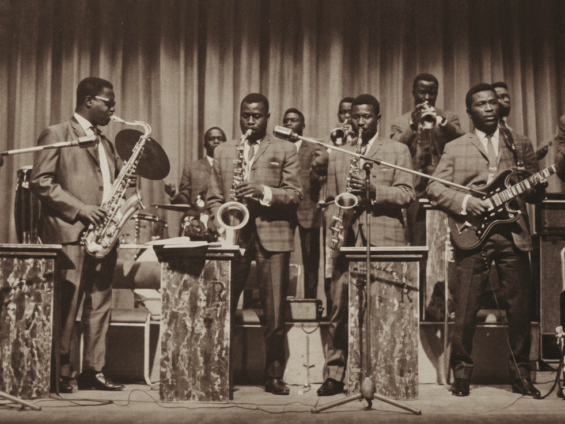
Ghana’s Highlife music and dance have been officially inscribed onto UNESCO’s Representative List of the Intangible Cultural Heritage of Humanity for 2025. This recognition celebrates over a century of musical innovation and solidifies Highlife’s place as a protected cultural treasure.
The UNESCO listing specifically acknowledges Highlife as practised in Ghana, recognizing its unique musical structures, vibrant performance styles, and significant social roles within the country.
The National Folklore Board spearheaded the nomination process, submitting a comprehensive dossier earlier this year and successfully navigating the rigorous international review.
Highlife emerged along the West African coast in the late 19th and early 20th centuries, a captivating blend of Akan rhythms, the distinctive sounds of palm-wine guitar, and influences from brass band and jazz brought by sailors, soldiers, and merchants.
The genre blossomed in the 1920s with the first recordings, evolving into the recognizable guitar-band and big-band styles that defined a generation. Musicians like E.T. Mensah, Ebo Taylor, and C.K. Mann became legendary figures, shaping Highlife into Ghana’s most enduring popular music and laying the foundation for contemporary African genres.
The push for UNESCO recognition gained momentum between 2024 and 2025, with Ghana’s cultural institutions collaborating on a detailed nomination. According to the National Folklore Board, a partial submission was made in April 2025, followed by updates as the dossier underwent national and international evaluation.
“This is a proud moment for Ghana,” stated a spokesperson for the National Folklore Board. “It’s a testament to the richness of our culture and the enduring legacy of Highlife.”
While the inscription doesn’t change the music itself, it offers significant benefits. It elevates Highlife’s global profile, ensures its long-term preservation, and opens doors for international support for training, documentation, and cultural development initiatives.
Experts emphasize that the focus is on active preservation, not simply treating Highlife as a relic of the past. This includes strengthening music education, promoting live performances, fostering mentorship between established and emerging artists, archiving historical recordings, and ensuring communities benefit from the genre’s commercial use.
Cultural agencies are already planning expanded festivals, documentation projects, and creative programmes to keep Highlife vibrant and evolving. This recognition affirms Highlife’s influence on Afrobeats, hiplife, and the broader West African music scene.
For Ghanaians, the inscription is a powerful symbol of national pride, highlighting the global significance of their everyday creative traditions. It also invites the world to experience the genre’s distinctive horn lines, rhythmic guitar work, and compelling storytelling.
Image Source: MYJOYONLINE