Teaching Renewable Energy with Interactive Stories
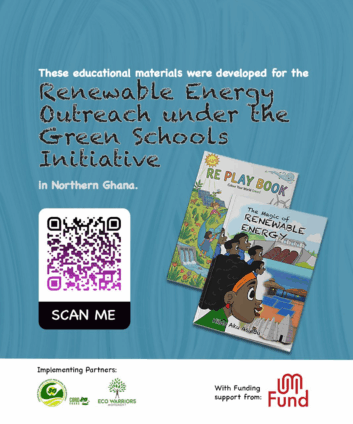
A new wave of climate education is sweeping through classrooms in Northern Ghana, using storytelling and play to introduce renewable energy to young pupils. The Green Schools Initiative, spearheaded by Opportunities and Rural Development (CORD Ghana) in partnership with the Eco Warriors Movement and supported by the UMI Fund, is at the forefront of this transformation.
The initiative has already equipped selected basic schools in the Northern Region with solar panels and solar rechargeable bulbs, enhancing teaching and learning environments. However, the latest development focuses on educational materials designed specifically for formative learning stages.
These materials centre around a simple storybook that explains renewable energy through relatable characters and familiar Ghanaian settings. Instead of technical jargon, the story illustrates how the sun can power homes and communities, fostering a connection between the concept and children’s everyday lives.
“We wanted to move away from abstract concepts and show children that renewable energy isn’t something ‘out there’ – it’s part of their world, and it can benefit them directly,” explains a representative from CORD Ghana, who preferred not to be named.
Alongside the storybook, an interactive playbook offers colouring pages and crossword puzzles. This playful approach reinforces the renewable energy concepts introduced in the story, turning learning into an enjoyable experience.
Education experts believe this method is crucial. “Children learn best when they’re engaged and having fun,” says Dr. Ama Boafo, a curriculum development specialist. “Combining storytelling with practical activities stimulates critical thinking and builds a positive relationship with environmental issues.”
Introducing these concepts at a young age is seen as vital to shaping future attitudes. The hope is that this early exposure will cultivate environmentally conscious adults ready to contribute to Ghana’s growing green economy. This initiative ultimately aims to inspire future innovators and entrepreneurs.
The impact extends beyond the classroom, with children expected to share their knowledge with families and communities, promoting broader acceptance of clean energy and supporting national climate goals.
The Green Schools Initiative demonstrates that climate education doesn’t need to be complicated. By using stories and play, it makes learning about renewable energy accessible, joyful and practical for the next generation of Ghanaians.
Image Source: MYJOYONLINE