Ghana's Disability Law Reform Needs Transparency, Not Closed-Door Drafting
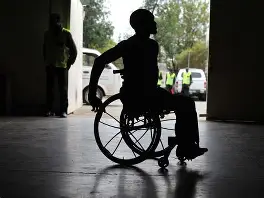
Ghana’s ongoing effort to review and strengthen its disability legislation is, by any measure, a welcome development. The country’s Persons with Disability Act, passed in 2006, has long been criticised for its weak enforcement mechanisms, limited scope and failure to align with the standards set by the United Nations Convention on the Rights of Persons with Disabilities, which Ghana ratified in 2012.
Yet a troubling pattern has emerged around the reform process itself. As the proposed disability bill reportedly makes its way toward Cabinet, key stakeholders within the disability community say they have been shut out of the final stages. Organizations of Persons with Disabilities across the country report that they do not know what the bill actually contains. If true, that is a serious democratic deficit at the heart of a process that is supposed to empower some of Ghana’s most marginalised citizens.
The principle of “Nothing About Us Without Us” is not a slogan. It is the foundational premise of the global disability rights movement, codified in Article 4(3) of the UN Convention, which requires states to closely consult with and actively involve persons with disabilities in the development of legislation that affects them. That obligation does not end when workshops conclude or consultation reports are filed. It extends through every stage of drafting, review and approval.
Consultation without disclosure is not consultation at all. Stakeholders who have participated in earlier rounds of workshops and validation meetings cannot meaningfully assess whether their input was incorporated if they are denied access to the final text. They are, in effect, being asked to trust a process whose outcome they cannot verify. That is precisely the kind of opacity that breeds scepticism and undermines public confidence in the legislative process.
The stakes are high. Disability legislation touches nearly every aspect of public life: education, employment, healthcare, transportation, social protection, political participation, accessibility standards and protection from discrimination. A law that fails to reflect the lived realities of persons with disabilities because their voices were excluded from the final drafting stage risks becoming another well-intentioned but unenforceable statute.
Ghana’s 1992 Constitution promotes citizen participation, accountability and inclusive governance. Public policies and legislation are stronger and more effective when those affected by them are given a meaningful opportunity to contribute. Transparency is not merely about informing people that a law is being reviewed. It is about ensuring that stakeholders have access to sufficient information to provide informed feedback before critical decisions are taken.
Several practical consequences flow from a lack of transparency in this process. Persons with disabilities may feel disconnected from the final outcome. Important observations from practitioners and disability specialists may go uncaptured. Certain practical realities affecting daily life for disabled Ghanaians may remain unaddressed. Government institutions responsible for implementation may face difficulties if practical concerns were not identified during drafting. And stakeholders who later discover provisions they disagree with may call for amendments, creating avoidable tensions and delays.
None of this is to suggest that the reform process should be stalled. The objective is not delay but legitimacy. A disability law that inspires confidence among persons with disabilities must be one that reflects their aspirations and protects their rights. Confidence is built through transparency, accountability and meaningful engagement.
If the proposed bill truly reflects the needs of Ghana’s disability community, then making its contents accessible to that community before it proceeds through the remaining stages of approval should not be viewed as a burden. It should be understood as an essential step toward building a stronger, more inclusive and widely accepted legal framework for disability rights in the country.
Image Source: MYJOYONLINE