Ghana’s budget transparency score plunges to 22% in 2025 Global Survey
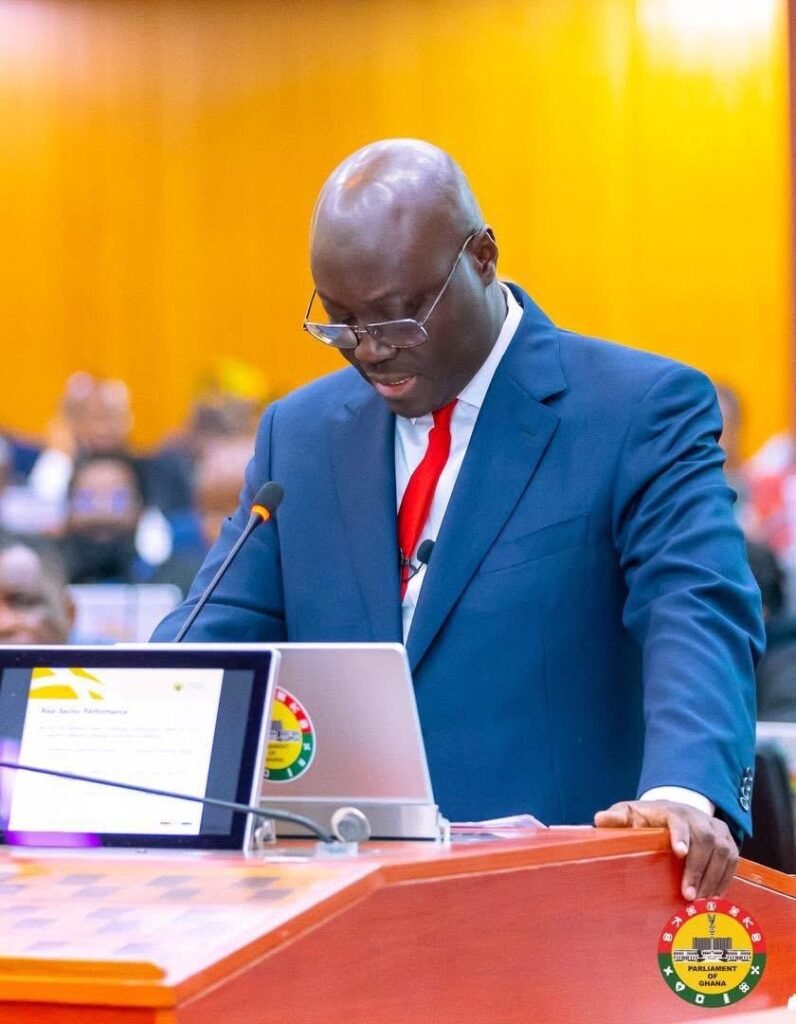
Ghana’s performance in budget transparency has suffered a dramatic reversal, with the country’s score in the 2025 Open Budget Survey falling to 22 percent — less than half the 46 percent it recorded in the previous edition of the global assessment.
The decline, published by the International Budget Partnership, places Ghana well below the Sub-Saharan African average of 38 percent and raises serious questions about the government’s commitment to open fiscal governance. The survey, which covers 82 countries, is regarded as the world’s only independent, comparative assessment of budget openness, drawing on expert evaluations, peer reviews, and standardised scoring methodologies.
The report identifies specific failings that drove the decline, chief among them delays in publishing the Executive’s Budget Proposal and the Citizens’ Budget online, as well as the inconsistent release of In-Year Reports. These documents are considered essential tools for enabling citizens and civil society organisations to scrutinise how public money is raised and spent.
“The opportunities for public participation remain limited as citizens and civil society groups are largely excluded from budget hearings and monitoring,” the survey noted, underscoring the gap between Ghana’s democratic aspirations and its fiscal transparency practices.
The findings carry particular weight given Ghana’s broader economic challenges. The country recently completed a debt restructuring programme under the International Monetary Fund and is working to restore fiscal credibility after years of widening deficits. In that context, the collapse of budget transparency scores is likely to alarm international partners and investors who view open governance as a precondition for sustainable economic management.
The transparency decline is all the more striking given the government’s concurrent push for digital infrastructure across public institutions. The Ghana Revenue Authority’s recent rollout of a digital tax platform was pitched as a transparency measure, yet the Open Budget Survey suggests that the broader fiscal disclosure framework has moved in the opposite direction.
There were, however, some bright spots in the report. Ghana’s public participation score rose modestly from 17 percent to 22 percent, and oversight by key state institutions improved from 28 percent to 33 percent. These gains suggest that while the government’s proactive disclosure of budget information has deteriorated, the institutional architecture for accountability is slowly strengthening.
The survey further noted that although audit oversight is improving, Ghana’s fiscal accountability framework remains hampered by the absence of an independent fiscal institution capable of providing nonpartisan analysis of government spending and revenue projections. Parliamentary oversight of the budget process also continues to be weak, limiting the legislature’s ability to serve as an effective check on executive spending power.
To reverse the downward trend, the report recommends that government publish all key budget documents online in a timely manner, broaden parliamentary hearings to include civil society organisations and underrepresented groups, and establish mechanisms that allow citizens to monitor budget implementation in real time.
SEND GHANA, a policy research and advocacy organisation that works closely with the International Budget Partnership, said it remains committed to advancing fiscal governance reforms and improving budget accountability in the country.
The sharp decline in Ghana’s transparency score is a reminder that democratic progress is not linear — and that the gap between policy promises and institutional practice can widen quickly when vigilance lapses.
Image Source: MYJOYONLINE