Ghana risks losing between GH₵210 million and GH₵630 million in potential revenue if the government reduces the lithium royalty rate for Barari DV Ghana Limited from 10% to 5%, the Africa Policy Lens (APL) has warned.
The policy group expressed surprise at the proposed reduction, especially considering the previous administration, after Cabinet approval, had agreed on a 10% rate – a figure five percentage points higher than standard mining royalties.
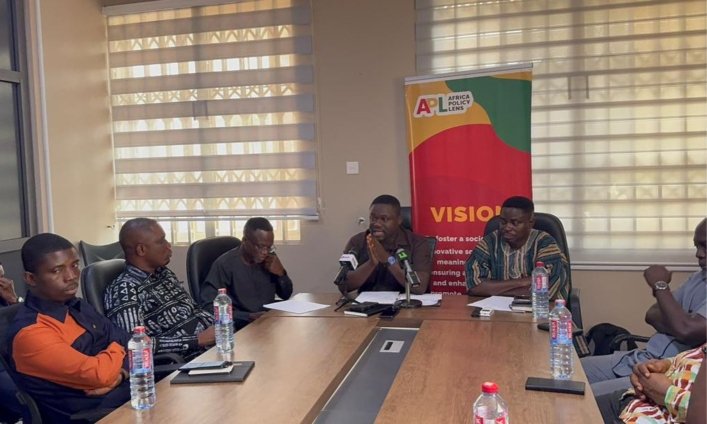
Speaking at a press conference in Accra, APL officials argued that lowering the rate, despite earlier criticisms from current government members that the 10% was insufficient, would significantly diminish Ghana’s earnings from the Ewoyaa Lithium Project.
“The best international practices dictate that royalty rates aren’t swayed by short-term market changes,” a representative of APL stated. “Even where sliding scales exist, upper limits are set anticipating future price increases. Recent dips in lithium prices don’t justify a downward revision.”
The APL cited the Ewoyaa Project’s definitive feasibility study, which estimates an all-in sustaining cost (AISC) of around $610 per tonne, based on a spodumene concentrate price of $1,587 per tonne. At this price, the company reportedly enjoys margins of approximately 62% per tonne before royalties.
Even with current market prices ranging from $1,000 to $1,195 per tonne, the project remains profitable, with margins exceeding 40% per tonne, according to the APL. They pointed to Zimbabwe, which recently introduced an additional 2% levy on lithium revenues, on top of its existing 5% royalty, as a counter-example of a nation seeking to maximize its benefits despite price declines.
The APL’s financial projections indicate that reducing the royalty rate to 5% could result in revenue losses of between $210 million and $630 million over the project’s 12-year lifespan. This calculation assumes lithium concentrate prices between $1,000 and $3,000 per tonne and an annual production of 350,000 tonnes.
“These losses represent foregone revenue with no possibility of recovery,” the group emphasized. They maintain that the 10% royalty remains economically viable and serves the national interest, even suggesting that rates as high as 30% could still allow the project to thrive.
Image Source: MYJOYONLINE