If you are a parent, teacher, or policymaker, the annual release of exam results brings a familiar sense of anxiety. For years, headlines have swung between “mass failure in mathematics” and “slight improvement,” leaving the public confused about the true state of our children’s education.
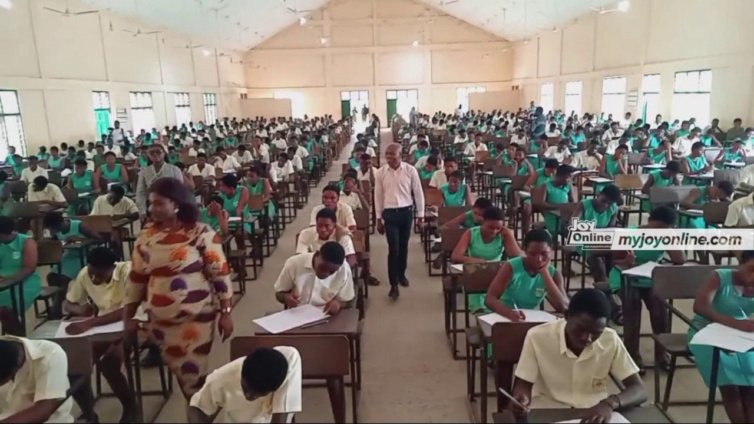
A careful analysis of performance in the Basic Education Certificate Examination (BECE) and the West African Senior School Certificate Examination (WASSCE) reveals not only a problem of poor grades but also a dangerous and persistent crack in the very foundation of mathematics learning, a direct threat to Ghana’s future.
Two Different Exams, One Alarming Story. The BECE, taken at the end of Junior High School, is a competitive examination for admission to Senior High School. A student’s grade depends on their performance relative to their peers. The WASSCE, however, is a standards-based exam that assesses whether a student has mastered the prescribed material for university entry.
BECE mathematics performance is chronically unstable. Before the pandemic, BECE mathematics pass rates typically ranged from 50% to 65%. The 2025 WASSCE provisional results have sent shockwaves through the nation, with a pass rate decline from 66.86% in 2024 to 48.73% in 2025, and a surge in outright failure.
The Seven Deadly Deficiencies include an inability to solve basic word problems, poor understanding of fractions and percentages, and difficulties with area and volume calculations. A widening regional and socioeconomic divide further deepens the crisis, with rural public schools lagging behind urban private schools in mathematics.
The Root of the Problem: A Broken Foundation. Several interconnected factors fuel this foundation gap, including teacher preparedness, fear and anxiety, resource constraints, and pedagogical failure. The Reform Imperative: Aligning Policy with Reality. Ghana’s ongoing educational reforms present a critical opportunity to address this crisis.
Conclusion: A Call for Sustained Action. The goal of our reforms cannot be merely to nudge WASSCE pass rates but to ensure that every child leaving JHS possesses genuine numeracy skills. Fixing the mathematics pipeline is the most critical investment we can make in Ghana’s future.
Image Source: MYJOYONLINE