FIFA Reverses World Cup Water Bottle Policy as Extreme Heat Threatens Fan Safety
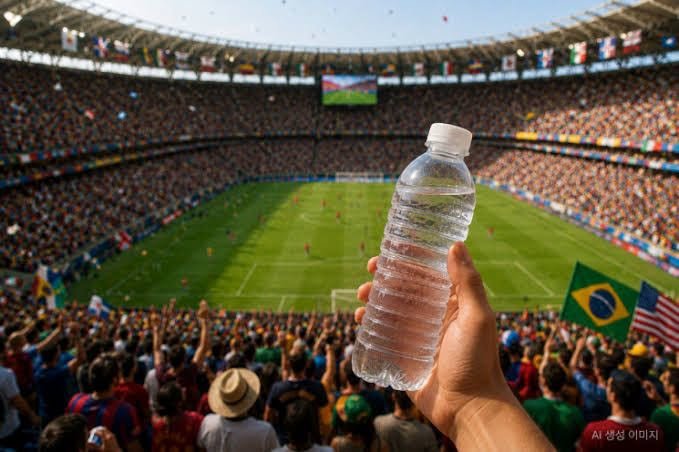
FIFA has reversed its decision to bar World Cup spectators from bringing refillable water bottles into stadiums, following sharp criticism from fan organisations, climate scientists, and political leaders who warned the original restriction endangered public health as extreme summer heat looms over the tournament.
The governing body announced the policy reversal on Friday after an internal document issued earlier in the week had explicitly banned reusable water bottles from venues across the United States and Canada. Under the newly amended guidelines, spectators may carry one factory-sealed disposable plastic bottle up to 20 ounces — approximately 590 millilitres — into matches. Hard-sided reusable containers remain prohibited.
A Policy Shaped by Pressure
The original restriction drew immediate backlash from supporter groups and international politicians alike. The English fan organisation Free Lions labelled the move the latest in a series of financial manoeuvres by FIFA, noting the irony of promoting hydration breaks for players while limiting affordable water access for spectators. “The immediate thought from supporters is this is just the latest money grab,” the group said in a statement.
United Kingdom Prime Minister Keir Starmer called the original decision “wrong,” adding that it was “about making money.” New York Mayor Zohran Mamdani, who has championed equitable pricing in his city, actively campaigned against the restrictions. “No one should have to fear being priced out of being hydrated, especially fans who are often waiting for hours before a game in extreme heat,” Mamdani said after the reversal.
Climate Scientists Sound the Alarm
The controversy is grounded in genuine public health concern. Meteorologists have warned that the tournament schedule, running from June 11 to July 19, coincides with peak summer heat across North America. Temperatures are projected to exceed 90 degrees Fahrenheit in multiple host cities.
A report by the World Weather Attribution research group estimated that 26 of 104 matches will likely be played in conditions where the Wet Bulb Global Temperature exceeds 26 degrees Celsius. High humidity could push the heat index past 100 degrees in cities like Miami and Houston.
“In a major sports tournament, there’ll be lots of walking around the city for fans,” said Theodore Keeping, a climate scientist at Imperial College London. “There needs to be some way in which fans can get water that is not really expensive, because some people simply will make the choice not to buy water, and that puts fans at a high level of risk.”
African Fans Face Compounded Burdens
The policy carries particular significance for supporters travelling from the African continent. A record ten African nations — including Ghana, Senegal, Ivory Coast, Morocco, and South Africa — have qualified for the expanded tournament.
These fans already face formidable financial barriers. Category 3 group stage tickets have risen from $69 at previous tournaments to as much as $265. Rising flight costs, expensive internal transit between distant host cities, and visa requirements compound the burden. Fans from Ghana and other West African nations have reported visa denials and logistical hurdles at embassies.
Ghana’s campaign begins on June 17 against Panama in Toronto, followed by matches against England and Croatia. For the thousands of continental fans and diaspora members gathering to support the Black Stars, the ability to carry personal water is a vital safety measure rather than a convenience.
Mexico Left in Limbo
The amended policy applies explicitly to venues in the United States and Canada. FIFA has not issued a corresponding clarification for Mexican host cities like Monterrey, where summer temperatures regularly exceed 110 degrees Fahrenheit. The omission leaves thousands of travelling fans uncertain about local stadium rules as the opening match approaches.
FIFA maintains that it will deploy misting stations, fans, hydration stations, and cooling tents throughout the tournament footprint. Whether these measures prove sufficient across vastly different climate zones will remain under intense scrutiny until the final whistle.
Image Source: MYJOYONLINE