Ghana's Soils Threatened by Illegal Mining and Pollution
Ghanaian experts are urgently calling for enhanced environmental protection to preserve the nation’s soils, warning that ongoing degradation threatens food security, public health, and sustainable urban growth.
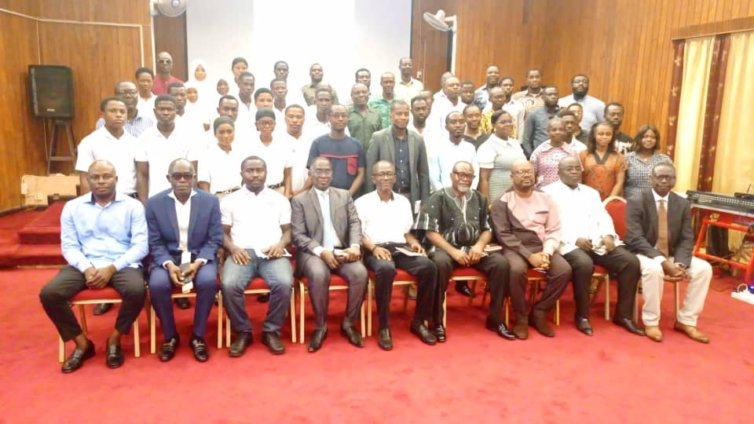
The plea was made during the 2025 World Soil Day celebration at the Soil Research Institute of the Council for Scientific and Industrial Research (CSIR-SRI). The event highlighted increasing pressures on Ghana’s land resources stemming from illegal mining, pollution, and the overuse of chemical fertilisers.
Prof. Vincent K. Avornyo, a Lecturer at the University for Development Studies (UDS), emphasized the critical importance of soil, ranking it second only to water as a vital natural resource. “Soil is the foundation of our existence, and it’s unfortunate that we’ve not given it the attention it deserves,” he stated. “When the soil dies, human beings will also die or become sick.”
He explained that healthy soil is essential for crop growth and directly impacts the quality of food and water consumed. Prof. Avornyo cautioned that contaminated soil inevitably leads to health problems. “Everything humans eat comes from the soil. If it is polluted, it affects the food chain and ultimately human health. The soil is a living entity, and it is our responsibility to protect it,” he added.
This year’s World Soil Day was observed under the theme “Healthy Soil for Healthy Cities,” underscoring the crucial role of soil conservation in rapidly expanding urban areas.
Dr. Edward Yeboah, President of the Soil Science Society of Ghana, urged policymakers and city planners to prioritize long-term soil health over immediate agricultural gains. “Soil health is about maintaining a balanced community of organisms and good physical and chemical structure to ensure long-term productivity and environmental quality,” he said.
He pointed out that urban soils provide essential ecosystem services, including food production, water filtration, carbon storage, temperature regulation, and biodiversity support. However, he noted that practices like soil sealing, pollution, and unplanned urban development are eroding these benefits.
Dr. Collins Korbla Tay, Director of the CSIR-Soil Research Institute, warned against the common misconception of soil as “dead earth” that can be exploited without consequence. “As long as we keep dumping waste on the soil without managing it properly, the soil will get contaminated. When heavy rains come, flooding becomes inevitable,” he warned.
Dr. Tay expressed concern that soil is often undervalued in many African societies, including Ghana, resulting in damaging practices, particularly in cities where concrete dominates and waste management is inadequate. “In the past, cities had open lands set aside for agriculture and green spaces. Today, everything is concretised, leaving the soil no room to breathe and perform its natural functions,” he observed.
The event drew together researchers, students, local government officials, and environmental NGOs, all united in their call for sustainable agricultural practices, pollution reduction, and thoughtful urban planning. Participants collectively agreed that protecting Ghana’s soil is not merely an environmental issue, but a fundamental national development priority vital for building healthy cities, resilient communities, and a sustainable future.
Image Source: MYJOYONLINE