Parliament has been urged to swiftly intervene in the rising number of school dropouts and truancy cases affecting children in northern Ghana. Africa Education Watch (Eduwatch) raised the alarm, citing economic pressures as a major contributing factor.
According to Eduwatch, over 3,500 children have abandoned their education in 2025 alone, across the Northern, Savannah, North East, Upper East, and Upper West Regions. The education policy think tank’s call for action follows a comprehensive census conducted in 20 districts of northern Ghana, aimed at providing data-driven insights for policy formulation and targeted interventions.
The survey revealed a disproportionate number of boys are among the out-of-school children, with particularly high rates recorded in Chereponi, Nanumba South, Tatale Sanguli, and Bawku West districts.
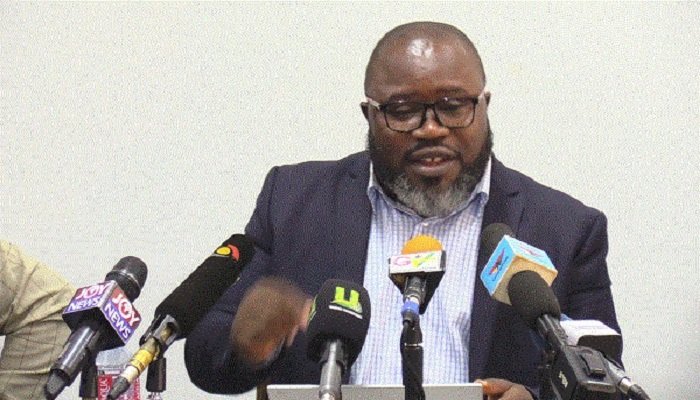
Speaking on Channel One, Executive Secretary of Africa Education Watch, Kofi Asare, explained that economic activities such as illegal mining (galamsey), betting, and child labour are significantly driving children away from the classroom. “The drivers are mainly economic – child labour, galamsey, betting and related activities – which are usually male-dominated,” he stated.
Mr. Asare emphasized the need for stronger government action, despite acknowledging the crucial role of parental responsibility. He pointed out instances where schools are accessible, yet parents fail to prioritize their children’s enrollment and consistent attendance.
“There are communities where schools are available, yet parents are not mindful of ensuring that their children are enrolled and retained in school. This is where Parliament must come in,” he said. Eduwatch plans to engage with Parliament early next year to discuss the census findings and propose solutions.
Referencing Article 38(2) of the 1992 Constitution, which guarantees Free Compulsory Basic Education (FCUBE), Mr. Asare expressed concern over Ghana’s slow pace in enforcing the compulsory aspect of basic education. He dismissed the notion that full enforcement should be delayed until all educational infrastructure gaps are addressed.
“No country in the world has complete adequacy in educational inputs, but it has to start from somewhere,” Mr. Asare added, stressing the importance of initiating enforcement despite existing challenges.
Image Source: MYJOYONLINE