Christmas Celebrations Bring Joy to Ghana
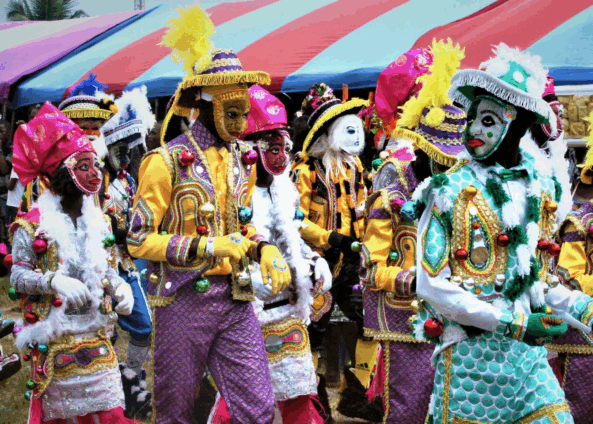
Christmas is undeniably in the air, transforming Ghana in its own unique way. While discussions around the West African Senior School Certificate Examination (WASSCE) results and the recent funeral of Highlife legend Lumba may continue, the nation is fully embracing the festive season.
In Ghana, where ‘winter’ is characterised by the arrival of alasan fruits and the dusty harmattan winds, the spirit of Christmas has descended with the vibrancy of a beloved auntie who arrives early to a party and immediately starts rearranging things. Decorations are already adorning homes, both inside and out, and gift hampers – earned or otherwise – are finding their way into living rooms. Businesses are making the most of the season, mounting inflatable Santas that seem to quietly perspire under the tropical sun.
The influx of Diasporans, affectionately dubbed ‘December Burghers,’ is noticeable, but Ghanaians have become adept at carrying on with their lives amidst the bustle. “The cedi is holding its own a bit better now,” observed seasoned trader, Ama Serwaa, reflecting a growing confidence in the local currency. The season also brings its own challenges, particularly for those navigating complicated relationships, with whispers of side-chicks and others seeking… ‘the luckiest’ status.
Markets are bustling with activity, although some Ghanaians jokingly believe half the crowd consists of their departed relatives adding to the chaos. Following a somewhat underwhelming and repetitive Black Friday experience, shoppers are now focused on the familiar December race – balancing budgets, searching for the perfect gifts, and questioning why prices seem as optimistic as bye-election promises.
Office parties are being finalised, and schools are preparing their end-of-year performances, showcasing exuberant choreography and young ‘shepherds’ who enthusiastically recite King Paluta’s latest hits. An interesting observation is the dedication to rehearsals. “You haven’t heard a choir until you’ve heard a Ghanaian choir preparing for Christmas,” commented Michael Asante, a local music teacher.
But beyond the superficial glitter and activity, a deeper current is stirring. Christmas is historically a season for reflection, and for many Ghanaians, this rings true. As the year ends, financial realities set in – school fees loom in January, and the question of rent advances weighs heavily on minds. The thoughtful calmness of harmattan mornings naturally lends itself to introspection, and the general exhaustion of the year prompts a necessary pause to ask important questions.
“Who do I need to reconnect with? Who deserves a phone call, a visit, or even an apology?” These are the sentiments being echoed across the country as Christmas nears. The day itself almost becomes secondary to the innate human desire to gather, reminisce, and renew bonds.
Christmas, as we know it, didn’t emerge spontaneously. It thrived through a remarkably effective marketing strategy centuries ago. Missionaries spread Christianity along with the blending of their holy day with existing winter celebrations. European traditions – feasting, singing, exchanging gifts, and storytelling – found a welcome home under the Christmas umbrella. This ability to absorb rather than replace existing practices contributed to the unusually inclusive nature of the festival.
Then came commerce. Businesses skillfully capitalised on the timing, near the end of the fiscal year. December became prime time for sales, even encouraging the playful label of ‘Detty December’. Advertising campaigns intensified, and the colours red and green became synonymous with revenue. Today, malls are filled with the sounds of donkomi speakers urging consumers to buy gifts. Yet, despite the commercial pressures, Ghanaians continue to discern the true heart of the season.
Because the essence of a memorable Bronya truly lies beyond shopping sprees. It’s the emotional connections—the unadulterated joy, heartfelt gratitude, and even the bittersweet memories that create a lasting impression. It’s the laughter shared during a jollof dinner or the reconciliation after a long-standing disagreement. It’s a simple act of kindness delivered at precisely the moment it’s needed.
And then there’s the sensory magic: a favourite Christmas song, the aroma of well-spiced goat light soup wafting from a kitchen. These details become deeply etched in memory, ready to be relived with startling clarity decades later.
Every memorable Christmas seems to have a unique twist—a surprise visitor, a newly acquired home appliance, or even an unexpected power outage (dumsor) that forces families to gather outside, share stories, and laugh under the stars. These deviations from routine are the memories we cherish and recount: “That was the year Daavi showed everyone how to make dzemklpe.” “The year the car broke down on the way to church, but we pushed it together.” “The year Santa arrived on an okada!”
Tradition provides the foundation, the recognisable rituals that frame each year: attending church, connecting with family, preparing beloved dishes, and hanging familiar lights. These recurring practices provide context, making the subtle differences stand out. Whether it was Bronya Apata, Knock-out Crackers or Kakamotobi, the catchy ‘24th’ song by Kaakyire Kwame Appiah, Picadilly biscuits or Danish cookies, these were the little things that made Christmas, Christmas.
But perhaps the most crucial element is simply being present—mentally engaged, not just physically there. When conversations end, work pauses, and the daily grind momentarily subsides, moments begin to solidify. These are the Decembers that linger long after the calendar turns.
So, yes, Christmas is commercial, historical, cultural, spiritual, lively, busy, and perhaps sometimes extravagant. Yet, it remains a profoundly human experience, woven together with memories, meaning, and shared traditions—a time when people, often imperfectly, strive to create space for one another in their hearts.
Afehyia pa!
Image Source: MYJOYONLINE