Cholera Death Toll in Northeast Nigeria Climbs to 90 as Outbreak Accelerates

At least 90 people have died and more than 12,000 others have been infected in a fast-spreading cholera outbreak in Nigeria’s conflict-ravaged Borno state, the United Nations said on Thursday, as humanitarian agencies race to contain a crisis that shows little sign of abating.
The death toll has risen sharply from 74 in recent weeks, according to the UN Office for the Coordination of Humanitarian Affairs (OCHA), underscoring the speed at which the waterborne disease is spreading through communities already weakened by years of insurgency and displacement.
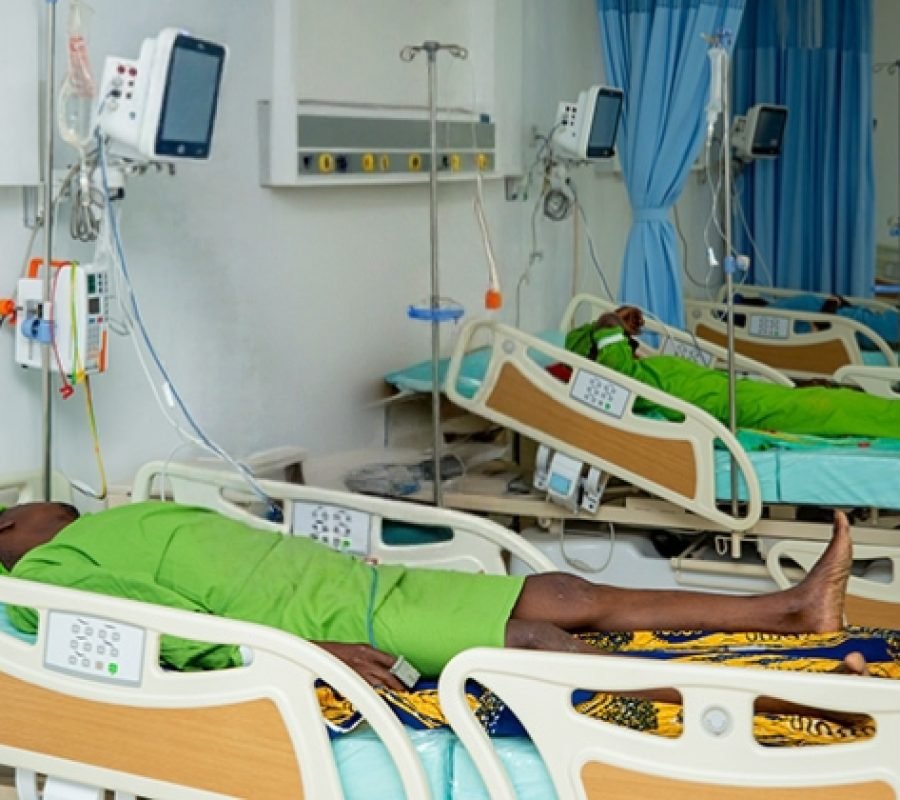
The outbreak, which began in early May, has overwhelmed health facilities in the northeast Nigerian state, where the Boko Haram insurgency has destroyed much of the water and sanitation infrastructure that would normally serve as a first line of defence against such diseases. The combination of crowded displacement camps, limited access to clean water, and inadequate sanitation has created ideal conditions for cholera to thrive.
Emergency Funding and Scaling Up
OCHA has injected $4 million from its managed emergency funds to bolster the response, channeling resources toward treatment centres, disease surveillance systems, and clean-water distribution. But officials warned that significantly more funding and logistical support will be needed to prevent the outbreak from escalating further.
“Additional resources are urgently required to strengthen prevention, treatment capacity, and water-sanitation infrastructure,” OCHA said in its latest situation report. The agency has called on international donors to step up contributions, noting that the rainy season could worsen conditions and accelerate transmission.
The crisis in Borno is a stark reminder of how Nigeria continues to grapple with deep structural challenges that extend far beyond its political arena. While the country’s lawmakers debate electoral reforms in Abuja, communities in the northeast face existential threats from disease, displacement, and food insecurity.
A Recurring Tragedy
Cholera outbreaks are not new to northeast Nigeria. The region has experienced repeated waves of the disease in recent years, each time exposing the same systemic failures: underfunded health systems, destroyed infrastructure, and a humanitarian response that is perpetually stretched beyond capacity.
Borno state, the epicentre of the Boko Haram insurgency that has claimed tens of thousands of lives since 2009, is home to millions of internally displaced people. Many live in camps where overcrowding and poor sanitation make disease outbreaks almost inevitable during the rainy season.
Health workers on the ground say the current outbreak is particularly concerning because of the speed at which case numbers have grown. From roughly 7,800 infections at the start of the crisis, the figure has surged past 12,000 in a matter of weeks, a trajectory that, if unchecked, could push the death toll significantly higher.
The Nigerian government has yet to issue a comprehensive public response to the latest figures. International health organisations, including Medecins Sans Frontieres and the World Health Organization, are supporting the response alongside local health authorities, but the scale of the crisis demands a far more coordinated and well-resourced effort than what has been mobilised so far.
Image Source: MYJOYONLINE