Chile Elects Far-Right Leader José Antonio Kast as President
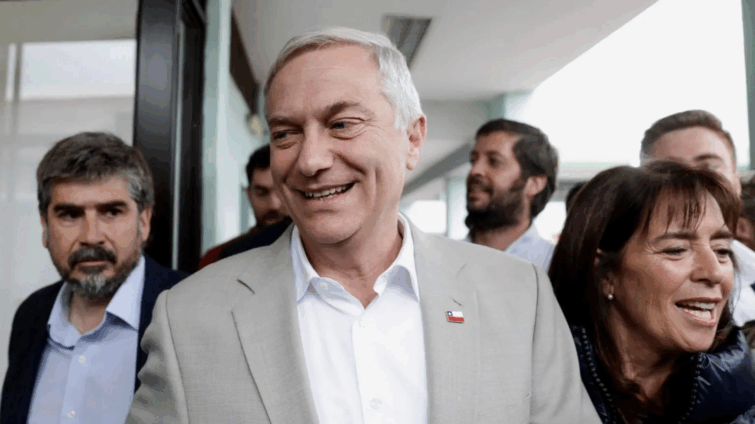
Chile has decisively elected José Antonio Kast, a far-right politician, as its next president, marking a significant shift to the right in the South American nation.
Kast secured over 58% of the vote in Sunday’s election, triumphing over Jeannette Jara of the governing left-wing coalition, the Communist Party. This win comes after two previous attempts at the presidency for Kast.
His victory represents the most substantial move towards right-wing politics in Chile since the end of Augusto Pinochet’s military dictatorship in 1990. Notably, Kast has publicly expressed admiration for the controversial former dictator. Jubilant scenes unfolded at Kast’s victory rally in Santiago, with supporters waving Chilean flags and celebrating the outcome.
“I’m happy we can recover the country’s security and patriotism,” Augustina Trancoso, a supporter wearing a red “Make Chile Great Again” cap, told JoyNews’ correspondent. Belem Valdivieso voiced similar sentiments, stating, “In Chile, you used to be able to walk the streets peacefully, lately we’ve experienced problems with insecurity. I’m hoping his promises will be kept and he’ll focus on security.”
Throughout his campaign, Kast focused on restoring order and addressing concerns about rising crime and irregular immigration. He promised tough measures, including implementing sharp spending cuts and strengthening border controls. His policies have drawn parallels to those of former US President Donald Trump, whom he considers an ally.
Kast has vowed to construct a border wall along Chile’s borders with Peru and Bolivia, establish maximum-security prisons, and initiate mass deportations, particularly targeting Venezuelan migrants. Despite Chile being considered one of the safest countries in South America, a recent increase in immigration and organised crime has fueled these anxieties.
However, critics argue that Kast has exaggerated the extent of the insecurity. Javiera Carrasco, a Santiago voter who ultimately supported Jara, expressed her concerns, saying, “I feel like a false sense of insecurity is becoming widespread. In other countries, there are much worse things happening than here.”
Recent data indicates that Chile’s murder rate is declining, and studies suggest immigrants are, on average, less likely to commit crimes. Still, the perception of insecurity resonated strongly with Kast’s voter base.
“We are transforming into Colombia, a lot of terrorism, thieves, robbery, society is very unsafe,” lamented voter Max Struber. Another voter echoed this sentiment, stating, “It may sound harsh to say it, but we need the government to continue Pinochet’s work. Human rights abuses existed, that’s true. But as a government it was good, we used to have peace and tranquility.”
The Kast family has historical ties to Pinochet’s regime; his brother served as a minister during the dictatorship, and his father was a member of the Nazi party. The Pinochet era, marked by severe human rights violations and a shift towards free-market economics, remains a deeply divisive topic in Chile.
Opponents of Kast fear a return to the country’s far-right past. “Kast’s family helped the dictator Augusto Pinochet,” Ricardo Herrera, a voter who experienced the Pinochet dictatorship firsthand, said. “It was brutal.”
Some voters, however, are sceptical about Kast’s ability to deliver on his promises. Hector Lunes remarked, “Kast says he wants to expel 360,000 undocumented migrants. He won’t be able to do that. It’s physically impossible.”
Kast’s platform also includes staunch opposition to abortion, even in cases of rape, and a reluctance towards environmental protection policies. His focus on a free-market economy and deregulation is expected to be welcomed by investors.
This election was the first in Chile to mandate voting and implement automatic registration. Some voters expressed feeling compelled to choose the “least-worst” option. “I don’t know if I’d say the lesser of two evils, but I think Chile needs a change,” Claudio Sanjuez admitted. Cintia Urrutia shared a similar view: “Both candidates were like opposite extremes.”
Kast’s win reflects a broader trend of right-wing gains in Latin America, following recent elections in Argentina, Ecuador, Costa Rica, and El Salvador. He is scheduled to be inaugurated on March 11, 2026, and has already warned undocumented immigrants to leave the country if they wish to return.
Image Source: MYJOYONLINE