Ayariga's Anti-OSP Bill Sparks Controversy Over Lack of Consultation
The Centre for Democratic Development-Ghana (CDD-Ghana) has heavily criticised the move by the Majority Leader in Parliament, Mahama Ayariga, to introduce a Private Member’s Bill seeking to scrap the Office of the Special Prosecutor (OSP).
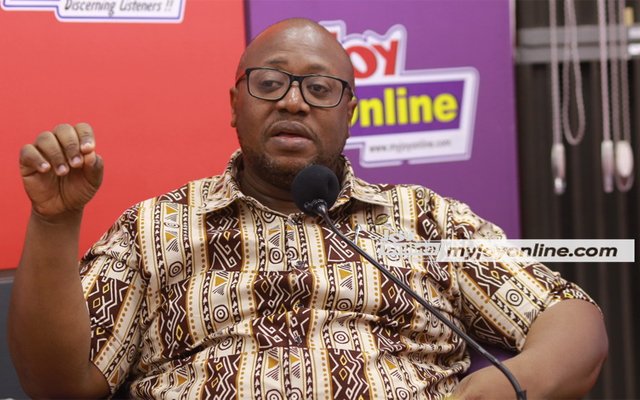
Dr. Kojo Pumpuni Asante, Director of Programmes and Policy Engagement at CDD-Ghana, described the action as “procedurally odd,” particularly given its implications for major government policy without prior consultation with the Executive branch.
Dr. Asante’s remarks, made on Joy FM’s Top Story on Thursday, December 12, came after President John Mahama requested the Majority Leader to reconsider advancing the bill.
According to Dr. Asante, the OSP was established in 2017 as a crucial measure to ensure political independence in the investigation and prosecution of corruption involving politically exposed persons (PEPs). He expressed agreement with President Mahama’s stance against abolishing the office.
The CDD-Ghana Director voiced disapproval of what he perceived as a unilateral decision by the Majority Leader to initiate the repeal process, labelling it a lapse in policy coordination. “I think it was very odd for the Majority Leader to take that position without having discussed it in cabinet, because this is basically policy-making. This is legislative making, and the leader of government has to be consulting with the executive on these matters before anything is supposed to be [sent to] Parliament,” he stated.
While acknowledging the importance of Parliamentary independence, Dr. Asante suggested a more discreet approach to handling such a sensitive matter. “I would have preferred that, you know, he (President Mahama) would have called the Majority Leader behind closed doors…” he added.
Dr. Asante dismissed the calls for abolishing the OSP, arguing they largely originate from politicians and indicate a fear of the anti-graft institution. “Again, for me, I think everybody who’s talking about scrapping the office is a politician and that, I think, is something that has to be recognised, and then something that politicians fear about this office,” he explained.
He maintained that scrapping the OSP is a disproportionate response, even if legitimate administrative concerns exist. The OSP was created to address weaknesses in existing institutions like the Attorney-General’s (AG) office, which can be compromised by the AG’s political affiliations and Cabinet role.
CDD-Ghana recommends focusing on strengthening the OSP rather than dismantling it. The establishment of the office represented a significant advancement in Ghana’s anti-corruption efforts, providing a mandate to investigate and prosecute corruption independently of the AG.
Dr. Asante highlighted key areas for improvement, including accountability regarding the supervisory board, enhancing the OSP’s communication strategy, and utilising the upcoming constitutional review process to solidify the OSP’s independence. “So I think the focus is really about strengthening the office… I think for me, there are many opportunities to try to even make this idea of having an independent public prosecutor that doses corruption stronger, so that we can deal with the challenges of political corruption,” he said.
Since its inception, the OSP has reportedly received over GH₵1.1 billion since 2018, underscoring the importance of its continued effectiveness in combating grand corruption.
Image Source: MYJOYONLINE