Ghana's Stolen Engine Parts Fuel Pollution and Health Crisis
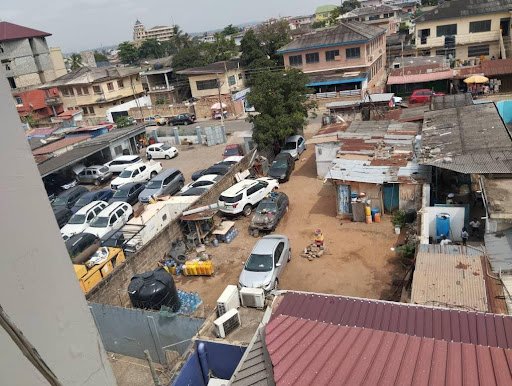
A Honda Accord owner in Accra, Isaac Peprah, is counting his losses after thieves stole the catalytic converter from his vehicle just days after purchasing it. The incident highlights a growing trend of catalytic converter thefts in Ghana, driven by the precious metals they contain and a disturbing link to the production of illicit drugs.
Peprah recounted how a group of men from a nearby mechanic shop flagged him down, claiming to have detected a strange sound from under his car. “They sounded very confident, so I honestly thought they were trying to help,” he said. They quickly gained access to the undercarriage, assuring him they were simply tightening a loose part.
Two days later, the truth emerged. “The engine roared louder than usual, fumes seeped into the cabin, and the fuel gauge dropped fast,” Peprah explained. He soon discovered he was a victim of catalytic converter theft, facing a replacement cost of nearly GH₵7,000 (US$500).
“I felt stupid. I didn’t even know what a catalytic converter was,” he admitted, a sentiment echoed by many Ghanaians unaware of the component’s value and function.
Catalytic converters, though not essential for a car to run, play a vital role in reducing harmful emissions. “They reduce harmful emissions by up to 90 percent,” stated Alex Johnson, Director of Metro Transport at the Accra Metropolitan Assembly. “When they’re cut out, the engine becomes a poison pipe.”
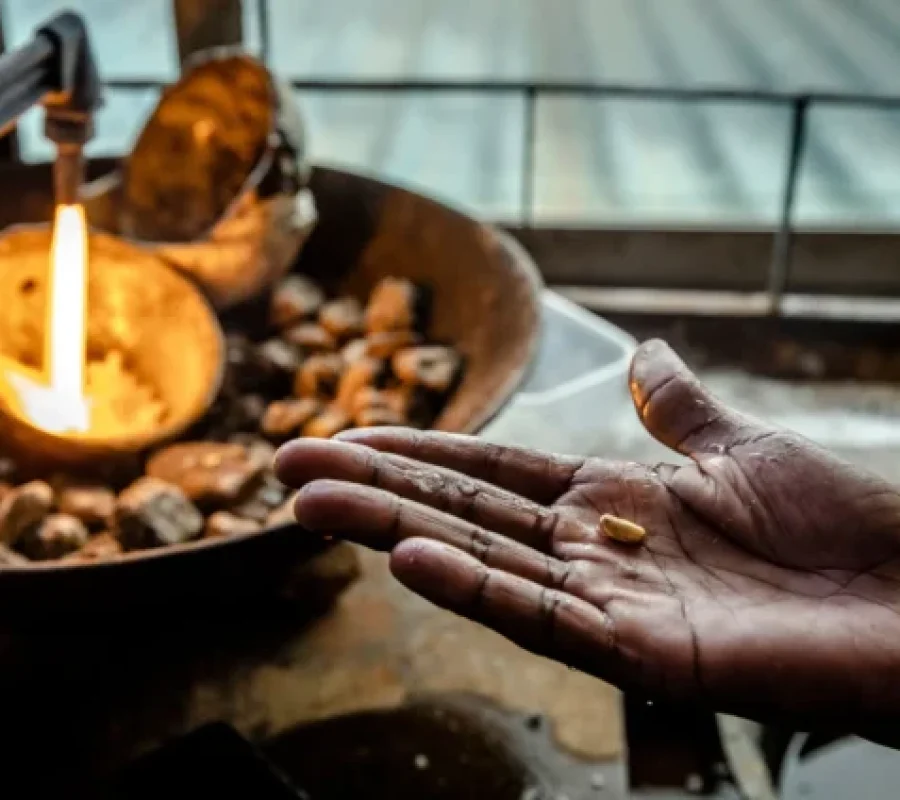
The value of these converters has skyrocketed. Workers at Autolast Ghana, a popular automotive shop, say they are now worth more than small gold bars, with some fetching over 0 and high-grade versions exceeding 8,000 on the international scrap market.
Mechanics are reporting a surge in cases. Andrews Asare Agudey, a mechanic at Dome Pillar 2, in Accra, said, “Between five and 10 clients come to me every day with the same problem.” Speaking in Twi, he added, “This drug thing is hurting our clients. It’s not just spare parts anymore.”
The thefts are not solely motivated by the scrap metal value. Investigations reveal that the powder inside catalytic converters is being used in the production of a dangerous new drug. Congolese police arrested over 100 users of “bombe,” a drug allegedly made with crushed converter powder, in 2021. South African authorities seized US$1 million worth of the powder at Johannesburg’s airport in 2022.
The increasing number of vehicles without catalytic converters is exacerbating Accra’s already severe air pollution crisis. According to the State of Global Air 2025 report, approximately 32,500 people in Ghana died prematurely in 2023 due to air pollution. Air quality in Accra routinely exceeds World Health Organisation limits by a factor of 11.
“These gases and particulate matter are killing people silently,” warned Dr Carl Stephen Osei, programme manager of the Occupational and Environmental Health Unit at the Ghana Health Service.
Ghana’s vehicle fleet is overwhelmingly old, with an average age of 18.6 years, and over 70% lacking functioning emission control systems. The government banned the importation of vehicles over 10 years old in 2020, but enforcement remains a challenge. The recently introduced Emissions Levy Act also faces compliance issues due to inadequate monitoring and alleged corruption.
Experts urge Ghanaians to be vigilant, checking for catalytic converters before purchasing vehicles and reporting any suspicious activity. “Without strict enforcement and regular inspection, the levy becomes just another payment, not a tool to reduce harmful emissions,” noted Godwin Kafui Ayeto, a lecturer in automobile engineering at KNUST.
This story was a collaboration with New Narratives as part of the Clean Air Reporting Project. Funding was provided by the Clean Air Fund which had no say in the story’s content.
Image Source: MYJOYONLINE
New Posts



Advertisement
Trending