Canada's US Ambassador to Resign Before Trade Talks
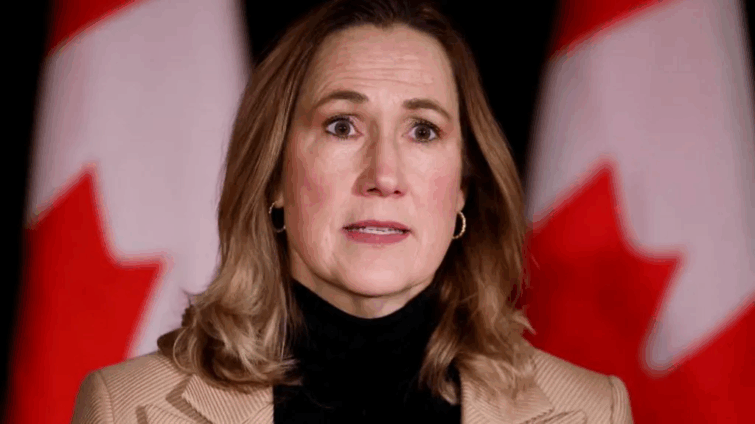
Canada’s Ambassador to Washington, Kirsten Hillman, has announced her resignation, effective in the new year. This departure comes at a critical moment as trade discussions between Canada and the United States remain stalled.
Hillman revealed her decision in a post on X (formerly Twitter) late Monday, stating that while there’s “never a perfect time” to step down, she feels grateful for the opportunity to have served during a period of significant change in the Canada-US relationship.
Appointed Ambassador in March 2020, Hillman previously played a pivotal role in the renegotiation of the Canada-United States-Mexico Agreement (CUSMA) in 2017. Now, that same agreement is undergoing a mandatory review, with former President Donald Trump hinting at the possibility of letting it lapse.
In her post, Hillman indicated she will remain available to support Canada’s negotiating team through the coming months. “While there will never be a perfect time to leave, this is the right time to put a team in place that will see the CUSMA review through to its conclusion,” she explained.
Praised by officials from both countries, Hillman is recognized as a skilled trade lawyer and seasoned diplomat. United States Trade Representative Jamieson Greer described her as “a class act,” adding, “She’s a good actor” and does not anticipate her exit disrupting current talks.
Former Canadian Prime Minister Justin Trudeau lauded Hillman as “a real patriot who has served Canadians proudly,” acknowledging her contributions to resolving trade disputes and bolstering the Canadian economy.
Hillman confirmed in an interview with CTV on Monday that the decision to resign was her own, stating, “It’s time for me to start a new chapter.” Speculation is mounting that Mark Wiseman, a financier and a close associate of Bank of Canada Governor Mark Carney, is being considered as her replacement.
Throughout her tenure, Hillman navigated complex challenges, including the COVID-19 pandemic and the securing of the release of Canadians Michael Kovrig and Michael Spavor, who were detained in China.
More recently, she was central to trade negotiations with the US, which became strained after President Trump imposed tariffs on Canadian metals, lumber, and automobiles—part of a wider strategy he claims will increase tax revenue and encourage domestic investment. These tariffs impacted multiple countries, but Canada faced particular scrutiny.
Trade discussions came to a halt in late October after Trump expressed anger over an anti-tariff advertisement commissioned by the province of Ontario and broadcast in the US. While most goods are currently exempt under CUSMA, Trump previously threatened a broad 35% tariff on all goods.
The CUSMA review is currently underway, involving public hearings and consultations with stakeholders. Canada and Mexico have both expressed a desire to maintain the existing trade agreement, a sentiment echoed by US businesses during December hearings. However, President Trump remains open to allowing CUSMA to expire and potentially renegotiating a new deal with both countries.
Image Source: MYJOYONLINE