Boko Haram's Quest for Peace: Reality or Deception?
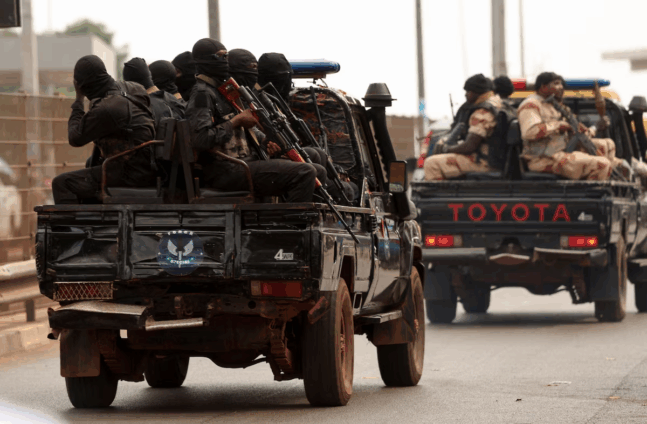
A 2012 overture for dialogue by Boko Haram raises critical questions about the group’s intentions, according to an analytical report by Emmanuel A. Sowatey, then with an international organisation in Nigeria.
The report, reflecting on the situation in November 2012, assesses whether the willingness to negotiate signaled a genuine path to conflict resolution or a strategic move to bolster the group’s strength. It highlights the complex interplay of security, human rights, and socioeconomic factors driving the insurgency.
Boko Haram, responsible for an estimated 2,000-3,000 deaths at the time, presented a list of potential mediators including General Muhammadu Buhari, Dr. Shettima Monguno, Senator Bukar Ibrahim, Ambassador Gaji Galtimari, and Aisha Alkali Wakil, along with her husband. The inclusion of a woman, Aisha Wakil, was particularly noteworthy, given the traditionally patriarchal structure of extremist groups.
“The nomination list…raises the possibility—not certainty—of ideological fractures or the emergence of a less doctrinaire faction within the group,” the report states. However, it also acknowledges the possibility that the move was a tactic to buy time and regroup amidst military pressure.
The analysis points to deep divisions within Nigerian public opinion regarding negotiations, with some advocating for any non-military solution and others fearing it would embolden the group and set a dangerous precedent. A key challenge identified is balancing the need for justice and accountability with the pragmatic considerations of amnesty.
The report warns against heavy-handed security responses, citing concerns from Amnesty International and the Nigerian Senate about abuses by the Joint Task Force (JTF). It argues that such practices can inadvertently strengthen insurgent narratives and increase local support. “Excessive use of force and human rights violations will exacerbate the crisis,” the report emphasizes.
Strengthening civil society, media engagement, and cross-border cooperation are identified as crucial components for achieving sustainable peace. The Cameroon–Nigeria Mixed Commission (CNMC) and the UN Office for West Africa (UNOWA) are highlighted as potential frameworks for collaborative security efforts.
The report concludes that a holistic, rights-respecting, and inclusive strategy is essential to address the Boko Haram crisis. It also draws a lesson for Ghana, emphasizing the importance of proactive planning in preventing similar security challenges. “One of Ghana’s greatest advantages in the fight against terrorism is time—good planning leads to good outcomes, while poor preparation can be disastrous.”
Image Source: MYJOYONLINE