Beware of Scammers in Ghana This December
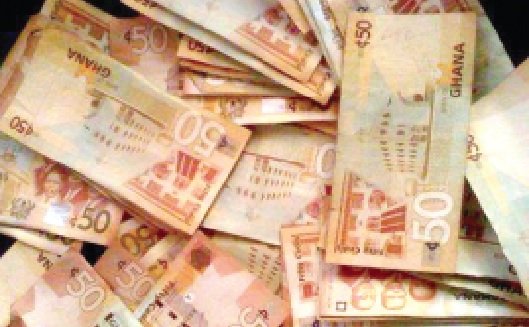
As the December festivities approach, a familiar scam is making the rounds, targeting unsuspecting Ghanaians with pleas for financial help from individuals claiming to have just arrived in the country but unable to access local currency.
These scammers often cite reasons such as delayed foreign exchange transfers, malfunctioning bank cards, or funds not yet cleared. However, technology consultant Mr. Derek Laryea warns that legitimate travellers returning home for the holidays would have prepared for such contingencies well in advance.
“Any genuine person travelling from abroad this season would have had multiple options for financing emergencies long before they travelled,” Mr. Laryea stated in an interview with The Mirror last Wednesday. He explained that those in need could easily seek assistance from family, friends, their host, hotel staff, their bank, the airline, or the numerous forex bureaux available at the Kotoka International Airport.
He cautioned the public against falling for common lines used by fraudsters, such as “My dollars haven’t cleared,” “My forex got delayed,” or “My bank card isn’t working, and I need help until I settle.” He revealed that these requests frequently originate from individuals who create fake social media profiles, quickly build relationships, and then attempt to defraud people.
According to Mr. Laryea, a key indicator of a scammer is their digital footprint. “Look for recently created social media accounts, profiles with very few or suspicious-looking photos, and individuals who consistently refuse to engage in video calls,” he advised.
The influx of Ghanaians returning home for December, a long-standing cultural tradition, has grown in recent years with the introduction of the “December in Ghana” initiative and various festive events. While this brings economic benefits and cultural vibrancy, it also creates opportunities for scammers.
Sadly, reports of individuals being defrauded after the festive season are becoming increasingly common. Victims often lose significant sums of money to scammers claiming to be stranded or having issues with goods they were expecting. Disturbingly, there have also been reports of women being deceived and impregnated by men falsely presenting themselves as returnees – often referred to as ‘borgas’.
Mr. Laryea further explained that scammers employ tactics designed to evoke an emotional response. “They create dramatic emergencies, insist on secrecy, rush the conversation, and become overly friendly very quickly,” he said. “These tactics are used to gain trust before making financial demands. Scammers rely heavily on urgency and emotional manipulation. Slow down the pace, and you will often see the deception clearly.”
To protect themselves, Mr. Laryea urges Ghanaians to adopt simple safety practices online. “Verify identities before engaging with anyone online, especially if money or personal information is involved. Limit public posts revealing your location, travel plans, or financial details. And importantly, educate family members – including parents and teenagers – who may be more vulnerable to these risks.”
“Ghana is a warm and welcoming nation, and generosity is part of our culture,” he concluded. “But generosity must never override good judgment. This festive season, protect your heart, your wallet, and your peace of mind. Being careful is not being harsh; it is being wise.”
Image Source: MYJOYONLINE