Australia Bans Kids from Social Media Apps
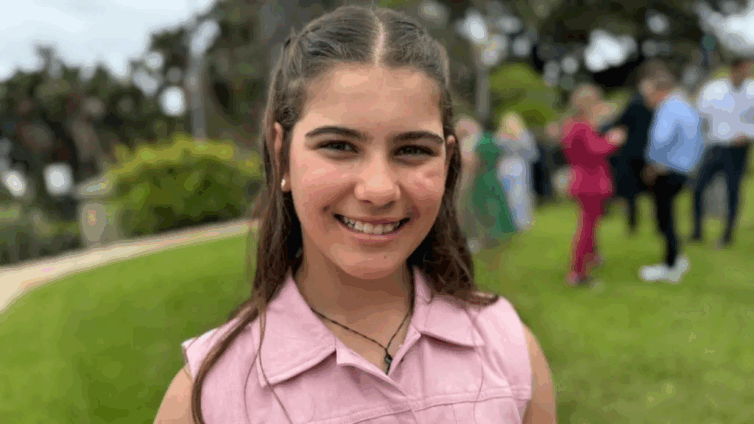
Australia has become the first country in the world to enforce a ban on social media for children under 16, with the new legislation taking effect today. Reports indicate that many teenagers woke up to find their accounts deactivated, while others are actively attempting to bypass the restrictions.
The law compels social media companies, including Meta (Facebook and Instagram), TikTok, and YouTube, to implement “reasonable steps” to prevent access for users under the age of 16. Prime Minister Anthony Albanese, a key proponent of the policy, expressed his pride in the initiative, stating, “This is a day in which my pride to be prime minister of Australia has never been greater. This is Australia showing enough is enough.”
He further added, “I think it will go down with the other great reforms that Australia has led the world on.” The ban aims to protect children from harmful content and manipulative algorithms, a concern echoed by parents and safety advocates.
Online safety regulator, Julie Inman Grant, confirmed her agency will begin assessing compliance from Thursday. “Tomorrow, I will issue information notices to the 10 major platforms and we will provide information to the public before Christmas on how these age restrictions are being implemented and whether, preliminarily, we see them working,” she said.
The Australian government has initially targeted ten major platforms, with a warning that more will be included in the enforcement. Social media firms face substantial fines – up to A$49.5 million (approximately GH₵450 million) – for serious breaches of the new regulations.
While the ban has received widespread support from parents hoping to curb cyberbullying and child exploitation, it has sparked debate among young people and some experts. Fifteen-year-old Breanna, speaking to the BBC, expressed concern about losing vital connections, saying, “My closest friend would be 30km away from me… and my next closest friend is probably over 100km. When our Snapchat is taken away, so is our communication.”
Critics argue that a complete prohibition is impractical and may drive children towards less secure online spaces. Sydney father-of-two, Ian, questioned the approach, stating, “There’s a good idea behind (the policy), but is it the right way to go about it? I’m not sure.”
The Australian government acknowledges the challenges and anticipates ongoing efforts to refine the implementation. “Success is the fact that it’s happening. Success is the fact that we’re having this discussion,” Albanese stated. Ms Inman Grant emphasized a long-term strategy, suggesting Australia could set a global precedent, similar to its past leadership in areas like tobacco packaging and gun control. “The world will follow, like nations once followed our lead on plane tobacco packaging, gun reform, water, and sun safety,” she said.
Image Source: MYJOYONLINE