Alhassan Suhuyini Slams Court Ruling on Corruption Reporting
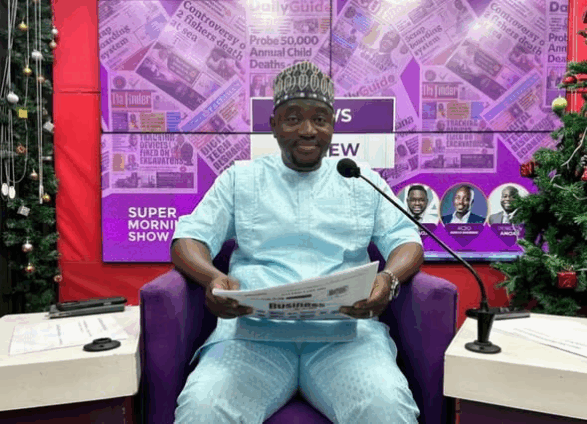
The Member of Parliament for Tamale North and Deputy Roads Minister, Alhassan Suhuyini, has vehemently criticised a recent court injunction preventing freelance investigative journalist Innocent Samuel Appiah from publishing allegations concerning private individual Cynthia Adjei.
The Accra High Court issued the injunction, effectively silencing Appiah from disseminating his investigative findings related to a privacy lawsuit filed by Adjei, who claims the journalist breached her personal rights.
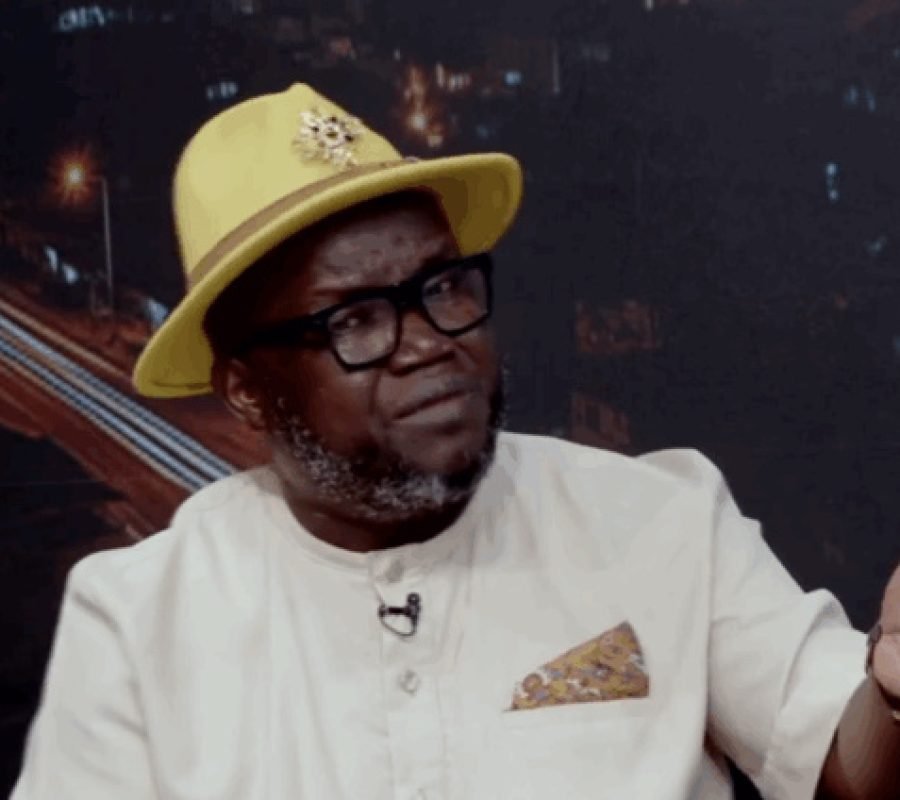
Speaking on Joy FM’s Super Morning Show, Mr. Suhuyini expressed his strong disagreement with the ruling, questioning the rationale behind it and warning of a potential chilling effect on investigative journalism in Ghana. He stated that while he hadn’t yet reviewed the full judgment, his initial reaction was one of firm opposition.
“I think some of our judges are too adventurous, and I don’t know what went into the thinking of the judge,” Suhuyini said, adding, “I totally disagree. I have not read the full ruling, that’s why I am saying I don’t know what went into the thinking of the judge. Maybe if I read the full ruling, I may come to appreciate what went into his thinking, even if I disagree with it. But I don’t think that even if I understand what went into his thinking, I will still agree with his ruling. I will not; I think that it is a no-no.”
The lawsuit stems from Adjei’s assertion that the journalist’s investigations were intrusive and violated her privacy. However, Mr. Suhuyini countered that a free press is crucial for a healthy democracy, particularly in uncovering corruption and promoting transparency.
He clarified the role of journalists, stating they are not obligated to hand over their findings to investigative bodies, but rather have a duty to publish information that informs, educates, and reforms society. “Journalists have their profession, and their duty is to publish information that they think can inform, educate, and reform society,” he explained. “So if they come across information that has corruption-related issues, their duty stops at the point of publication. They don’t have the duty – they may have the responsibility – but they don’t have the duty of handing it over to any investigative body.”
The Deputy Roads Minister emphasized that investigative bodies should independently pursue matters of public concern. He added that any sharing of information by journalists should be considered an act of patriotism, not a professional requirement. “That is the duty of the investigative bodies. The duty of the investigative body is to investigate and uncover rot,” he said. “If they fail in that duty and a journalist does that as part of his duty, his duty ends at publication. If he chooses to be responsible and share it with the investigative body, it is just an act of patriotism – just an act of citizen responsibility.”
Mr. Suhuyini also deemed the injunction itself “a needless point,” arguing it could stifle the essential work of journalists. He urged the judiciary to allow journalists to operate freely without undue interference. “Let’s leave journalists to be journalists, let’s leave our investigative bodies to be investigative bodies. Let’s encourage them to do more of the work that they are paid to do,” he concluded.
Image Source: MYJOYONLINE