Colonialism Forced African Women Into Labor Infrastructure
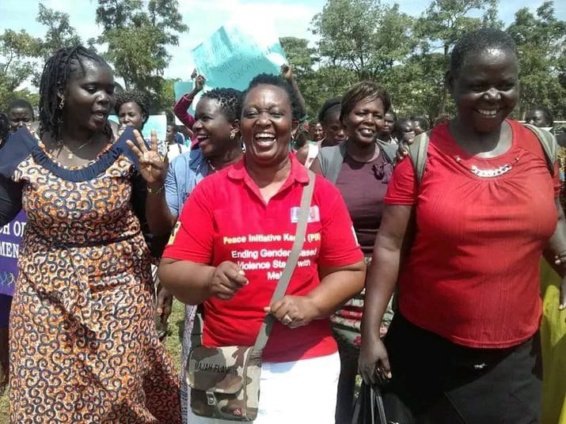
Colonialism did not merely exploit African women; it transformed them into permanent infrastructure for empire, with their bodies becoming sites for economic, social, and political systems.
African women were not only workers within colonial systems but structural components, forcibly positioned to absorb economic shock, reproduce labour, and sustain social order, according to Margaret Mbira, a human rights activist based in Kenya.
Mbira, who works with the World March of Women, highlights how African women’s labour has been historically exploited under slavery, colonialism, and contemporary capitalist systems, while remaining largely unacknowledged and uncompensated.
The discussion, organised by the Pan-African Progressive Front, centered on the matriarchal debt from the capture of female labour, with Mbira bringing a critical Pan-African and feminist perspective to the reparations discourse.
Reparations, Mbira argues, must be executed as a strategic instrument to dismantle the structural positioning of human beings as mere expendable infrastructure for global capital, requiring a systemic transformation that transitions the collective from being the engine of an empire to being the master of its own destiny.
To achieve this, the reparations framework must be anchored in radical public investment, the redistribution of land, and the establishment of sovereign economic governance, reclaiming the wealth generated by uncompensated labour and reinvesting it into the foundational systems of care and production that sustain a society.
For Pan-African organisations like PPF, Mbira urges that organisations educate African people on the importance of popular education, learning about culture and history from one another, and securing land ownership and inheritance rights for women.
The PPF, through its ongoing analysis of reparations and the matriarchal debt, sharpens a political truth long ignored: the struggle for reparations cannot be separated from the struggle for women and youth justice, with both issues remaining at the center of Pan-African discourse, organising, and mobilisation.
The Women and Youth Department, led by Richmond Amponsah, addresses how colonialism, capitalism, and patriarchy have jointly marginalised women and young people, while extracting their labour, creativity, and futures.
On the reparations front, Sumaila Mohammed leads critical interventions that frame reparations not as charity, but as justice owed, situating reparations within historical crimes against African peoples, with special attention to the unpaid and erased labour of African people.
The connection between these two departments reflects a deeper political reality: a large number of women were the backbone of African societies before, during, and after colonial conquest, with their bodies, labour, and social roles systematically exploited to sustain colonial frameworks.
Addressing Reparations and not including women and youth would mean repairing structures while leaving their foundations broken, with PPF’s work insisting that true repair must restore dignity, power, and agency to those most exploited.
In conclusion, when we talk about matriarchal debt, we look closely at how well women’s labour and efforts are recognised, and how often we solidarise with issues pertaining to women, with Mbira asking, as she left the room with a deep sense of consciousness.
African women are not infrastructure; they are architects of survival and builders of nations, with reparations needing to restore their autonomy, authority, and rightful place at the center of economic life.
Ultimately, reparations are not merely about correcting historical grievances; they are about terminating an ongoing system that views people as tools of extraction rather than sovereign economic actors, shifting the global paradigm from aid to restitution, and ending the cycle of exploitation to begin the era of absolute self-determination.
Image Source: MYJOYONLINE