Colonialism did not merely exploit African women; it transformed them into permanent infrastructure for empire, with their bodies becoming sites for economic, social, and political systems.
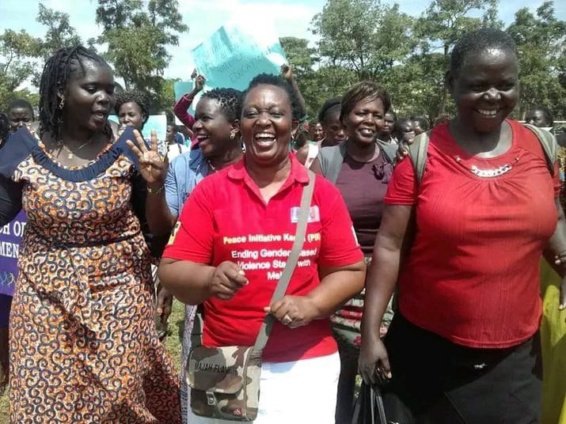
African women were not only workers within colonial systems but structural components, forcibly positioned to absorb economic shock, reproduce labour, and sustain social order.
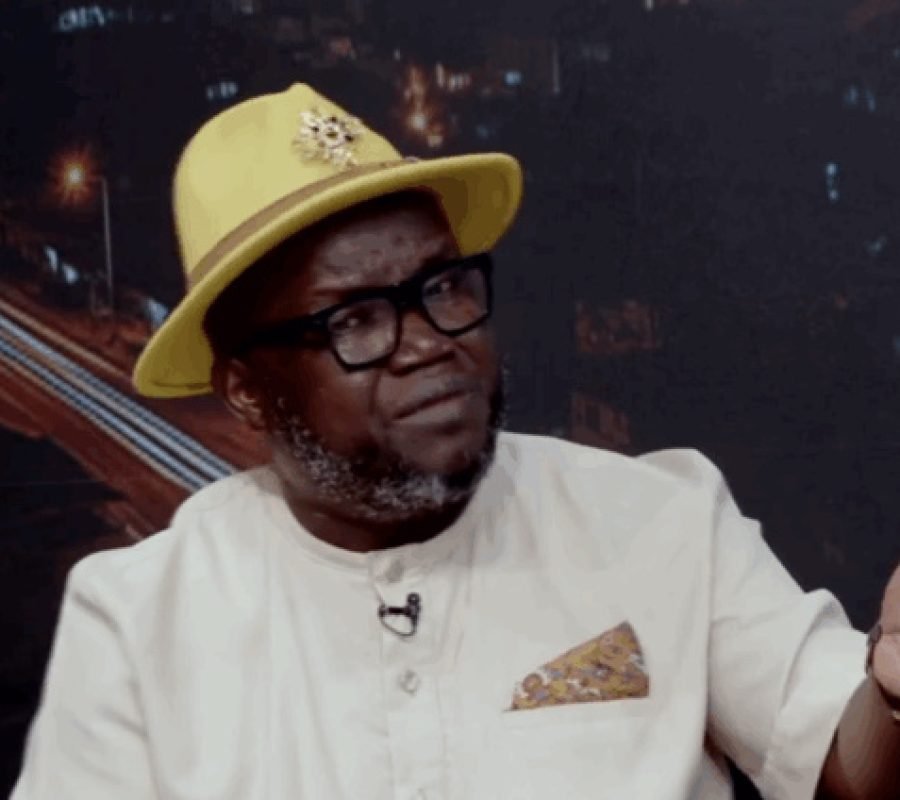
Margaret Mbira, a human rights activist, discusses the matriarchal debt from the capture of female labour, highlighting how African women’s labour has been historically exploited under slavery, colonialism, and capitalism.
The afterlife of this colonial gender economy persists in post-independence states, with women continuing to stabilise economies during crises through informal labour and community support.
Reparations must be executed to dismantle the structural positioning of human beings as mere expendable infrastructure for global capital, requiring a systemic transformation to reclaim wealth generated by uncompensated labour.
The Pan-African Progressive Front (PPF) is working towards reparations and women’s justice, with departments dedicated to Women and Youth, and Reparations, to ensure these issues remain at the center of Pan-African discourse.
Ultimately, reparations are not merely about correcting historical grievances but about terminating an ongoing system that views people as tools of extraction rather than sovereign economic actors.
Image Source: MYJOYONLINE