How Soil, Space, and Sea Ecosystems Interact
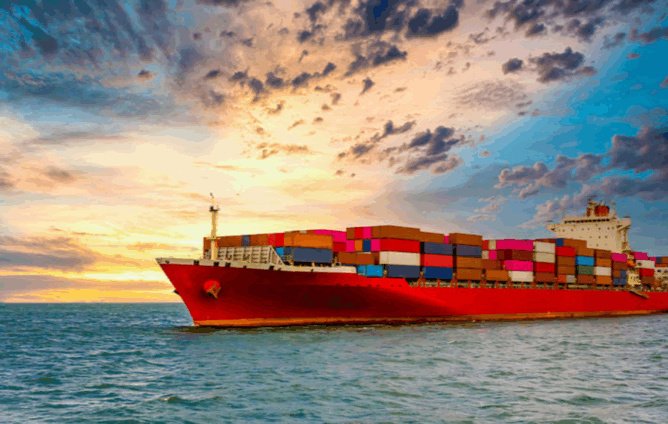
Africa’s next wealth frontier will be driven by what the ocean can yield, not only as a shipping lane, but as an engine of minerals, energy, medicine, climate services, and biological invention.
The industrial age rose on the back of minerals dug from the ground, and the digital age accelerated through capabilities harvested from space. However, the next age will be driven by the ocean’s potential, which remains largely unexplored.
The ocean is the last great frontier of unknown value, with its mapping, biology, mineral systems, and deep ecology remaining largely unexplored. A widely cited scientific reality is that only a minority of the seabed has been comprehensively mapped at high resolution.
One of the clearest “known unknowns” is the potential for seabed minerals. Polymetallic nodules, cobalt-rich crusts, and seafloor massive sulfides are not speculative myths, but documented geological realities. The full scale, the economically recoverable portion, and the long-term ecological costs and governance structures required to extract them responsibly remain uncertain.
The ocean’s biological and biochemical potential may be even more disruptive. Marine organisms survive pressures, temperatures, and chemical environments that would kill most terrestrial life, and their survival mechanisms are biochemical libraries that can translate into new enzymes for industry, new compounds for pharmaceuticals, and new genetic insights.
Then there is energy, with wave power, tidal power, offshore wind integration, ocean thermal energy conversion, and even salt-gradient energy all representing underexploited systems. African ports can evolve from container nodes into climate-finance and ecosystem-service hubs, turning coastlines into national balance-sheet assets rather than unmanaged edges.
The economic tragedy is not that Africa lacks ocean assets, but that it often lacks an integrated intelligence architecture for converting ocean complexity into sovereign wealth without ecological collapse. The Visionary Prompt Framework (VPF) becomes practical in this context, reintroducing what modern automation left behind by structuring intelligence as plural.
VPF’s Natural Intelligence Chamber forces maritime planning to start with the ocean as a system that self-organises, making port development accountable to tidal flows, sediment dynamics, mangrove nurseries, coral protection, and long-horizon climate risk. VPF’s Indigenous and Ancestral Intelligence Chamber restores long-memory datasets, with coastal elders and fishing communities becoming sources of time-series knowledge.
When VPF integrates these with Artificial Intelligence and Human operational intelligence, a new capability emerges. Ghana, Nigeria, South Africa, Cameroon, and other African maritime states can build ocean intelligence stacks that combine satellite sensing with community-grounded validation, ecological modelling with cultural constraints, and industrial ambition with long-term stewardship.
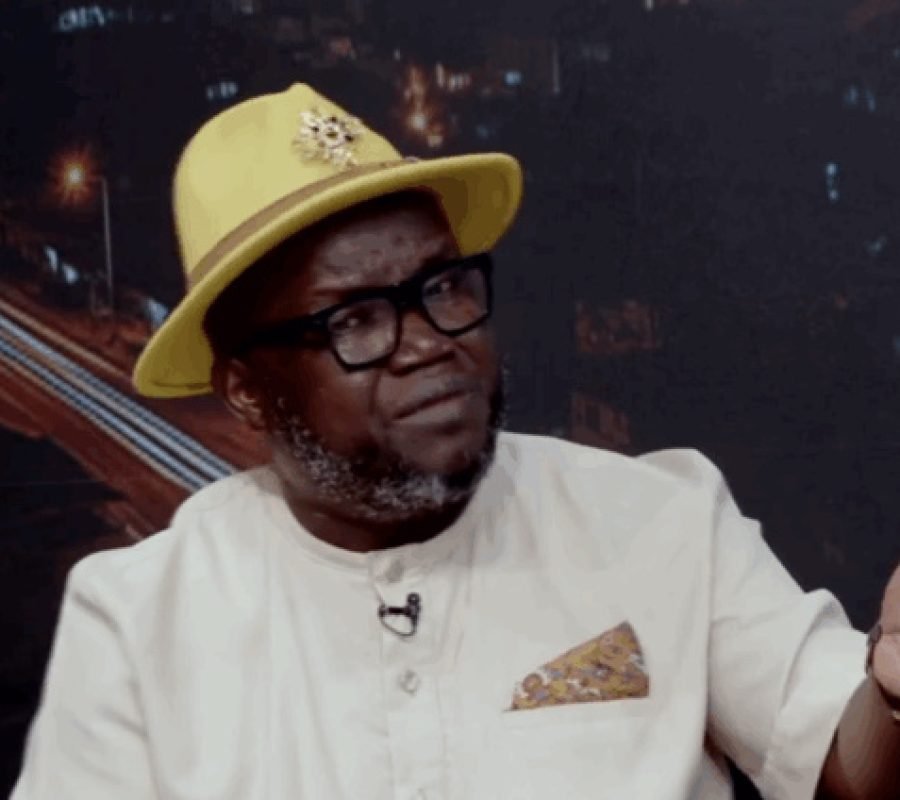
Dr David King Boison, a Maritime and Port Expert, pioneering AI strategist, educator, and creator of the Visionary Prompt Framework (VPF), driving Africa’s transformation in the Fourth and Fifth Industrial Revolutions, can be contacted via email at kingdavboison@gmail.com, on cell phone: +233 20 769 6296.
Image Source: MYJOYONLINE