Africa's Downstream Sector Emerges as Next Big Investment Opportunity
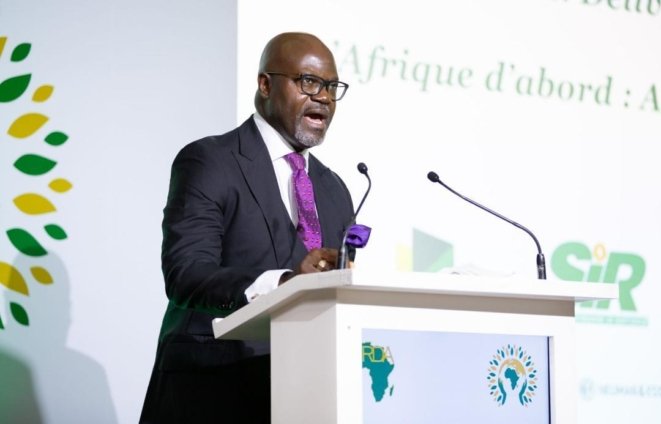
Africa’s downstream energy sector is poised for significant growth, but attracting the necessary investment requires a shift from perceived potential to demonstrable predictability, according to the African Refiners and Distributors Association (ARDA).
With population growth, increasing industrialisation, and rapid urbanisation driving unprecedented demand for fuel and Liquefied Petroleum Gas (LPG), the continent presents a massive opportunity. However, ARDA argues that regulatory inconsistencies, infrastructure deficits, and financing challenges continue to deter investors.
“Investors do not chase potential – they chase predictability,” states Anibor Kragha, Executive Secretary of ARDA. The association is spearheading efforts to build a modern and coherent ecosystem for the downstream industry, focusing on structured, transparent, and compliant projects.
By 2050, it is projected that one in four people globally will reside in Africa. Meeting the energy needs of this expanding population will be crucial for economic prosperity. Currently, Africa consumes approximately 1.8 million barrels of crude oil per day, a figure expected to rise to 4.5 million by 2050. Despite growing upstream production, downstream investment has remained stagnant, resulting in a costly reliance on imported refined products.
OPEC estimates that over $100 billion in refining investment will be needed across Africa between now and 2050 to address the burgeoning demand for petroleum products.
A key obstacle to investment is the “bankability gap” – the inability of projects to meet the stringent requirements of global investors. These investors seek clarity in feedstock and offtake arrangements, stable regulations, enforceable contracts, and robust financial modelling.
“Investors want clarity, not chaos,” Kragha explained. “They expect realistic timelines, professional project preparation and ESG compliance.”
Fuel specifications also pose a significant barrier. Currently, 46 of Africa’s 54 countries maintain their own national standards, leading to 12 different gasoline grades and 11 diesel grades with varying sulphur levels. Upgrading refineries to meet cleaner fuel standards would require an estimated $16 billion, unlocking regional trade and economies of scale.
Infrastructure deficiencies further exacerbate the problem. A 2024 whitepaper by CITAC and Puma Energy highlights issues with port depth, berth congestion, inadequate storage capacity, and overburdened road and pipeline networks, adding $20–30 per tonne to fuel costs.
The expansion of refining capacity, including the Dangote refinery, is a positive step, but insufficient to close the supply gap and deliver cleaner fuels at scale. Efficient fuel transportation across the continent, particularly to inland areas and the mining sector, is also critical.
Beyond traditional fuels, ARDA identifies clean cooking as a massive untapped market. Over one billion Africans still rely on biomass for cooking, a practice with significant health and environmental consequences. The growing demand for LPG presents a substantial investment opportunity.
ARDA’s blueprint for attracting investment focuses on five strategic priorities: harmonising fuel specifications, rebuilding infrastructure, embedding regulatory discipline, delivering clean cooking solutions, and building a pipeline of bankable projects.
The association is actively promoting the adoption of low-sulphur AFRI standards, advocating for infrastructure upgrades, and fostering transparent regulatory frameworks. It is also driving the ARDA-GLPGP initiative, a $1 billion LPG Fund aimed at financing viable LPG projects.
Through thematic workgroups and training programs at its Human Capital Centre-of-Excellence in Abidjan, Côte d’Ivoire, ARDA is building capacity and fostering a skilled workforce to support the industry’s growth.
“Africa’s downstream sector is one of the world’s last large-scale, high-growth energy investment frontiers,” Kragha concluded. “But capital will only flow where discipline is demonstrated, and that discipline is precisely what ARDA is building.”
Image Source: MYJOYONLINE
New Posts



Advertisement
Trending