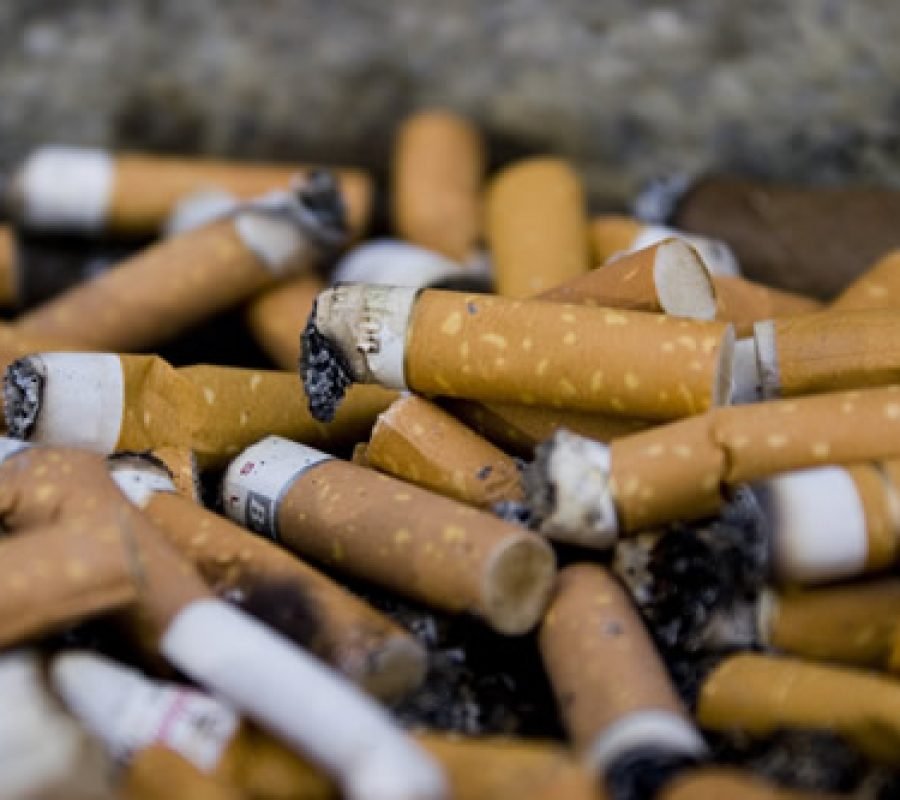
Ghana Advances Public Health Through Harm Reduction Efforts
Ghana stands at a crucial juncture in its public health policy, with the ongoing review of the Public Health Act presenting a significant opportunity. Policymakers are being urged to recognise vaping products and tobacco-free oral nicotine pouches, not merely as a health concern, but as a potential economic driver for the nation.
Advocates of Tobacco Harm Reduction (THR) argue that these alternatives offer adult smokers less harmful options than traditional cigarettes. The United Kingdom, for instance, officially acknowledges vaping and nicotine pouches as lower-risk alternatives, integrating them into its Stop Smoking Services.
Globally, countries are witnessing the impact of THR. Norway, according to a UK Parliament report (2023), has seen a dramatic drop in smoking rates – down to 7% – alongside increased use of safer oral nicotine products like snus. Sweden, highlighted in the Global State of Tobacco Harm Reduction (GSTHR) report (2023), is on track to becoming the world’s first “smoke-free” nation thanks to the normalisation of snus. New Zealand’s integration of vaping into its tobacco control strategy has also led to a rapid decline in smoking, with rates falling to around 6.8% in 2022 (New Zealand Ministry of Health, 2022).
These international examples suggest that a regulated THR market can deliver both public health benefits and economic gains. For Ghana, facing challenges with youth unemployment and the need for economic diversification, this could translate into investment, job creation, and increased revenue.
Currently, the lack of clear regulations surrounding vaping and nicotine pouches creates uncertainty. This discourages investment from responsible businesses and allows an illicit trade to flourish, potentially exposing consumers to dangerous, substandard products and depriving the government of much-needed tax revenue.
Formal recognition within the Public Health Act would establish a clear regulatory framework, attracting investors and fostering a safe market. This would allow young entrepreneurs to develop distribution networks and retail outlets, creating employment opportunities and increasing access to quality-assured products.
The public health benefits are substantial. Research from Public Health England and the Royal College of Physicians indicates that vaping is approximately 95% less harmful than smoking (UK Government Report). Incorporating these alternatives into Ghana’s public health strategy could accelerate the reduction of smoking prevalence and alleviate the burden on healthcare resources.
Beyond taxation, a THR market could stimulate local manufacturing of accessories, packaging, and distribution services, strengthening value chains and enhancing economic resilience.
However, any recognition must be coupled with robust regulations regarding marketing, sales, and distribution to prevent access by minors and ensure products meet safety standards. This balanced approach has proven successful in other nations.
As Parliament revisits the Public Health Act, stakeholders are calling for the inclusion of vaping and tobacco-free oral nicotine pouches. Bismark Peter, Founding member of the Institute for Liberty and Policy Innovation (ILAPI), believes this demonstrates Ghana’s commitment to evidence-based policymaking and economic growth.
“By recognising these products within a clear regulatory framework, Ghana can position itself as a leader in West Africa, embracing innovation to address public health challenges and drive economic transformation,” Peter stated.
Ultimately, a forward-looking Public Health Act that incorporates THR principles can pave the way for healthier communities, thriving businesses, and a more diversified Ghanaian economy.
Image Source: MYJOYONLINE