Waste Pipeline from North to South Halted
Fashion in Ghana is increasingly becoming a stark reminder of global inequalities, as the country grapples with the influx of discarded clothing from wealthier nations.
Thousands of bales of second-hand clothes arrive at Ghana’s ports weekly. While some are usable, a significant portion is damaged, stained, or simply unwearable, effectively turning donations into waste.
This troubling reality was brought into sharp focus during the recent YouthOvaFashionWaste webinars, which exposed how overproduction in the Global North creates environmental and social burdens for countries like Ghana.
A key takeaway from the webinars, as noted by participants, was the assertion: “Ghana did not create the fast fashion problem, but we are paying for it.” This is vividly apparent at markets like Kantamanto, where traders struggle to sell even half of what they purchase.
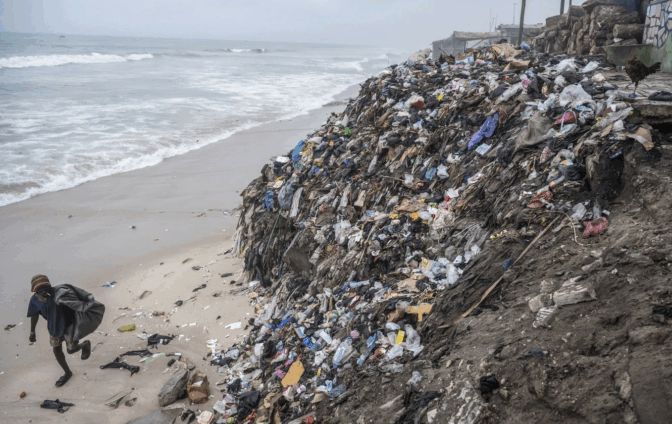
The unsold garments often end up polluting gutters, being burnt in open spaces, or adding to the already overflowing landfills. This isn’t merely a market issue; it’s a growing national environmental crisis.
During the rainy season, our drainage systems become severely clogged, not only by plastic waste but also by textile scraps washed away from the markets. This exacerbates flooding and poses public health risks.
The webinars also highlighted the human cost of this waste. Many young Ghanaians rely on the second-hand clothing trade for their livelihoods, engaging in sorting, repair, and resale – a form of circular economy often unrecognized.
However, these individuals are vulnerable, facing financial losses when bales contain predominantly unusable items. They are, in effect, bearing the brunt of a problem they did not create.
Fortunately, the discussions extended beyond the challenges, showcasing potential solutions. Policy changes in exporting countries are beginning to hold brands accountable for the entire lifecycle of their products.
Strengthening these policies could significantly reduce the volume of low-quality garments shipped to Ghana, as brands would face consequences for waste dumping.
Domestic solutions were also emphasized, including investment in textile recycling technology, support for young designers utilizing deadstock fabrics, and improved data collection on textile waste to inform evidence-based policies.
A collaborative approach is crucial. Government agencies must tighten regulations on imports to prevent Ghana from becoming a dumping ground. Importers and traders require protection from exploitative practices.
Sustainable fashion education should be integrated into school curricula and community programs. And as consumers, we must all critically evaluate our purchasing habits and the longevity of the clothes we buy.
A vibrant movement of Ghanaian youth is already taking action. Some are launching upcycling brands, transforming old clothes into new creations. Others are teaching repair skills to communities, reducing textile waste at the source.
Innovative individuals are even exploring the use of textile waste as raw material for art, furniture, and insulation. These initiatives, highlighted during the webinars, demonstrate that viable solutions are emerging.
The overarching message from the webinars was clear: sustainable fashion in Ghana isn’t about rejecting second-hand clothing, but about demanding fairness and accountability from the global fashion system.
It’s about recognizing the value of those working in our markets, empowering young creatives, and acknowledging that every discarded item has a destination – a destination that too often is Ghana.
With investment in recycling infrastructure, stricter import controls, support for youth innovation, and a push for global accountability, Ghana can transform this crisis into an opportunity.
We can build a fashion system that empowers communities, protects our environment, and showcases the creativity Ghana is renowned for.
The webinars were a call to action, changing my perspective on personal responsibility. Sustainable fashion isn’t a distant ideal; it begins with conscious choices and collective effort.
Ghana deserves better than being the world’s waste bin. Through awareness, ambition, and courage, we can forge a future where our relationship with fashion is defined by purpose, not waste.
This article was written by Abigail Appoh, a third-place winner in the YouthOvaFashionWaste Webinar and Digital Contest, organized by the Ghana Youth Environmental Movement (GYEM) with support from the Pulitzer Center.
Image Source: MYJOYONLINE