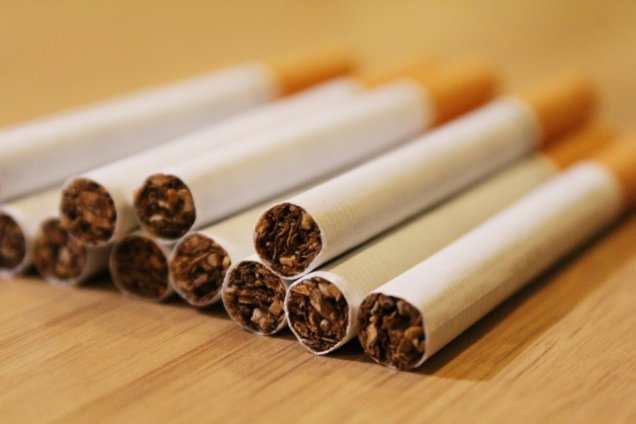
Ghana’s public health sector is poised for a significant shift, with Tobacco Harm Reduction (THR) emerging as a potential strategy to lessen the impact of smoking on the nation’s health. THR focuses on providing adults who smoke with less harmful alternatives to traditional cigarettes.
The concept builds on established harm reduction principles already used in Ghana to address issues like HIV-AIDS and substance abuse. According to a 2023 report in the New England Journal of Medicine, eliminating combustion – the burning of tobacco – drastically reduces exposure to harmful chemicals.
Further bolstering this evidence, Nature Medicine (2024) found that individuals using non-combustible nicotine products exhibited significantly lower levels of harmful biomarkers compared to those who continued to smoke cigarettes. The Royal College of Physicians (2023) also emphasized that nicotine itself isn’t the primary driver of smoking-related diseases, and regulated alternatives could complement existing cessation efforts.
Dr. John Tengey, a Medical Epidemiologist and Public Health Advocate, believes Ghana is well-positioned to benefit from this approach. “While complete cessation is always the goal, global evidence suggests that switching to scientifically validated alternatives can meaningfully reduce risk for adult smokers who aren’t ready or able to quit,” he stated.
Research published in BMJ Global Health (2022) and The Lancet Public Health (2023) underscores the crucial role of education in THR. Informed consumers, aware of the differences between combustible and non-combustible products, are better equipped to make responsible choices.
The World Health Organisation’s 2024 Global Report on Harm Reduction highlights the potential of innovation in nicotine science, provided it’s guided by transparency and ethical considerations. Experts are calling for a collaborative dialogue involving policymakers, researchers, and health educators to promote awareness.
Ghana’s opportunity lies in embracing evidence-based discussions and responsible dissemination of information. By doing so, the country can align itself with global best practices in public health and potentially reduce the burden of smoking-related illnesses through a modern, inclusive approach to harm reduction.
Dr. Tengey added, “Public health policies should be rooted in science and data. Allowing empirical evidence to guide our fight against tobacco is essential for protecting the health of Ghanaians.”
Image Source: MYJOYONLINE