Ghana Seeks Sustainable Fashion Solutions
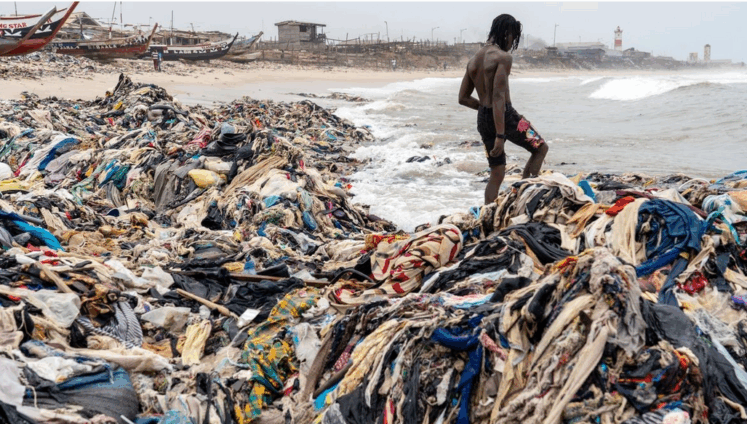
Over 4.3 million kilograms of fashion waste from the Global North arrive in Ghana every week, often disguised as charitable donations. This influx is overwhelming the country’s already strained waste management systems.
If stacked, this weekly volume of clothing would create a tower reaching the International Space Station and back almost three times. The sheer scale – approximately 115 times the maximum altitude for commercial aircraft – highlights the magnitude of the problem.
The issue isn’t new, with the importation of used clothing dating back to the mid-1900s, initially as an affordable option and a means to support Ghana’s growing economy. However, the rise of fast fashion over the past two decades has turned a manageable trade into a crisis, making Ghana the world’s largest importer of used clothing by 2021.
At Kantamanto Market, the largest secondhand clothing market in West Africa, located just 2.5 kilometres inland from the coast, traders purchase bales weighing up to 56 kilograms for between GH₵100 and GH₵300, hoping for profitable finds. But the declining quality of fast fashion is making these bets increasingly risky.
“We frequently open bales to find clothes that are simply unsellable – torn, stained, or too poorly made,” a vendor at Kantamanto Market lamented. “Sometimes, we have to discard up to half of what we buy, which is a huge loss for us.” While the secondhand trade itself once represented a sustainable circular economy, offering Ghanaians access to durable garments, the current situation is drastically different.
Despite the challenges, Ghana is demonstrating resilience and innovation. The annual Obroni Wawu October (OWO) Festival, reclaiming the term for secondhand clothes, celebrates Kantamanto’s legacy of reuse, repair, and upcycling under the theme “I Kant, U Kant, We Kant.”
Initiatives like UpcycleIt Ghana are teaching communities to transform discarded garments into art. University of Ghana Enactus projects, Refab and Upcrafts, are also engaging young people by repurposing waste into marketable items like bags and accessories.
However, these efforts are like “ladling water out of a sinking ship,” according to sustainability advocates. A fundamental shift in attitude towards secondhand garments, beginning with education in basic schools, is crucial. Young Ghanaians need to be taught the value of repurposing and the responsibility that comes with fashion consumption.
Furthermore, Ghana’s Extended Producer Responsibility (EPR) scheme needs strengthening. “Currently, there is no mandatory EPR policy for textiles, despite one being developed for plastics,” a speaker noted during the YouthOvaFashionWaste webinar. The recent recognition of Kente cloth as a geographic indication, protecting it from fast fashion exploitation, demonstrates the government’s potential to enact effective textile policies.
Ultimately, Ghana needs to move beyond being a passive recipient of the world’s fashion waste and embrace its role as a steward of its own fashion heritage. This requires a collective commitment from consumers to become invested citizens, prioritizing the dignity of the country and its environment.
Image Source: MYJOYONLINE