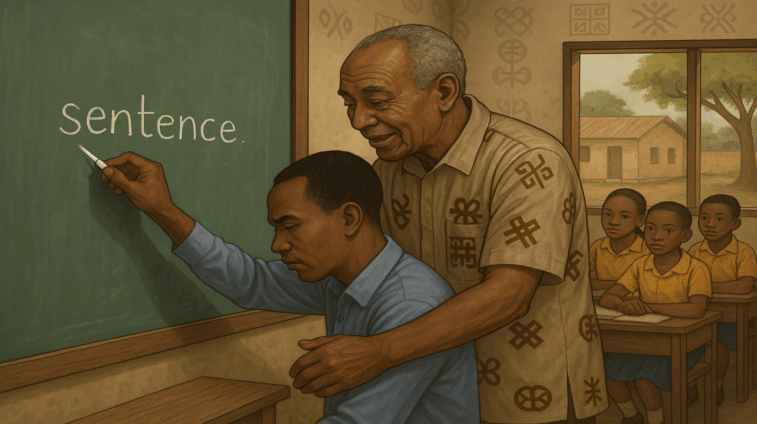
Ghana is losing a valuable resource by simply retiring its teachers at age 60, rather than tapping into their decades of experience and wisdom. This practice weakens the education system, erodes community values, and ultimately impacts family dignity.
The author argues that Ghana’s problems are not solved top-down, but by addressing the “next problem” – in this case, the underutilization of retired teachers. These educators possess a wealth of knowledge about student behaviour, effective teaching methods, and maintaining discipline.
According to data from the Ghana Statistical Service, the pupil-teacher ratio at the primary level has increased from about 33 in 2001/02 to 38 in 2022/23. UNICEF’s Innocenti research on Ghana’s National Education Assessment (NEA) revealed that in 2018, only 19% of Grade 4 pupils met proficiency in mathematics.
Retired teachers could serve as mentor-coaches for new teachers, especially in underserved areas, reading and numeracy champions, discipline advisors, and community engagement leaders. This wouldn’t require replacing existing teachers, but supplementing their efforts.
The author proposes the creation of “District Retired Teacher Mentor Pools” – a structured system for vetting, training, and deploying retired educators. This model would be affordable, culturally aligned, and focus on improving foundational skills in literacy and numeracy.
The piece also emphasizes the importance of wellness support for retired teachers, including health screenings, psychosocial support groups, pension advocacy, and community recognition. Honouring teachers, the author asserts, is essential for upholding family and community values.
Beyond mentorship, the author suggests forming “Retired Educators Advisory Councils” at the district level to provide guidance on discipline, school-community relations, and ethical practices. This would ensure their experience informs policy and practices.
Ultimately, the author contends that reinvesting in retired teachers is not just an educational imperative, but a crucial step towards preserving Ghana’s values and safeguarding its future. Ignoring their wisdom is a costly mistake that will continue to hinder national development.
Image Source: MYJOYONLINE