Morocco's Quest for First WAFCON Title: Can the Atlas Lionesses Finally Break Through?
Morocco’s Quest for First WAFCON Title: Can the Atlas Lionesses Finally Break Through?
July 6, 2026
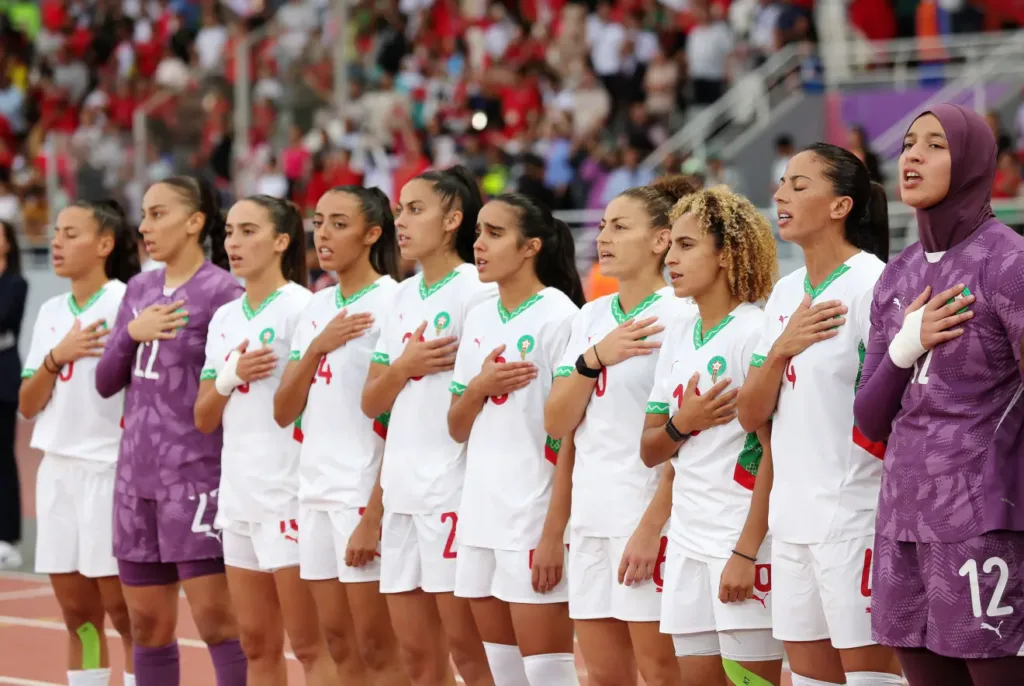
As the sun rises over the bustling streets of Rabat, a palpable sense of anticipation fills the air. Morocco’s women’s national team, the Atlas Lionesses, is poised to make history. After finishing as runners-up in the last two editions of the TotalEnergies CAF Women’s Africa Cup of Nations (2022 and 2024), the team harbors a singular, unwavering objective: to convert their silver medals into continental gold.
The 2026 tournament, which Morocco has the privilege of hosting, represents more than just another continental competition. It is an opportunity to exorcise the ghosts of past final defeats and establish a new legacy. The opening match against Kenya on July 26 will mark the beginning of a campaign that has been four years in the making.
Central to Morocco’s resurgence has been the strategic vision and financial commitment of the Royal Moroccan Football Federation (FRMF). Since hosting the 2022 edition, the federation has channeled resources into grassroots development, coaching education, and infrastructure, yielding tangible results on the pitch. The Atlas Lionesses have not only become a formidable force in Africa but have also made their mark on the global stage, notably by becoming the first Arab nation to reach the knockout stages of the FIFA Women’s World Cup in 2023.
At the helm of this transformation is head coach Jorge Vilda. Appointed in October 2023, the Spanish tactician brought with him a wealth of experience from his tenure with the Spanish women’s national team. Vilda’s philosophy emphasizes tactical discipline, a structured possession-based game, and relentless pressing. His approach has successfully blended the experience of veterans like captain Ghizlane Chebbak with the energy and potential of emerging talents.
Chebbak, now 35, remains the team’s indispensable leader. Her exceptional vision, technical mastery, and ability to dictate the tempo of matches have been vital to Morocco’s recent successes. Operating from midfield, she continues to pose a constant threat going forward, embodying the leadership and consistency that have become hallmarks of the squad. As the team prepares to defend their home turf, Chebbak’s influence will be more critical than ever.
The Atlas Lionesses’ journey to this point has been defined by consistency and growth. Their back-to-back final appearances in 2022 and 2024 were not flukes but the result of a deliberate, long-term strategy. The investment in women’s football has extended beyond the national team, fostering a broader ecosystem that has elevated the sport’s profile across Morocco.
Despite their impressive achievements, the Lionesses remain acutely aware of the one trophy that has eluded them. The heartbreak of losing in consecutive finals has served as a powerful motivator rather than a source of despair. The team enters the 2026 tournament with a clear mission: to finally overcome the final hurdle and claim their maiden WAFCON title.
Buoyed by the unwavering support of their home crowd and the confidence derived from years of progressive development, Morocco believes the time has come to turn silver into gold. The Atlas Lionesses understand that the path to victory will be challenging, with formidable opponents eager to dethrone the favorites. Yet, their preparation, unity, and relentless pursuit of excellence have instilled a belief that they are capable of achieving what has so long been just out of reach.
As the tournament draws near, the narrative is clear: Morocco is not merely participating; they are poised to make history. For a nation that has invested so deeply in the future of women’s football, the 2026 WAFCON represents a chance to validate that vision and inspire a generation. The Atlas Lionesses are ready to write the next chapter — one where they stand atop the podium as champions of Africa.
The road to the title will not be easy. Morocco finds itself in Group A alongside Kenya, Zambia, and Botswana. The opening match against Kenya, a team that has shown significant progress in recent years, will be a critical test of the Lionesses’ readiness. A strong start could set the tone for the entire tournament, while an early stumble would complicate their path to the knockout stages.
Beyond the group stage, the Lionesses know that the true measure of their success will come in the latter rounds. Potential quarter-final matchups against traditional powerhouses like Nigeria or South Africa await, demanding peak performance and tactical flexibility. Vilda’s ability to adapt his game plan to different opponents will be crucial as the competition intensifies.
We also note the broader context: the growth of women’s football across the continent. The increasing competitiveness of teams like Zambia, Botswana, and Burundi highlights the progress being made, raising the bar for established nations. For Morocco, this evolving landscape means that past success does not guarantee future victory — it demands continuous innovation and improvement.
As the countdown to July 26 continues, the training grounds of the Moroccan football federation buzz with purpose. The Lionesses leave nothing to chance, meticulously refining their set pieces, defensive shape, and attacking patterns. Every detail is scrutinized, from nutrition and recovery to mental preparation, ensuring that the team is holistically prepared for the challenges ahead.
In the end, the 2026 WAFCON is about more than just a trophy. It is a statement of intent, a declaration that Morocco is ready to take its place among the elite of African women’s football. The Atlas Lionesses have come too far to settle for anything less than the highest honor. As they step onto the pitch in late July, they carry with them the hopes of a nation and the belief that, this time, the outcome will be different.
Image Source: MYJOYONLINE