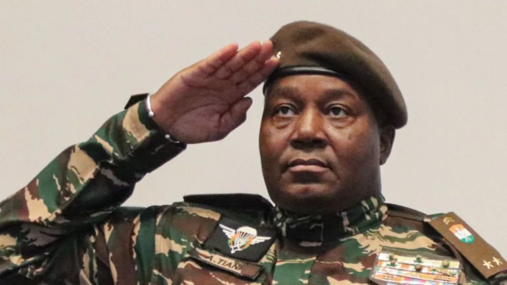
When African States walk away from the ICC, victims pay the highest price. The recent move by Niger’s military government to withdraw from the International Criminal Court (ICC) raises grave concerns about the future of justice for victims of atrocities across Africa. If enacted, Niger would become the third country to leave the Rome Statute, following Burundi and the Philippines.
This withdrawal, however, does not absolve past crimes. Under Article 127(2) of the Rome Statute, the ICC retains jurisdiction over crimes committed while a state remains a member. Yet, for future victims, the exit closes a critical avenue for accountability when national courts are unwilling or unable to act.
The article emphasizes that the ICC, despite its imperfections, remains a vital institution for victims seeking recognition and redress. It argues that African states, having engaged with the Court and borne the brunt of criticisms, are uniquely positioned to lead reform efforts rather than abandon the system.
We must remember that the true measure of any justice system is its ability to protect the powerless. As Niger and other Sahel states grapple with allegations of human rights abuses, the international community must uphold the principle that impunity breeds further violence.