Two killed, four injured in head-on collision at Abease on Takoradi highway
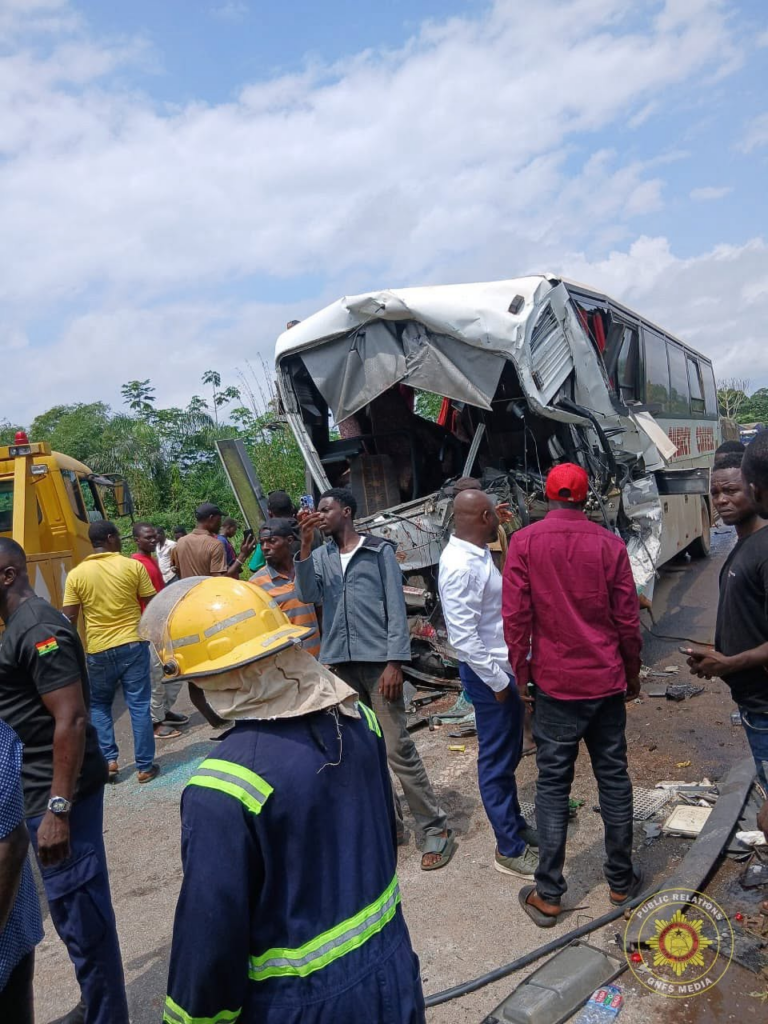
The recent head-on collision between a tipper truck and a Nigerian passenger bus at Abease on the Elubo-Takoradi Highway serves as a stark reminder of the ongoing safety challenges facing Ghana’s transportation infrastructure. The accident, which claimed two lives and left four others injured, occurred when the bus driver allegedly swerved to avoid a pothole, veering into the path of an oncoming Sinotruck (Howo).
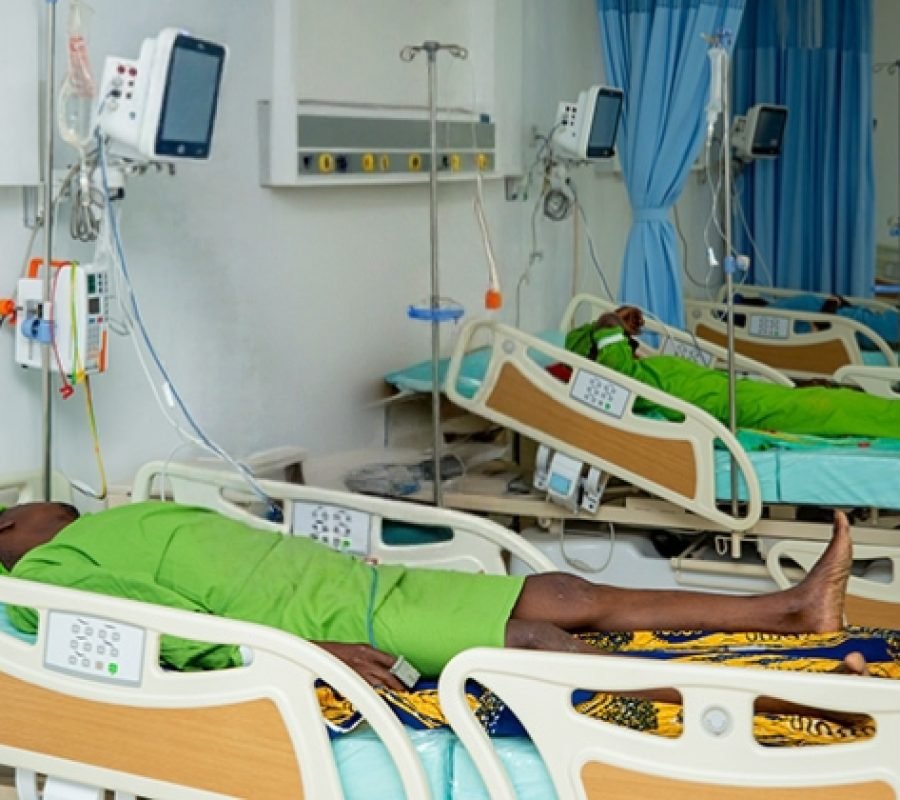
According to the Ghana National Fire Service (GNFS), emergency responders arrived at the scene within six minutes of receiving the distress call, finding six occupants trapped in the vehicles. The swift action of bystanders who rescued three victims before professional help arrived underscores the community’s role in emergency response, while the subsequent extrication and treatment of the remaining casualties at Elubo Government Hospital highlights the coordination between local responders and medical facilities.
This incident raises critical questions about road maintenance and safety standards on one of Ghana’s key transportation corridors. The Elubo-Takoradi Highway, a vital route connecting Ghana’s western region to international borders, has long been noted for its deteriorating conditions. While the immediate cause cited by authorities was avoidance of a pothole, the broader context suggests systemic issues in infrastructure upkeep that require sustained attention from both governmental authorities and regional administrators.
The tragedy also brings into focus the human cost of inadequate road safety measures. Beyond the immediate loss of life and injuries, such accidents create ripple effects through families, communities, and local economies. The deposition of the deceased at the hospital morgue and the ongoing treatment of the injured represent just the visible consequences of what could have been a preventable incident, affecting livelihoods and community well-being long after the crash site is cleared.
As Ghana continues to develop its transportation networks to support economic growth, incidents like this underscore the necessity of prioritizing maintenance alongside new construction. The response by the GNFS, including disconnecting vehicle batteries, cooling overheated engines, and clearing debris to restore traffic flow, demonstrates effective emergency protocols. However, the focus must shift toward preventive measures that address root causes rather than merely responding to symptoms, recognizing that sustainable safety improvements require addressing both infrastructure conditions and human factors.
For policymakers and infrastructure managers, this accident should catalyze a comprehensive review of safety protocols, maintenance schedules, and emergency response capabilities along major highways. Regional transportation authorities must consider implementing more rigorous inspection regimes for commercial vehicles, particularly those engaged in cross-border transport where vehicle standards may vary significantly, while also investing in road rehabilitation programs balanced with preventative maintenance strategies.
Only through such comprehensive approaches can Ghana hope to reduce the frequency of preventable tragedies on its roads and ensure safer passage for all travelers who depend on these vital transportation links for commerce, social connection, and economic opportunity, recognizing that safe transportation infrastructure is not merely a convenience but a fundamental requirement for national development and regional integration. This incident serves as a crucial reminder that investing in road safety is investing in the nation’s future prosperity and the well-being of its citizens.
Image Source: MYJOYONLINE