Takoradi MP Proposes Radical Mining Sector Reforms to Empower Communities
The Takoradi MP’s Vision for Responsible Mining in Ghana
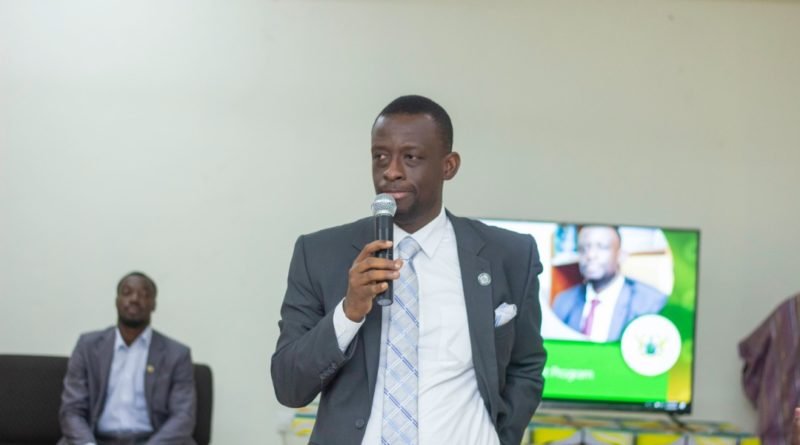
Kwabena Okyere Darko-Mensah, the Member of Parliament for Takoradi, has presented a comprehensive framework to fundamentally restructure Ghana’s mining sector, proposing policies that aim to decentralize regulation, increase community participation, and promote sustainable practices. His proposals, presented under the theme “What Reset Are You Proposing?”, address longstanding challenges in the sector including illegal mining (galamsey), environmental degradation, and inequitable benefit distribution.
At the core of the MP’s proposal is the decentralization of all mining licences to the district level, with traditional authorities playing a central role through existing District Mining Committees. This approach would ensure licence applications begin and end at the district level, improving accountability and local ownership. By empowering communities that directly experience the impacts of mining operations, the proposal seeks to create a more responsive and effective regulatory framework.
The revenue-sharing formula proposed represents a significant shift from current practices. Under the plan, 18 percent of mining proceeds would be allocated to mining communities for development and investment, two percent to district administrations, five percent for reclamation and environmental restoration, five percent for royalties, with the remaining 70 percent directed to national coffers. This allocation recognizes that mining communities have historically borne the environmental and social costs of extraction while receiving insufficient benefits in return.
To address the persistent issue of illegal mining, the MP proposes several complementary measures. A mobile licensing regime would regularize activities of rock miners, who generally cause less environmental damage than alluvial miners. Each mining licence holder would be assigned a qualified engineer to supervise operations and enforce standards relating to safety, water pollution prevention, land restoration, and proper chemical use. For alluvial miners, centralized processing centres and tailing dams would be established, with a transportation cost-sharing mechanism similar to systems used in cocoa and fuel sectors to ensure affordability.
Environmental restoration features prominently in the proposals. Local licensing committees would directly oversee reclamation and replanting programmes in partnership with local mining associations. The MP noted global evidence showing that investments in land reclamation generate significant economic returns, arguing these should be treated as viable development opportunities rather than mere expenditure.
Perhaps most ambitiously, the MP proposes restructuring GoldBod’s shareholding composition, reducing government ownership from 100 percent to 40 percent, with miners owning 25 percent, traders 20 percent, and traditional authorities 15 percent. This broader stakeholder participation aims to improve policy implementation and promote collective responsibility in tackling environmental degradation, town planning, and responsible mineral sourcing.
The move follows recent discussions about transparency in Ghana’s extractive sector, similar to conversations sparked by Ghana’s budget transparency scores which showed room for improvement in fiscal accountability. Greater openness in resource management remains crucial for ensuring that revenues from natural resources benefit all citizens equitably.
Additional measures include establishing a dedicated mining bank to provide legitimate financing and reduce dependence on illicit funding sources, converting abandoned mine sites to community mining concessions under a tributer system, redeveloping mining towns through Regional Coordinating Councils, deploying solar-powered CCTV systems for river guards, and engaging community members to protect forest reserves using carbon credit revenues.
The MP’s approach represents a fundamental shift from criminalizing mining as an economic activity to creating systems that promote responsible extraction while protecting the environment and ensuring communities derive meaningful benefits from Ghana’s mineral wealth. As he argued, only a bold restructuring of the sector can deliver a sustainable balance between economic growth, environmental protection, and job creation.
Image Source: MYJOYONLINE