Investigator Tells Court Wontumi Directed Mining Activities in Tano Nimiri Forest Reserve
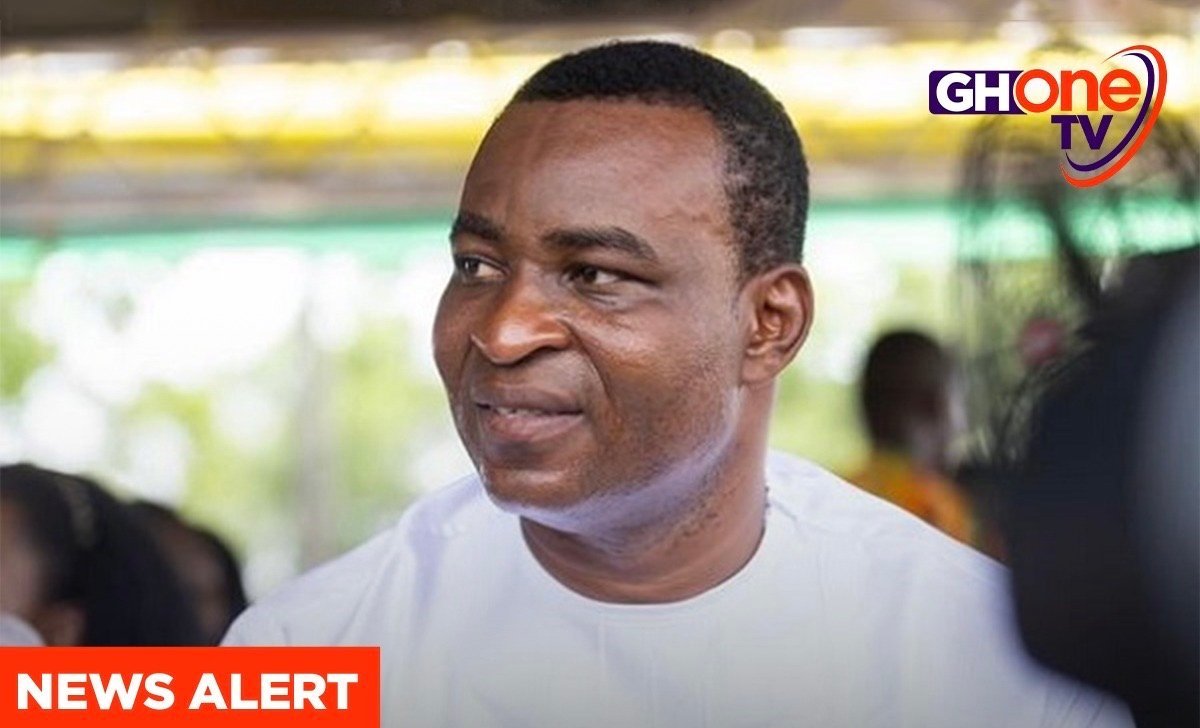
A police investigator has told an Accra High Court that his probe established that Ashanti Regional Chairman of the New Patriotic Party, Bernard Antwi Boasiako, commonly known as Chairman Wontumi, directed mining activities inside the Tano Nimiri Forest Reserve.
Chief Inspector Eugene Akpor Glover, serving as the third prosecution witness, testified that while he did not personally observe Wontumi giving mining instructions, his investigation concluded that the NPP regional chairman was behind the operations that damaged the protected forest.
The testimony is part of an ongoing criminal case in which Wontumi faces charges of aiding the unauthorised felling of trees in a forest reserve, prosecuted under Section 1(1)(a) of the Forest Protection Act, 1974 (NRCD 243), as amended by Section 1 of the Forest Protection (Amendment) Act, 2002 (Act 624). He also faces a charge under Section 20(1) of the Criminal Offences Act, 1960 (Act 29).
Also charged in the same case are Akonta Mining, a company, which faces counts of felling trees and erecting buildings in a forest reserve without written authority, and two other individuals, Kwame Antwi and Owusu Bempah, who face charges of illegal mining in the Tano Nimiri Forest Reserve. All defendants have pleaded not guilty and have been granted bail.
Defence counsel Andy Appiah-Kubi challenged the investigator’s testimony during cross-examination, pointing out that Chief Inspector Glover had never personally witnessed Wontumi directing any mining operations. The investigator conceded the point but maintained that the totality of his evidence established Wontumi’s involvement.
The case carries significant weight beyond its immediate legal implications. The Ghana Gold Board announced on the same day a GH¢35 million commitment to reclaim and restore the Tano Nimiri Forest Reserve, the very same forest at the centre of this prosecution. That reclamation project, to be executed by the Ghana Army’s Engineering Regiment in partnership with the Forestry Commission, targets the rehabilitation of 50 hectares of the more than 100 hectares devastated by illegal mining.
The juxtaposition of a sitting court case about political involvement in forest destruction and a government-funded restoration effort for the same forest highlights the complexity of Ghana’s galamsey crisis. On one hand, the state is pursuing criminal accountability through the courts. On the other, it is spending public funds to undo the environmental damage that illegal mining has caused.
Environmental advocates have long argued that meaningful progress against galamsey requires both restoration and prosecution. The Tano Nimiri Forest Reserve cases, criminal and ecological, may prove to be a test of whether Ghana can deliver on both fronts simultaneously.
The trial continues.
Image Source: STARR FM