Ghana Medical Trust Fund Reaffirms Commitment to Healthcare Access at 2026 Health Summit
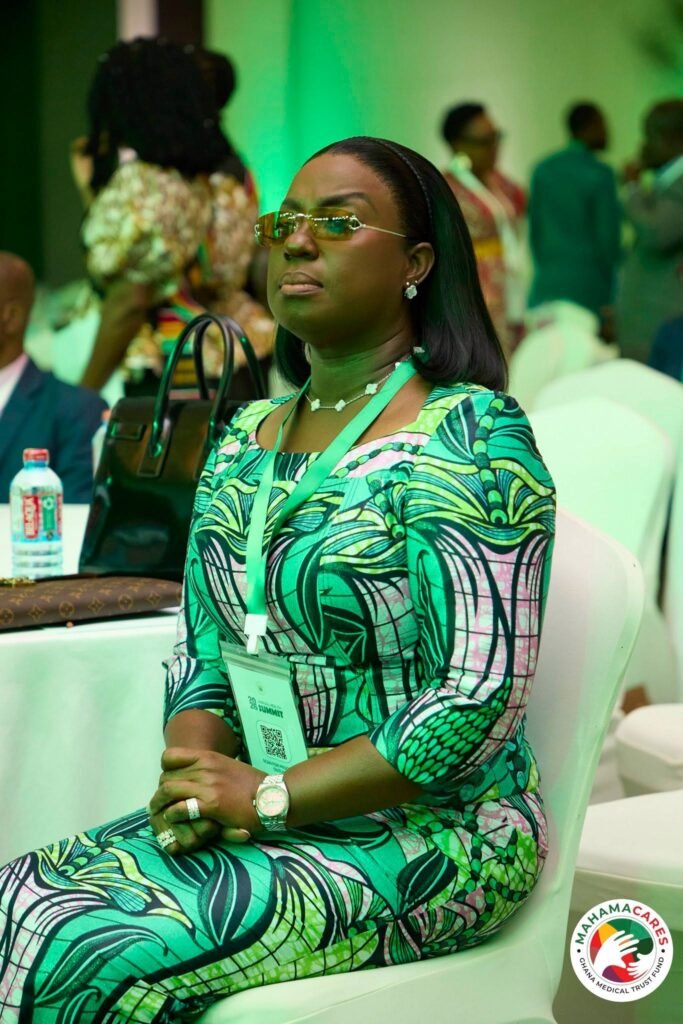
The Ghana Medical Trust Fund (GMTF) has used the Ministry of Health’s 2026 Annual Health Summit to reaffirm its central role in easing the financial burden on Ghanaians battling chronic and life-threatening illnesses, positioning itself as a critical pillar in the country’s push toward Universal Health Coverage.
Led by Administrator Adjoa Obuobia Darko-Opoku, the Fund’s delegation drew attention to what it described as a persistent gap in Ghana’s healthcare system: the cost of treatment that continues to shut vulnerable patients out of the care they need.
The summit, held in Accra under the theme “Building a Resilient Health Workforce to Accelerate the Attainment of Universal Health Coverage,” brought together health professionals, policymakers, development partners and academics to chart a path forward for the sector. The GMTF’s participation underscored a point its leadership has made repeatedly — that building hospitals and training doctors, while essential, is insufficient if patients cannot afford to walk through the doors.
The Fund argued that achieving meaningful Universal Health Coverage requires confronting the financial barriers that prevent many Ghanaians from accessing essential and life-saving treatment. For patients dealing with conditions such as cancer, kidney disease and other chronic illnesses, the cost of medication, specialist consultations and procedures can be devastating, forcing families into debt or, worse, into abandoning treatment altogether.
Since its establishment, the GMTF has channelled resources toward subsidising treatment for patients who would otherwise be unable to afford it. The Fund has also invested in specialist training, equipment procurement and the expansion of cancer treatment facilities across the country. These interventions, the Fund said, reflect a deliberate strategy to strengthen Ghana’s health sector through collaboration with healthcare professionals, institutions and communities.
The timing of the Fund’s engagement at the summit is significant. Ghana’s healthcare system continues to face pressure from a growing burden of non-communicable diseases, limited infrastructure in rural areas and a health workforce that, while improving, remains stretched thin. The Ministry of Health has acknowledged these challenges and convened the summit precisely to address workforce resilience — a concept that extends beyond headcount to include the systems and financing mechanisms that keep health workers effective and patients cared for.
Obuobia Darko-Opoku expressed confidence that sustained partnerships and targeted interventions would help build a more resilient healthcare system. The Fund’s message was clear: Universal Health Coverage is not merely an aspirational slogan but a deliverable goal, provided the financial architecture supporting it is robust enough to reach those who need it most.
The GMTF’s participation at the summit builds on the Ministry of Health’s earlier announcement that the gathering would serve as a platform for tackling workforce and coverage challenges head-on. Whether the Fund’s growing profile translates into expanded reach for Ghana’s most vulnerable patients will depend on the political will and resource commitments that follow such forums.
For now, the GMTF has made its case: healthcare access is not just about proximity to a clinic. It is about whether a patient can afford to be treated when they get there.
Image Source: MYJOYONLINE